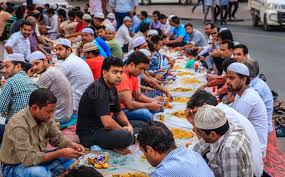
How to Arrange Bulk Ramadan Iftar Meals in Dubai Legally
Dubai’s spirit of compassion and generosity is deep-rooted in its culture which multiplies many times during the month of Ramadan. A recent report from the Islamic Affairs and Charitable Activities and Charitable Department which revealed that over 2.4 million people benefit from well-managed iftar meal distribution across the emirate during the month every year.
Around 1,900 permits had been issued to ensure safe and legal outreach programs. Whether you are a corporate donor, community group or a company planning to give back to society, arranging bulk Ramadan Iftar meals in Dubai legally demands more than good reputation, it requires legal compliance to food safety regulations, legal permits and service standards.
To understand the legal process of arranging bulk meal distribution to masses not only ensures complying to local laws but also helps to maintain food, dignity and well-managed distribution during the holy month.
Understanding Legal Process in Dubai
Dubai has strict charity regulations to protect public health. Many large-scale food preparation and meals distribution in Ramadan must follow key guidelines issued by Dubai Municipality and related charitable authorities.
In Dubai, you can’t prepare and distribute meals at random. Meals must be cooked in legally-approved kitchens and distributed through approved channels. This also applies for meals that are distributed for free, sponsored and or community funded.
Selecting a Licensed Food Provider
The safe and legal way to arrange bulk Iftar meals is by working with a legally approved catering company, food provider or a certified kitchen. These providers already follow hygiene, storage and food management regulations.
Approved vendors also have a clear understanding of the packaging standards, portion control and halal compliance. This is very important when preparing best Ramadan Iftar meals for large groups all across different locations in Dubai.
Required Permits for Distribution
If meals have been distributed outside the private property, you need to secure legal permissions. Charity meal distribution typically requires authorization and requires to be registered with Islamic Affairs and Charitable Activities (IACAD). Few meals distributions also need coordination with registered NGOs.
Labor camps, mosques and public areas have designated specific time slots and meal distribution rules. Unauthorized meal distribution may result in legal fines or meal elimination.
Meals Costing and Transparency
For meal distribution, budget planning is an important ethical and legal aspect that must be considered carefully. Many sponsors and donors seek cheap Ramadan Iftar meals in Dubai. The low cost meals should never compromise the taste, meals’ quality and food safety standards.
Legally approved providers usually offer clear breakdowns and invoices to ensure transparency for corporate organizations, donors and CSR activities.
Key Price Factors You Should Know
Pricing for bulk meals typically depends on the menu type, quantity you want and the delivery distance. Having an understanding of prices of bulk Ramadan meals in Dubai helps to avoid last minute stress.
If you are choosing basic meals with dates, rice and water, they are the most common legally-approved options for large-scale distribution.
Bulk Meals for Families
Few individuals arrange meals for their extended families or for large iftar meal gatherings. Bulk Ramadan Iftar meals are allowed if ordered from legally-approved restaurants and kitchens.
Corporate CSR and Role of NGOs
Majority of the distributions are managed through NGOs and corporate CSR programs. These companies have already got approvals, volunteers and proper logistics.
Collaborating with such approved providers ensures compliance through verified meal beneficiaries more effectively.
Labelling Standards and Meal Packaging
Meals should be packed in food-grade containers and must be clearly labeled. Keeping the right temperature is also critical, especially during the peak hours of fasting. Proper meal packaging helps prevent contamination and food spoilage and keeps food fresh before Iftar time.
Selecting a Reliable Food Partner
A good reputation always matters when it comes to choosing a food supplier, so the food provider must have a proven experience in large scale preparation and legal compliance.
Before distribution of meals, it is very important to verify the trade license, Ramadan meals distribution experience and their food safety ratings.
Distribution Timing, Coordination and Meal Delivery
Meal deliveries must be aligned with approved time slots to avoid waste, over-crowding and public safety. The majority of local authorities restrict early distribution to avoid food spoilage.
Professional food providers like Iftarmeal.com manages the meal deliveries efficiently through proper routes while complying the local guidelines and ensuring timely iftar meal distribution and delivery in Dubai.
Key Mistakes to Avoid
If the meals are distributed without permits, ignoring hygiene standards or provided through unlicensed kitchens, it may lead to serious penalties that can destroy your company reputation and trust.
Planning meals early and partnering with trusted partners eliminates key risks.
Conclusion
Bulk Ramadan Iftar meals in Dubai legally require well-thought out planning, securing regulatory approvals and choosing licensed food partners. To follow official guidelines supports donors as well as recipients while protecting the true spirit of Ramadan.
By selecting a compliant food provider and approved distribution channels, you can ensure your iftar meal sharing is meaningful, impactful and lawful.
Frequently Asked Questions
Q1. Who regulates Ramadan food distribution in Dubai?
IACAD and Dubai Municipality oversee charitable activities and food distribution in Dubai.
Q2. When should bulk Iftar meal planning be started?
Ideally, bulk meals for iftar planning must be started 3-4 weeks before Ramadan to select suppliers and get legal permits.
Q3. Can individuals cook at home and distribute meals?
No meals must be prepared in legally approved or licensed kitchens.
Q4. Is permission required to distribute Iftar meals in Dubai?
Yes, legal approvals from relevant authorities are required for public distribution.
Q5. Are corporate CSR iftar programs legally allowed?
Yes, CSR Iftar programs are allowed if they are done through approved caterers and NGOs.