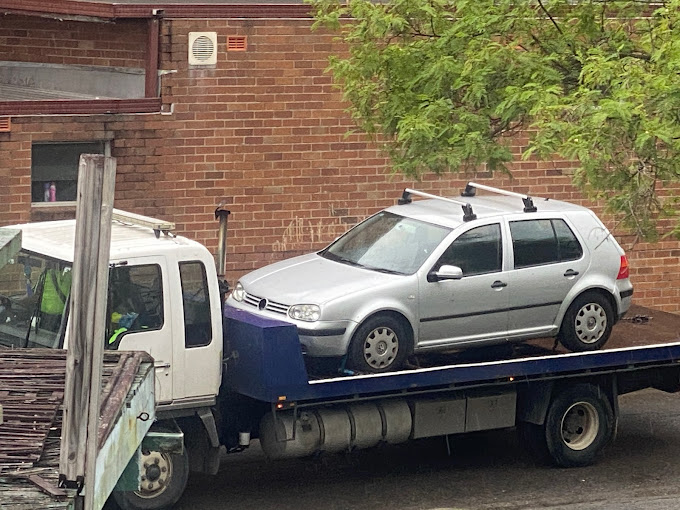
Free car removal is a service where a licensed auto wrecker collects an unwanted vehicle from your property at no cost, often providing a cash payment based on the car’s scrap metal value. In contrast, paid scrap services refer to hiring a private towing company to transport a vehicle to a disposal site, which usually incurs a fee of $100 to $300 without any reimbursement for the car itself. Understanding the difference ensures you do not pay for a service that should actually be paying you.
For Sydney residents, the choice between these two options impacts both your wallet and the local environment. With scrap metal prices in New South Wales fluctuating between $510 and $600 per tonne in 2025, an average sedan holds significant inherent value.
To help you make the most profitable decision, this guide outlines 5 key factors to consider when disposing of your vehicle.
1. Evaluate the Financial Outcome
A free car removal service provides a net positive financial return by offering “Cash for Cars” while covering all logistics. When you use a paid scrap service, you are essentially paying for transport and forfeiting the value of the raw materials, such as steel, aluminium, and copper, that make up the vehicle’s chassis and engine.
To maximize your return, consider these specific financial benchmarks:
- Scrap Value: Most 4-cylinder cars in Sydney fetch between $200 and $1,500 through removalists.
- Towing Fees: Private towing across Sydney suburbs like Blacktown or Cronulla typically starts at a base rate of $99 plus $5 per kilometre.
- Admin Costs: Professional removalists often handle the “Notice of Disposal” paperwork for free, saving you potential administrative headaches and fees.
2. Assess the Convenience and Logistics
Free car removalists specialize in the end-to-end extraction of vehicles in any condition, including those with seized engines or missing wheels. Unlike standard towing services that require the car to be “tow-ready” (accessible and rolling), specialized removal teams use tilt-tray trucks and winches to pull vehicles out of tight garages or overgrown backyards.
The process typically involves these 3 steps:
- Instant Quote: You provide the make, model, and year over the phone.
- Scheduling: You choose a time for a truck to arrive, often within 24 hours.
- Payment and Pick-up: The driver verifies your ID, provides the cash or bank transfer, and winches the car away.
3. Compare Service Features and Use Cases
Choosing the right service depends on the vehicle’s current state and your ultimate goal. If the vehicle is a “write-off” with no resale potential, a removal service is the superior choice. If the vehicle is roadworthy and simply needs to be moved to a mechanic, a traditional paid tow is more appropriate.
Table: Comparison of Disposal Methods
| Feature | Free Car Removal (e.g., Primo Car Removal) | Paid Scrap/Towing Service |
| Out-of-Pocket Cost | $0 (Free) | $100 – $350+ |
| Owner Payment | Paid up to $9,999 | No payment received |
| Condition Accepted | Smashed, rusted, or non-running | Usually requires rolling wheels |
| Paperwork Help | Included (Disposal forms) | Generally not provided |
| Best Use Case | End-of-life vehicles & junkers | Moving a car for repair/storage |
Learn more about Primo Car Removal: https://primocarremoval.com.au/
4. Consider Environmental Responsibility
Professional car removalists follow strict environmental protocols to ensure hazardous fluids do not contaminate Sydney’s soil or waterways. When a car is “scrapped” correctly, it undergoes a de-pollution process where oils, coolants, and battery acids are drained and safely recycled.
Environmental benefits include:
- Resource Recovery: Recycling one tonne of steel saves 1,100kg of iron ore and 630kg of coal.
- Fluid Management: Preventing lead-acid batteries from entering landfills protects local ecosystems.
- Part Salvage: Salvageable components like alternators and starters are refurbished, reducing the carbon footprint associated with manufacturing new parts.
5. Verify Legal and Compliance Requirements
Selling a car for scrap in New South Wales requires adherence to the Pawnbrokers and Second-hand Dealers Act. It is a legal requirement in NSW for businesses to pay via electronic transfer or cheque rather than “physical cash” for scrap metal to prevent illegal trade.
To ensure a legal transaction, follow these 4 requirements:
- Photo ID: You must provide a valid Australian Driver’s Licence or Passport.
- Ownership Proof: While a “Pink Slip” is not required for scrap, you must prove you have the right to sell the vehicle.
- Number Plate Removal: You should remove your plates and return them to Service NSW to cancel your registration and claim any “rego” refund.
- Notice of Disposal: Always submit a Notice of Disposal online immediately to ensure you are no longer liable for any future fines or tolls associated with the VIN.
Making the Final Choice
The best way to dispose of a junk car is to choose a service that offers both free towing and a fair market price for the scrap metal. While paid towing is a necessary expense for moving a functional car, it is a financial mistake for disposing of an unwanted one. By opting for a specialized removalist like Primo Car Removal, Sydney residents can clear their driveways and receive a same-day payout without any hidden fees.
Target Audience for Free Removal:
- Homeowners with “bombers” taking up garage space.
- Investors clearing out abandoned vehicles from commercial sites.
- Accident victims with vehicles deemed a “Total Loss” by insurance.
By prioritizing licensed removalists who offer transparent quotes and eco-friendly dismantling, you protect your liability and contribute to a more sustainable automotive industry in Australia.