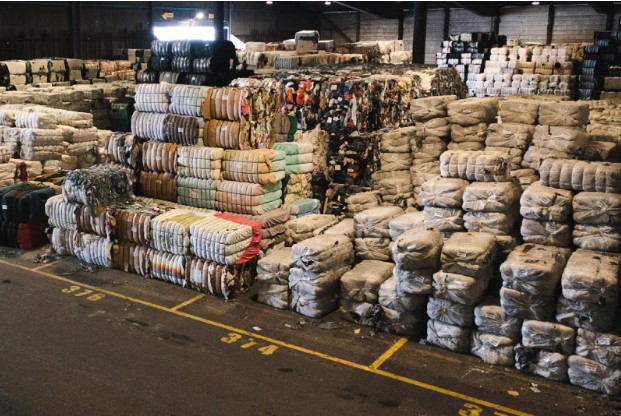
The global fashion industry continues to expand, and with it comes an increasing amount of fabric waste. People often donate or discard clothing without realising how much ends up in landfills. As environmental awareness rises, new innovations are shifting the way manufacturers, recyclers, and consumers manage garment waste. Today’s advanced technologies make it possible for textile recycling to convert old fabrics into valuable new materials rather than letting them go to waste.
Why Traditional Clothing Disposal Isn’t Sustainable
For decades, unwanted garments were thrown away or shipped overseas, where many still ended up buried or burned. This approach contributed to pollution, greenhouse gas emissions, and the depletion of natural resources. Modern recycling technology now offers a more effective path, helping industries reclaim fibre and repurpose textiles at scale.
How Textile Recycling Supports A Circular Economy
One of the biggest strengths of textile recycling is its role in promoting circularity. Instead of producing new fibres from scratch, recyclers transform old materials into usable inputs for clothing, upholstery, industrial fabrics, insulation, and more. This reduces demand for water-intensive crops like cotton and lowers reliance on fossil-fuel-based synthetic fibres.
Key Technologies Driving Textile-To-Textile Innovation
Modern recycling relies on several advanced systems that break garments down and reconstruct fibres. These technologies help ensure that recycled materials meet high-performance and quality standards.
Mechanical Recycling For Natural And Synthetic Textiles
Mechanical processes are among the most established. They involve cutting, shredding, and carding fibres until they can be spun into new yarn. This method works especially well for denim, wool, and cotton materials.
Benefits Of Mechanical Recycling
- Requires fewer chemicals
- Reduces water usage
- Maintains fibre integrity for many applications
However, mixed-fibre garments can be more challenging because separating components requires additional steps.
Chemical Recycling For High-Purity Fibre Recovery
Chemical technology has transformed how recyclers handle garments that contain blends like cotton-polyester or nylon-spandex. Through dissolution, depolymerisation, and purification, chemical recycling converts used textiles into high-quality, virgin-equivalent fibres.
Why Chemical Processes Are Game-Changers
- They allow for nearly infinite recyclability.
- Produce fibres with consistent strength.
- Works well for difficult blends
This level of precision helps textile recycling become more scalable and appealing to fabric manufacturers.
Sorting And Identification Technology For Accurate Processing
Before any recycling begins, garments must be sorted by colour, fibre type, and condition. Modern facilities now use cutting-edge systems that make this step faster and more accurate.
AI-Powered Sorting Systems
Artificial intelligence and near-infrared scanners identify fiber compositions more accurately than manual sorting. By detecting cotton, polyester, wool, and blended fabrics, these systems help recyclers direct materials to the right process.
Automated Grading And Color Sorting
Color sorting ensures recyclers produce fibres without needing excessive dyeing, which reduces water and chemical usage. Automated machines eliminate human error and improve processing efficiency.
Turning Waste Into High-Value Resources
Once textiles are broken down and processed, they can be repurposed into a wide range of valuable products.
Regenerated Fibres For Clothing Manufacturing
Many recycled textiles return to the fashion industry as:
- New yarn and fabrics
- High-performance fibres for activewear
- Blended materials with better durability
These innovations help brands reduce environmental impact while maintaining product quality.
Industrial And Commercial Applications
Recycled textiles are also used for:
- Home insulation
- Automotive interiors
- Furniture padding
- Geotextiles used in construction and landscaping
These high-value applications demonstrate the growing versatility of textile recycling technology.
Why Industries Prefer Recycled Materials
- Lower environmental footprint
- Competitive production costs
- Reliable supply of consistent-quality fibres
Conclusion
Advanced technology has reshaped how textile recycling works, allowing the industry to recover high-quality fibres, reduce environmental impact, and provide sustainable alternatives for manufacturers. As recycling systems continue to evolve, improved sorting, mechanical and chemical recovery, and smarter waste management solutions will expand the possibilities for textile reuse. Toward the end of this journey, industries that integrate sustainable waste systems—much like the efficiency seen in co-mingled recycling programs—move closer to creating a cleaner, circular future. Whether in fashion, construction, or manufacturing, innovation ensures that textile waste becomes a valuable resource rather than a persistent environmental burden.