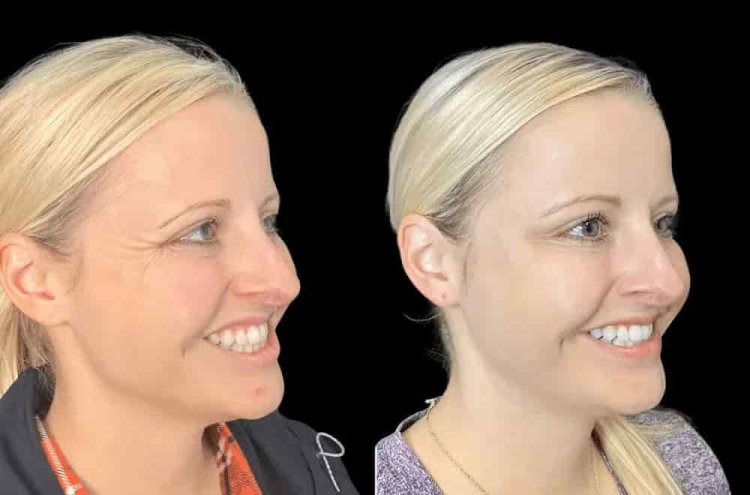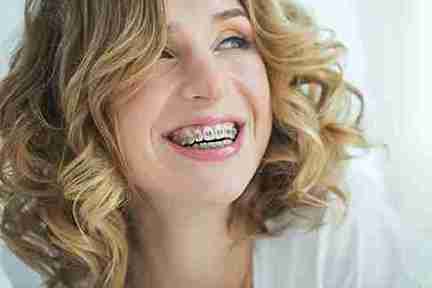
Full mouth dental implant treatment is one of the most comprehensive and transformative procedures in modern dentistry. It restores not only missing teeth but also function, facial support, and patient confidence. While implant placement often receives the most attention, the timing of prosthetic design is equally critical to achieving predictable and long lasting outcomes. Prosthetic planning influences implant positioning, occlusion, aesthetics, and long term maintenance. Understanding when and how prosthetic decisions are made throughout treatment helps patients and clinicians appreciate why careful sequencing is essential for full mouth rehabilitation success.
Understanding Full Mouth Dental Implant Treatment
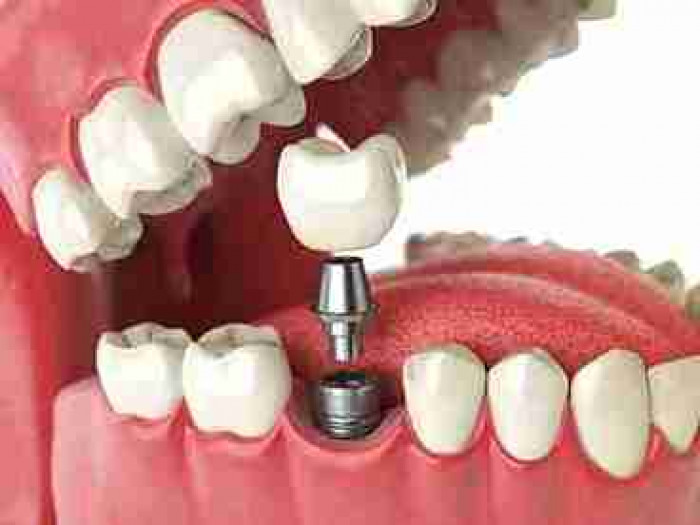
Full mouth dental implants are designed to replace an entire arch or both arches of missing or failing teeth using multiple implants to support a fixed prosthesis. Common approaches include All-on-4, All-on-6, or customised implant supported bridges. These solutions aim to restore chewing efficiency, speech, and facial harmony while providing a stable, long term alternative to removable dentures. In practices providing Dental Implant Liverpool services, full mouth rehabilitation is often recommended for patients with extensive tooth loss, severe wear, or advanced periodontal disease. The complexity of these cases requires a coordinated approach, where surgical and prosthetic phases are carefully aligned to avoid complications and ensure optimal results.
What Is Prosthetic Design in Implant Dentistry?
Prosthetic design refers to the planning and creation of the final teeth or prosthesis that will be supported by dental implants. It involves far more than selecting tooth shapes or materials. Key considerations include:
- Occlusion and bite dynamics
- Aesthetic harmony with the face and smile
- Phonetics and speech
- Cleansability and long-term maintenance
In full-mouth cases, prosthetic design directly influences where implants should be placed. A prosthetically driven approach ensures implants are positioned to support the final restoration rather than forcing the prosthesis to adapt to poorly positioned implants. This philosophy is fundamental in full mouth dental implants Liverpool treatment planning, where precision is essential.
Why Timing Matters in Prosthetic Design
The timing of prosthetic design decisions has a significant impact on treatment success. Prosthetic planning should begin before any surgical intervention takes place. When prosthetic considerations are delayed, issues such as poor aesthetics, compromised bite, or excessive stress on implants may arise.
Early prosthetic planning helps to:
- Determine ideal tooth position and smile line
- Guide implant number, position, and angulation
- Anticipate occlusal forces and load distribution
- Reduce the need for corrective procedures later
In comprehensive Dental Implant Liverpool cases, early prosthetic input allows the surgical plan to support the final restorative vision, improving predictability and efficiency.
Pretreatment Prosthetic Planning Phase
The pretreatment phase is where prosthetic timing plays its most influential role. Detailed diagnostics allow clinicians to visualise the final outcome before surgery begins.
Key elements of pretreatment prosthetic planning include:
- Digital scans or impressions of existing teeth and arches
- CBCT imaging to assess bone volume and anatomy
- Facial and smile analysis
- Assessment of vertical dimension and bite relationship
A diagnostic wax up or digital simulation is often created to show the proposed tooth arrangement. This serves as a blueprint for both surgical and restorative stages.
Planning Tools and Their Purpose
| Tool | Purpose |
| CBCT scan | Bone assessment and implant positioning |
| Digital smile design | Aesthetic planning and patient communication |
| Diagnostic wax up | Visualising final prosthesis |
| Surgical guides | Accurate implant placement |
For patients pursuing Full Mouth Dental Implants Liverpool, this phase ensures expectations are aligned and treatment is tailored to individual needs.
Prosthetic Design During Implant Placement
Prosthetic timing continues to influence decisions during the surgical phase. Guided implant surgery is often used, based on the pre planned prosthetic design. Surgical templates help ensure implants are placed exactly where needed to support the final restoration. In some cases, immediate provisional prostheses are fitted on the same day as implant placement. These temporary restorations are designed with careful occlusal control to protect implants during early healing.
Key considerations at this stage include:
- Maintaining correct implant angulation
- Ensuring space for prosthetic materials
- Avoiding excessive loading on healing implants
This integrated approach is standard in advanced Dental Implant Liverpool treatments, particularly for full arch cases.
Prosthetic Considerations During Healing
The healing period is not passive. Prosthetic design often evolves during this phase to accommodate changes in soft tissue contours and bone remodelling. Temporary prostheses may require adjustments to maintain comfort and hygiene.
During healing, clinicians focus on:
- Controlled loading to protect osseointegration
- Monitoring tissue response
- Adjusting provisional prostheses as needed
In Full Mouth Dental Implants Liverpool cases, provisional restorations play a vital role in testing aesthetics, phonetics, and bite before final prosthesis fabrication.
Final Prosthetic Design and Delivery
Once osseointegration is complete, attention turns to the final prosthetic design. This stage reflects all the planning and adjustments made earlier in treatment.
Final prosthetic considerations include:
- Material selection (zirconia, acrylic, hybrid options)
- Long term durability and maintenance
- Accurate occlusal balance
- Natural aesthetics and facial support
The final prosthesis is carefully fitted and adjusted to ensure comfort and function. Because prosthetic timing was managed effectively from the outset, this stage is typically smooth and predictable.
Common Challenges and How Proper Timing Helps
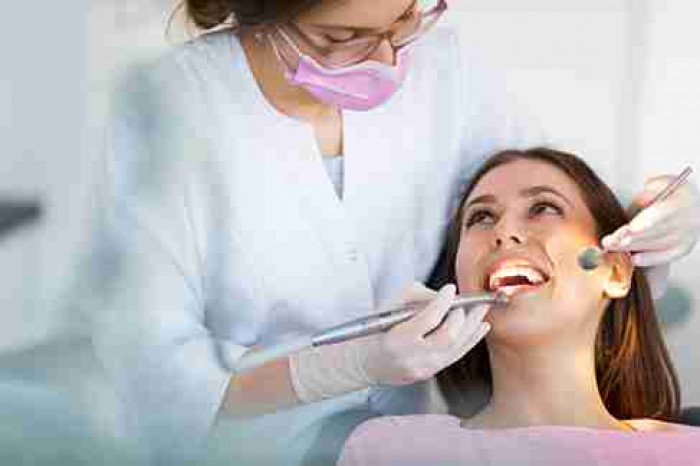
Full mouth implant treatment presents unique challenges, including changes in bone levels, soft tissue shrinkage, and bite adaptation. When prosthetic design is planned early and reviewed throughout treatment, these challenges are easier to manage.
Benefits of correct prosthetic timing include:
- Reduced mechanical complications
- Improved implant longevity
- Better aesthetic outcomes
- Enhanced patient satisfaction
This structured approach is a hallmark of high quality dental implant Liverpool care.
Conclusion
Prosthetic design timing is a cornerstone of successful full mouth dental implant treatment. From initial diagnostics to final restoration, each stage builds upon carefully timed decisions that influence function, aesthetics, and long term stability. By integrating prosthetic planning early and revisiting it throughout treatment, clinicians can deliver predictable and durable outcomes. For patients seeking comprehensive full mouth rehabilitation with a focus on precision and long term success, Smilo Dental Implant Liverpool provides expertly planned solutions tailored to individual needs.