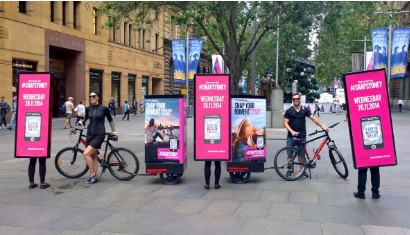
Out-of-home (OOH) advertising has long been a powerful way for brands to reach audiences in public spaces. However, traditional formats such as static billboards, vinyl wraps, and large vehicle-mounted displays often come with significant environmental costs. As sustainability becomes a priority for brands, cities, and consumers, advertisers are actively seeking greener alternatives. One solution gaining rapid traction is the digital bike billboard, a mobile, low-emission advertising format that aligns performance marketing with environmental responsibility.
What Is a Digital Bike Billboard?
A digital bike billboard is an advertising display mounted on a bicycle or e-bike, typically featuring a high-resolution LED screen. These billboards move through targeted urban areas, delivering dynamic, programmable content directly to pedestrians, commuters, and drivers. Because they rely on human or electric power rather than fossil fuels, digital bike billboards dramatically reduce the carbon footprint associated with traditional mobile and static OOH advertising.
Environmental Benefits of Digital Bike Billboards
One of the most compelling reasons digital bike billboards represent the future of sustainable OOH advertising is their minimal environmental impact. Unlike diesel-powered mobile billboards or energy-intensive static installations, bikes produce zero direct emissions. Many operators also use rechargeable batteries powered by renewable energy sources to run the LED screens.
Additionally, digital bike billboard campaigns eliminate the need for printed vinyl materials, which often end up in landfills after short campaign cycles. Digital content can be updated remotely, reducing waste and conserving resources while allowing brands to refresh messaging instantly.
Energy Efficiency and Smart Technology
Advancements in LED technology have significantly improved energy efficiency. Modern LED panels used in digital bike billboards consume far less power than older display systems while delivering high brightness and clarity, even in daylight conditions. GPS tracking, real-time reporting, and programmatic ad scheduling further optimize campaign efficiency, ensuring ads are displayed only in high-impact locations and peak traffic hours.
This smart use of technology reduces unnecessary energy consumption and aligns advertising spend with actual audience exposure, making campaigns both eco-friendly and cost-effective.
Hyperlocal Targeting Without Infrastructure Damage
Traditional billboards often require permanent structures, permits, and land use that can disrupt urban environments. In contrast, digital bike billboards operate within existing road and bike lane infrastructure, leaving no physical footprint behind.
Their mobility allows advertisers to target specific neighborhoods, events, or commercial districts without installing new hardware. This hyperlocal capability not only increases relevance and engagement but also supports sustainable city planning by avoiding visual clutter and construction-related emissions.
Consumer Perception and Brand Trust
Sustainability influences purchasing decisions more than ever. Studies consistently show that consumers are more likely to trust and support brands that demonstrate genuine environmental responsibility. Advertising via a digital bike billboard sends a visible message that a brand values innovation, community presence, and sustainability.
Because bike billboards operate at street level, they feel more human and less intrusive than large static ads. This approach often results in higher recall and more positive brand associations compared to traditional OOH formats.
Cost Efficiency and Scalability
Sustainable advertising is not just about environmental impact; it must also make economic sense. Digital bike billboard campaigns typically cost less than large-format billboards or vehicle-mounted LED displays. Lower fuel costs, reduced material expenses, and flexible deployment contribute to strong return on investment.
Brands can scale campaigns up or down easily, adjust routes in real time, and reuse digital creative across multiple markets without additional production waste.
Conclusion
As cities prioritize sustainability and brands seek measurable, responsible advertising solutions, digital bike billboards stand out as a future-ready format. They combine zero-emission mobility, energy-efficient technology, hyperlocal targeting, and positive consumer perception into a single platform. While larger formats like the LED billboard trailer will continue to serve specific use cases, the digital bike billboard represents a smarter, greener evolution of out-of-home advertising built for modern urban environments.