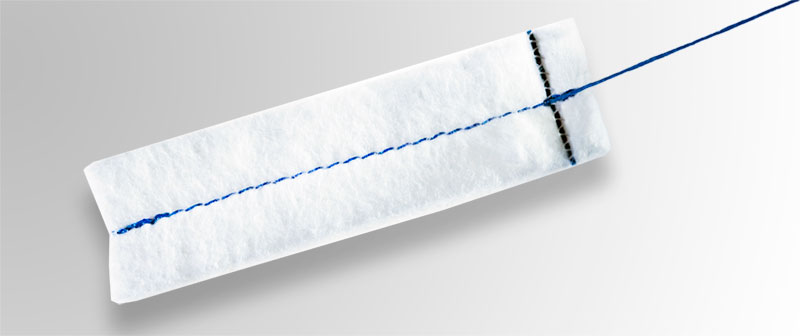
Neurosurgery and microsurgery demand accuracy, gentle tissue handling, and clear visibility at every step. Surgeons work around the brain, spinal cord, and fragile nerves, so they need tools that support precision and reduce risk. The Cottonoid sponge plays a crucial role here. It helps surgeons control bleeding, protect delicate structures, and maintain a clean surgical field. Its simple design supports complex procedures and helps create safer outcomes. Many specialists rely on it because it provides stability and confidence in critical moments. A clear operative field, controlled fluid, and protected tissues often depend on this small but essential tool.
Understanding the Cottonoid sponge
The Cottonoid sponge is a small, soft, highly absorbent pad used during brain and spine surgeries. Surgeons commonly refer to it as a neurosurgical patty. It usually includes a radiopaque marker, so doctors can identify it on imaging if required. Its lint-free design helps prevent irritation and reduces risk inside sensitive areas.
Key roles of the Cottonoid sponge in surgery
Let’s take a look at the key roles of the cottonoid sponge in surgery:
Helps control fluids and bleeding
The Cottonoid sponge absorbs blood, saline, and cerebrospinal fluid. This control keeps the surgical area dry and helps the surgeon focus on details without distraction. Clear vision supports safer decision-making during critical steps.
Protects delicate neural tissues
Neural tissue cannot tolerate rough handling. The Cottonoid sponge acts as a gentle barrier between instruments and sensitive structures. Surgeons place it between tools and tissue to prevent friction and pressure damage. This protection becomes especially important in narrow or deep corridors.
Supports better visibility and precision
The Cottonoid sponge maintains clarity in the operative field. By controlling moisture and stabilizing the surrounding area, the surgeon can clearly see small nerves and vessels. That clarity supports accurate cutting, repositioning, or reconstruction.
Assists with instrument handling
Surgeons also use the Cottonoid sponge to support instruments or separate nearby tissues. It improves control in tight spaces and enhances maneuverability during fine microsurgical movements.
Common surgical applications
The Cottonoid sponge supports many procedures, including brain tumor removal, spinal surgeries, skull-base operations, vascular neurosurgery, and pituitary surgery. Each situation demands precision, and the sponge consistently helps maintain a safer and more controlled field.
Safety standards and handling
Safety remains essential in neurosurgery. The Cottonoid sponge often comes with a marker so teams can track it throughout the surgery. Teams follow strict counting protocols and quality checks to prevent retention. Surgeons also select appropriate sizes to match each step of the procedure. Proper handling supports sterility and patient protection.
Conclusion
The Cottonoid sponge may appear simple, but it plays an important role in complex neurosurgical and microsurgical work. Surgeons rely on it for fluid control, tissue protection, visibility, and support inside highly sensitive regions of the body. Its design focuses on safety, stability, and ease of use in demanding environments. When used correctly, it helps reduce risk, supports efficiency, and contributes to better surgical outcomes. Strong surgical skills, advanced technology, and dependable tools, such as the Cottonoid sponge, together create safer care for patients undergoing delicate brain and spine procedures.