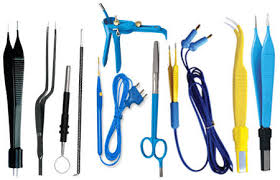
Medical Instrument Manufacturer
A medical instrument manufacturer plays a crucial role in the global healthcare system by designing, producing, and supplying tools that support diagnosis, treatment, surgery, and patient care. As healthcare standards continue to evolve, the demand for reliable, precise, and innovative medical instruments has increased significantly. From basic examination tools to advanced surgical devices, manufacturers are at the center of improving clinical outcomes and enhancing patient safety across hospitals, clinics, and laboratories worldwide.
Understanding the Role of Medical Instrument Manufacturing
Medical instrument manufacturing involves a complex process that combines engineering expertise, medical knowledge, and strict quality control standards. Manufacturers must ensure that every instrument meets international safety and performance regulations before reaching healthcare professionals. This responsibility makes the manufacturing process highly regulated and detail-oriented. Each stage, from material selection to final inspection, contributes to the reliability of instruments used in critical medical procedures.
Evolution of Medical Instruments Over Time
The journey of medical instruments has progressed from simple handcrafted tools to highly sophisticated devices made with precision engineering. Early instruments were often basic and limited in function, but modern manufacturing techniques have transformed the industry. Today’s medical instrument manufacturer integrates advanced technologies such as computer-aided design, automation, and high-grade materials to produce instruments that are more durable, accurate, and efficient than ever before. This evolution has directly improved diagnostic accuracy and surgical success rates.
Materials Used in Medical Instrument Production
The selection of materials is a defining factor in medical instrument manufacturing. High-quality stainless steel, titanium, and specialized alloys are commonly used due to their strength, corrosion resistance, and ability to withstand repeated sterilization. In some cases, medical-grade plastics and polymers are used for disposable or lightweight instruments. A professional medical instrument manufacturer carefully chooses materials that meet hygiene standards while ensuring longevity and performance in clinical environments.
Quality Control and Regulatory Compliance
Quality assurance is one of the most critical responsibilities of a medical instrument manufacturer. Instruments must comply with national and international regulatory frameworks to ensure patient safety. Manufacturers follow standardized testing procedures to evaluate durability, accuracy, and usability. Strict documentation and traceability are maintained throughout the production process, allowing manufacturers to meet audits and certifications required by healthcare authorities. This commitment to quality builds trust among medical professionals and healthcare institutions.
Manufacturing Processes and Precision Engineering
The production of medical instruments requires high levels of precision. Advanced machining, forging, molding, and finishing techniques are used to achieve exact measurements and smooth surfaces. Precision is essential because even minor defects can compromise the performance of an instrument during medical procedures. Skilled technicians and modern machinery work together to ensure that every instrument meets defined specifications before it is approved for use.
Role of Innovation in Medical Instrument Manufacturing
Innovation is a driving force in the medical instrument manufacturing industry. Continuous research and development enable manufacturers to introduce improved designs that enhance functionality and ease of use. Innovations focus on ergonomics, reducing surgeon fatigue, improving patient comfort, and increasing procedural efficiency. A forward-thinking medical instrument manufacturer invests in new technologies to stay competitive and respond to the changing needs of healthcare providers.
Importance of Sterilization and Hygiene Standards
Medical instruments must adhere to strict sterilization and hygiene requirements. Manufacturers design instruments that can withstand repeated sterilization cycles without degradation. Smooth finishes, seamless joints, and corrosion-resistant materials help prevent bacterial growth and contamination. By prioritizing hygiene during the design and manufacturing stages, a medical instrument manufacturer ensures that instruments contribute to infection control and patient safety in healthcare facilities.
Customization and Specialized Instruments
Many medical procedures require specialized instruments tailored to specific applications. Medical instrument manufacturers often collaborate with healthcare professionals to develop customized solutions. These instruments are designed to meet unique procedural needs, improve surgical precision, and enhance clinical outcomes. Custom manufacturing allows healthcare providers to access tools that align perfectly with their operational requirements and medical specialties.
Global Demand and Export Opportunities
The global healthcare industry has created strong demand for high-quality medical instruments. Manufacturers that meet international standards have opportunities to supply products to hospitals and distributors worldwide. A reputable medical instrument manufacturer focuses on consistency, compliance, and reliability to compete in global markets. Export-oriented manufacturing contributes to economic growth while ensuring that quality healthcare tools reach diverse regions.
Sustainability in Medical Instrument Manufacturing
Sustainability has become an important consideration in manufacturing industries, including medical instruments. Manufacturers are increasingly adopting environmentally responsible practices such as efficient resource usage, waste reduction, and recyclable materials where appropriate. Sustainable manufacturing not only benefits the environment but also aligns with global healthcare goals focused on long-term responsibility and ethical production practices.
Workforce Skills and Industry Expertise
A skilled workforce is essential for successful medical instrument manufacturing. Engineers, technicians, quality inspectors, and designers bring specialized knowledge to the production process. Continuous training ensures that employees stay updated with evolving technologies and regulatory requirements. A professional medical instrument manufacturer invests in workforce development to maintain high standards of craftsmanship and innovation.
Challenges Faced by Medical Instrument Manufacturers
Despite growth opportunities, medical instrument manufacturers face several challenges. Regulatory complexity, rising production costs, and rapid technological changes require constant adaptation. Manufacturers must balance affordability with quality while meeting strict compliance standards. Supply chain disruptions and global competition also demand efficient operational strategies to maintain reliability and customer trust.
Future Trends in Medical Instrument Manufacturing
The future of medical instrument manufacturing is shaped by digitalization, automation, and smart technologies. Manufacturers are increasingly integrating data-driven processes to improve efficiency and quality control. Advanced manufacturing methods such as precision robotics and intelligent quality monitoring systems are expected to enhance consistency and reduce errors. These trends indicate a future where medical instruments are not only more advanced but also more accessible and reliable.
Impact on Healthcare Outcomes
The quality of medical instruments directly affects patient care and clinical outcomes. Reliable instruments support accurate diagnosis, effective treatment, and successful surgeries. A dependable medical instrument manufacturer contributes to healthcare systems by providing tools that healthcare professionals can trust. This impact extends beyond individual procedures to overall healthcare efficiency and patient satisfaction.
Conclusion: The Value of a Trusted Medical Instrument Manufacturer
A medical instrument manufacturer is more than a producer of tools; it is a vital partner in healthcare delivery. Through precision engineering, strict quality control, and continuous innovation, manufacturers support the evolving needs of medical professionals and patients alike. As healthcare continues to advance, the role of manufacturers in ensuring safety, accuracy, and reliability will remain indispensable. Understanding the importance of medical instrument manufacturing highlights its contribution to global health and the future of medical care.