Introduction
Varicocele is a common yet often misunderstood condition that affects many men, particularly those in their reproductive years. It occurs when the veins within the scrotum become enlarged, similar to varicose veins in the legs. While some men may not experience noticeable symptoms, others struggle with pain, discomfort, or fertility challenges.
In recent years, medical advancements have introduced safer and less invasive solutions for treating varicoceles. One such breakthrough is varicocele embolisation—a modern procedure that offers excellent results without the need for traditional surgery. This article explores everything you need to know about this innovative treatment, from how it works to why it’s becoming the preferred choice for many patients.
Understanding Varicocele
A varicocele develops when valves in the veins responsible for carrying blood away from the testicles fail to function properly. This leads to blood pooling, causing the veins to enlarge. Varicoceles are most commonly found on the left side of the scrotum due to anatomical reasons.
Common symptoms include:
-
A dull or aching pain in the scrotum
-
Heaviness or discomfort, especially after standing for long periods
-
Visible or palpable enlarged veins
-
Reduced sperm quality or infertility
If left untreated, varicoceles may worsen over time and impact overall testicular health.
Traditional Treatment vs Modern Approach
Historically, varicocele treatment involved open or laparoscopic surgery, known as varicocelectomy. While effective, surgical methods often come with longer recovery times, postoperative pain, and potential risks such as infection or recurrence.
With advances in interventional radiology, minimally invasive alternatives have emerged. Among them, varicocele embolisation stands out for its safety, effectiveness, and patient comfort.
What Is Varicocele Embolisation?
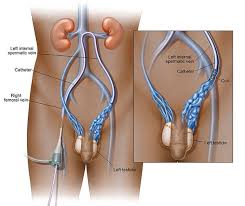
Varicocele embolisation is a non-surgical procedure performed by an interventional radiologist. Instead of making incisions, the doctor accesses the affected vein through a tiny puncture, usually in the groin or neck.
Using real-time imaging guidance, a thin catheter is navigated to the problematic veins. Special coils or medical glue are then placed to block the abnormal blood flow. This redirects blood to healthy veins, relieving pressure and reducing symptoms.
The entire procedure typically takes under an hour and does not require general anesthesia.
How the Procedure Works
Here’s a step-by-step overview of what patients can expect:
-
Preparation – The patient remains awake, with only local anesthesia used at the puncture site.
-
Catheter Insertion – A thin catheter is guided through the veins using imaging technology.
-
Vein Blocking – Embolising agents like coils or sclerosants are released to seal the faulty veins.
-
Completion – The catheter is removed, and a small bandage is applied. No stitches required.
Patients are usually discharged the same day.
Key Benefits of Varicocele Embolisation
This procedure offers several advantages over traditional surgical methods:
-
Minimally invasive – No cuts or stitches
-
Quick recovery – Most patients resume normal activities within 24–48 hours
-
Low pain levels – Mild discomfort compared to surgery
-
High success rate – Effective symptom relief and improved fertility outcomes
-
No general anesthesia – Reduced anesthesia-related risks
-
Minimal scarring – Virtually no visible marks
These benefits make embolisation an attractive option for men seeking a safe and efficient treatment.
Who Is an Ideal Candidate?
Varicocele embolisation is suitable for most men diagnosed with varicocele, especially those who:
-
Experience chronic scrotal pain
-
Have fertility issues linked to varicocele
-
Prefer a non-surgical approach
-
Have recurrent varicocele after surgery
A detailed evaluation, including ultrasound and medical history, helps determine eligibility.
Recovery and Aftercare
Recovery after embolisation is smooth and fast. Patients are advised to rest for a day and avoid strenuous activities for about a week. Mild swelling or discomfort may occur but usually subsides quickly.
Most men report noticeable improvement in symptoms within a few weeks. Fertility parameters, such as sperm count and motility, often improve over a few months.
Follow-up appointments help ensure the procedure’s success and monitor recovery.
Impact on Male Fertility
One of the most important benefits of varicocele embolisation is its positive impact on male fertility. Varicoceles can raise testicular temperature and affect sperm production. By correcting abnormal blood flow, embolisation helps restore a healthier environment for sperm development.
Studies have shown significant improvement in sperm quality and increased chances of natural conception following treatment.
Is the Procedure Safe?
Yes, varicocele embolisation is considered very safe when performed by experienced specialists. Complications are rare and generally minor, such as temporary bruising or mild pain at the catheter site.
Unlike surgery, the risk of infection, testicular damage, or hydrocele formation is significantly lower.
Why Awareness Matters
Many men delay treatment because varicocele symptoms can be subtle or misunderstood. Raising awareness about minimally invasive options encourages early intervention, better outcomes, and improved quality of life.
Modern treatments allow patients to address the condition without fear of surgery or long recovery periods.
Conclusion
Varicocele embolisation has transformed the way varicoceles are treated. By offering a safe, painless, and highly effective alternative to surgery, it empowers men to seek timely care without disrupting their daily lives. Whether the concern is chronic pain or fertility challenges, this modern procedure provides lasting relief and peace of mind.