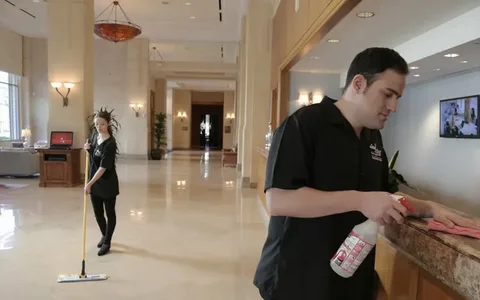
Maintaining a clean and hygienic environment in a restaurant is not just about appearances; it’s about ensuring the safety of your customers and staff. An effective hospitality cleaning checklist provides a structured approach to sanitation, making it easier to maintain high standards consistently. By following a detailed checklist, restaurant owners in Wollongong can minimize health risks, comply with local regulations, and enhance their guests’ dining experience. From kitchen surfaces to dining areas, every corner must be cleaned and monitored regularly.
1. Ensuring Health and Safety Compliance
Health and safety regulations in Wollongong are strict, and restaurants must comply with them to avoid fines or closures. A detailed hospitality cleaning checklist ensures that staff clean all critical areas such as food preparation zones, storage areas, and bathrooms systematically. Using the checklist, employees are less likely to overlook vital sanitation tasks, helping the restaurant stay compliant with food safety standards. Regular monitoring also supports staff training, as new employees can quickly learn what is expected.
2. Streamlining Daily Cleaning Procedures
Consistency is key in maintaining cleanliness. An organized checklist helps staff follow a routine, making daily cleaning procedures faster and more efficient. When tasks like mopping floors, sanitizing counters, and emptying trash bins are clearly outlined, employees know exactly what needs to be done and in what order. This eliminates confusion, reduces redundancy, and ensures that no area is left dirty, keeping your restaurant spotless for every customer.
3. Improving Customer Experience
Customers notice cleanliness immediately. A spotless dining area, fresh-smelling bathrooms, and gleaming kitchen surfaces create a positive impression that can influence reviews and repeat visits. An effective hospitality cleaning checklist guarantees that all areas affecting customer experience are regularly cleaned. By maintaining high hygiene standards, restaurants in Wollongong can enhance their reputation, increase customer satisfaction, and boost loyalty.
4. Reducing Health Risks and Contamination
Cross-contamination in restaurants can lead to serious health issues for customers. A detailed checklist addresses this by specifying cleaning procedures for different surfaces and equipment. For example, cutting boards, knives, and cooking utensils require thorough disinfection after every use. A well-implemented hospitality cleaning checklist helps minimize the risk of foodborne illnesses, protecting both your patrons and staff.
5. Saving Time and Improving Efficiency
Without a proper cleaning plan, staff may spend extra time figuring out what needs to be done, leading to inefficiencies and missed tasks. A checklist provides a step-by-step guide for every cleaning activity, saving valuable time during busy hours. From kitchen deep cleans to front-of-house maintenance, having a structured plan ensures every task is completed efficiently. This allows staff to focus on other essential duties while keeping your restaurant in Wollongong spotless.
6. Tracking and Accountability
An effective checklist is not just a cleaning guide; it’s a monitoring tool. Employees can tick off tasks as they complete them, allowing managers to track performance and ensure accountability. This helps in identifying any areas that require extra attention or staff training. Regular tracking also provides documentation to show that your restaurant follows hospitality cleaning service best practices, which can be valuable during health inspections or audits.
7. Enhancing Staff Training and Productivity
New staff can feel overwhelmed by the many cleaning responsibilities in a restaurant. A comprehensive checklist acts as a training guide, helping them understand priorities and the correct cleaning procedures. Over time, staff become more efficient, productive, and confident in maintaining high standards. This structured approach also fosters teamwork, as each employee knows their responsibilities and deadlines.
8. Cost-Effective Cleaning Management
A proper checklist can help restaurants reduce unnecessary cleaning expenses. By clearly defining the frequency and method for each task, restaurants avoid overusing cleaning products or performing redundant cleaning. Efficient hospitality cleaning not only saves money but also extends the lifespan of kitchen equipment, furniture, and fixtures. Over time, this contributes to better operational efficiency and profitability for restaurant owners in Wollongong.
9. Building a Reputation for Cleanliness
In today’s competitive restaurant industry, reputation matters more than ever. A clean, hygienic environment builds trust with customers and encourages positive online reviews. By implementing a well-structured hospitality cleaning checklist, your restaurant demonstrates a commitment to high standards, safety, and customer care. This reputation for cleanliness can differentiate your restaurant in Wollongong, attracting more guests and increasing repeat business.
10. Key Elements to Include in Your Cleaning Checklist
A well-crafted hospitality cleaning checklist should cover all essential areas to maintain a safe and hygienic restaurant environment. Here are the key elements every checklist should include:
-
Front-of-House Cleaning:
- Wipe and sanitize tables, chairs, and counters
- Clean and polish glass doors and windows
- Sweep, mop, and vacuum floors regularly
-
Kitchen Cleaning:
- Sanitize food prep surfaces and cutting boards
- Clean cooking appliances, ovens, and fryers
- Empty and clean trash bins daily
-
Bathroom Maintenance:
- Sanitize toilets, sinks, and faucets
- Refill soap dispensers and paper towels
- Mop floors and disinfect high-touch areas
-
Storage Areas:
- Organize shelves and remove expired items
- Sweep and sanitize floors
- Check for pests and maintain hygiene standards
-
Staff Responsibilities:
- Assign daily, weekly, and monthly cleaning tasks
- Track completion with checkmarks or digital logs
- Provide training for proper cleaning procedures
Incorporating these points ensures that every area of your restaurant is consistently clean and meets health and safety standards. A detailed hospitality cleaning checklist makes this process simple, efficient, and reliable.
Conclusion
An effective hospitality cleaning checklist is essential for any restaurant aiming for operational efficiency, compliance, and customer satisfaction. It ensures consistency, reduces risks, saves costs, and strengthens your brand reputation. Restaurants in Wollongong looking to implement high-standard cleaning procedures can rely on professional services like BIU Cleaning. For expert assistance in keeping your restaurant spotless, visit BIU Cleaning or call +61 451 201 055.