Golf is no longer limited to outdoor courses and driving ranges. With advancements in simulator technology and indoor practice solutions, golf enthusiasts can now enjoy realistic practice sessions from the comfort of their own homes. One of the most essential components of an indoor golf setup is a high-quality golf enclosure. A well-designed enclosure not only protects your space but also enhances realism, safety, and performance during practice.
As more players look for convenient ways to improve their swing year-round, home golf enclosures have become increasingly popular. Whether you are a beginner working on fundamentals or an experienced golfer refining your technique, understanding how to properly set up a golf enclosure is key to creating a safe and effective practice environment. Many golfers also explore value options such as SimSpace Golf coupons & discounts when planning their home setup to manage costs without compromising quality.
What Is a Golf Enclosure and Why Do You Need One?
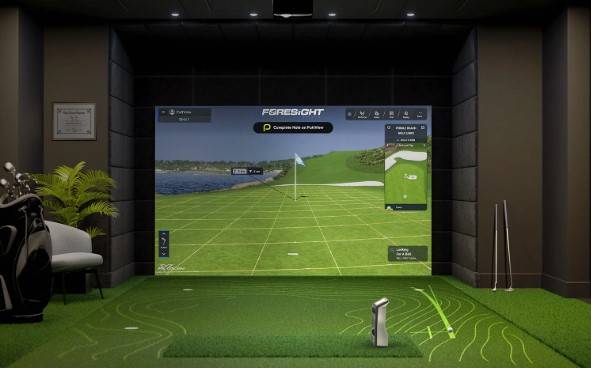
A golf enclosure is a structured setup designed to safely contain golf shots while allowing golfers to practice swings indoors. It typically includes impact screens, side netting, frames, and ceiling protection. Enclosures are commonly used with golf simulators, enabling players to see real-time shot data while hitting actual golf balls.
The primary purpose of a golf enclosure is safety. Golf balls travel at high speeds, and without proper containment, they can cause serious damage to walls, ceilings, or nearby objects. A quality enclosure absorbs impact and keeps shots contained within a designated area. Beyond safety, enclosures also improve focus and immersion by creating a dedicated practice space that mimics real-course conditions.
Choosing the Right Space for Your Enclosure
Before purchasing a golf enclosure, it’s important to evaluate the space where it will be installed. Ceiling height is one of the most critical factors. Most golfers need a minimum ceiling height of around 9 to 10 feet to swing comfortably, though taller players may require more clearance.
Room width and depth also matter. Adequate side space prevents accidental contact with walls, while sufficient depth allows room for the enclosure frame, screen, and swing path. Garages, basements, spare rooms, and dedicated home gyms are common locations for indoor golf setups. Measuring your space accurately ensures that the enclosure you choose fits properly and performs as intended.
Types of Golf Enclosures Available
Golf enclosures come in various sizes and configurations to suit different needs. Some are compact and designed for smaller spaces, while others offer full-room coverage for a more immersive experience. Enclosures can be freestanding or wall-mounted, depending on your available space and installation preferences.
High-quality enclosures are typically constructed using durable steel or aluminum frames combined with heavy-duty netting and impact screens. These materials are engineered to withstand repeated ball strikes while maintaining their shape and integrity over time. Choosing an enclosure designed specifically for simulator use ensures compatibility with launch monitors and projection systems.
Materials and Build Quality Matter
Not all golf enclosures are created equal. Build quality directly affects durability, safety, and overall experience. Impact screens should be made from multi-layer polyester blends that reduce bounce-back and provide clear visuals for projected simulations. Side and ceiling nets should be strong enough to absorb mis-hits without tearing or stretching excessively.
Brands like SimSpace focus on selling high-quality golf enclosures and practice nets specifically designed for use with golf simulators. SimSpace offers various different sized sim boxes to meet the needs of golfers with different room dimensions, making it easier to find a solution that fits your home environment.
Installation and Setup Tips
Setting up a golf enclosure at home is generally straightforward, especially with modern modular designs. Most enclosures come with clear instructions and pre-cut components for easy assembly. While some users prefer professional installation, many golfers successfully set up their enclosures themselves with basic tools.
It’s important to ensure the frame is properly secured and level before attaching screens and nets. Loose fittings can affect performance and safety. Once the enclosure is assembled, testing it with soft swings before full shots helps confirm that everything is properly aligned and stable.
Using a Golf Enclosure With a Simulator
A golf enclosure truly shines when paired with a golf simulator. Simulators track ball speed, launch angle, spin, and distance, providing instant feedback on every shot. The enclosure acts as the physical foundation of this system, ensuring accurate ball return and visual projection.
When setting up a simulator, screen tension and alignment are crucial. A properly tensioned impact screen improves image clarity and minimizes bounce-back. Many enclosures are designed to work seamlessly with popular launch monitors, making them a versatile addition to any home golf setup.
Benefits of Practicing Golf at Home
Practicing golf at home offers unmatched convenience. There’s no need to travel to a range, wait for a tee, or depend on weather conditions. With a home enclosure, golfers can practice anytime, whether it’s a quick session after work or a focused weekend training routine.
Consistent practice leads to measurable improvement. Having instant access to a practice environment encourages repetition, muscle memory development, and confidence. Over time, golfers often notice improvements in swing mechanics, accuracy, and overall performance.
Maintenance and Long-Term Care
To keep your golf enclosure in top condition, regular maintenance is essential. Inspect nets and screens periodically for wear and tear, especially in high-impact areas. Cleaning the impact screen helps maintain image quality and prevents dust buildup.
Proper storage and handling also extend the lifespan of your enclosure. Avoid exposing materials to excessive moisture or sharp objects, and follow manufacturer guidelines for care. With the right maintenance, a quality enclosure can last for years, making it a worthwhile investment.
Final Thoughts
Setting up a golf enclosure at home is one of the best ways to elevate your practice routine while enjoying the convenience of indoor games and sports. By choosing the right space, selecting a well-built enclosure, and pairing it with a simulator, golfers can create a safe, immersive, and effective training environment.
With companies like SimSpace offering durable, well-designed enclosures in various sizes, golfers of all levels can find solutions tailored to their needs. A thoughtfully planned golf enclosure not only protects your home but also transforms how you practice and enjoy the game.