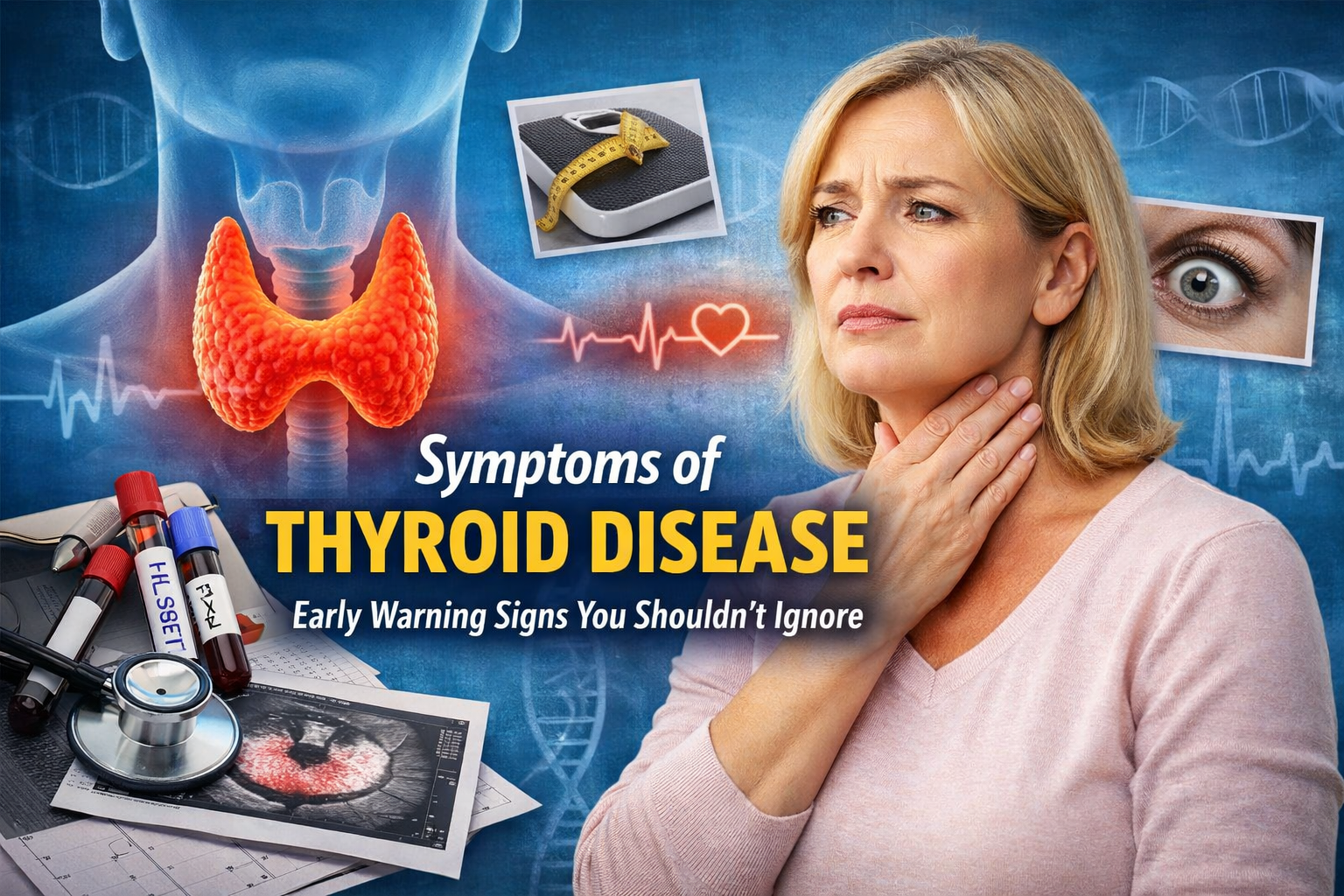
The thyroid disease may be small, but it has a powerful influence on almost every part of the body. This butterfly-shaped gland, located at the base of the neck, plays a crucial role in regulating metabolism, energy levels, heart rate, digestion, mood, and body temperature. When the thyroid doesn’t function properly, even slightly, it can disrupt daily life and long-term health.
In Australia, thyroid disease is more common than many people realize. Thousands of Australians live with undiagnosed thyroid conditions because early symptoms are often subtle, vague, or mistaken for stress, ageing, or lifestyle factors. Recognizing the symptoms of thyroid disease early can help prevent complications and improve quality of life.
This guide explains the early warning signs of thyroid disease, common types of thyroid disorders, and when Australians should seek medical advice.
Understanding Thyroid Disease
Thyroid disease occurs when the thyroid gland produces too much or too little thyroid hormone. These hormones help control how fast the body uses energy, which is why thyroid disorders can affect nearly every organ system.
The most common thyroid conditions include:
- Hypothyroidism (underactive thyroid)
- Hyperthyroidism (overactive thyroid)
- Thyroid nodules
- Goitre (enlarged thyroid)
- Autoimmune thyroid disorders, such as Hashimoto’s disease and Graves’ disease
In Australia, iodine imbalance, autoimmune conditions, pregnancy, genetics, and certain medications are common contributors to thyroid dysfunction.
Why Early Detection of Thyroid Problems Matters
Thyroid disease often develops gradually. Early symptoms may come and go, making them easy to dismiss. However, untreated thyroid conditions can lead to serious health issues, including:
- Heart disease and arrhythmias
- Infertility and pregnancy complications
- Depression and anxiety
- Osteoporosis
- Nerve damage
Identifying the symptoms of thyroid disease early allows for prompt diagnosis and effective treatment, helping Australians maintain long-term physical and mental wellbeing.
Common Symptoms of Thyroid Disease
Although symptoms vary depending on whether the thyroid is underactive or overactive, many warning signs overlap across different thyroid conditions.
Persistent Fatigue and Low Energy
Ongoing fatigue is one of the most common early symptoms. People may feel constantly tired despite adequate sleep, struggle with daily tasks, or experience mental fog.
This type of fatigue often does not improve with rest and may worsen over time.
Unexplained Weight Changes
Sudden or unexplained weight changes are classic indicators of thyroid imbalance.
- Weight gain is commonly associated with hypothyroidism
- Weight loss, even with normal eating habits, may indicate hyperthyroidism
These changes can be frustrating and difficult to manage without proper treatment.
Mood Changes and Mental Health Symptoms
The thyroid has a direct impact on brain function and emotional regulation. Thyroid disorders can cause:
- Anxiety or nervousness
- Depression or persistent low mood
- Irritability
- Difficulty concentrating
- Memory problems
In Australia, thyroid disease is sometimes misdiagnosed as a primary mental health condition because symptoms overlap significantly.
Changes in Heart Rate
Thyroid hormones play a key role in regulating the heart.
- Hyperthyroidism may cause a rapid or irregular heartbeat
- Hypothyroidism may lead to a slower-than-normal heart rate
Heart palpitations, chest discomfort, or shortness of breath should always be assessed by a healthcare professional.
Symptoms of Hypothyroidism (Underactive Thyroid)
Hypothyroidism occurs when the thyroid does not produce enough hormones, slowing down many bodily processes.
Common Signs of Hypothyroidism
- Ongoing tiredness
- Weight gain
- Cold intolerance
- Dry, flaky skin
- Hair thinning or hair loss
- Constipation
- Hoarse voice
- Puffy face or eyes
Hypothyroidism is more common in women and often develops during midlife, pregnancy, or menopause.
Cognitive and Emotional Symptoms
An underactive thyroid can also affect thinking and emotions, leading to:
- Brain fog
- Slowed thinking
- Reduced motivation
- Depressive symptoms
These changes may impact work performance, relationships, and overall quality of life.
Symptoms of Hyperthyroidism (Overactive Thyroid)
Hyperthyroidism occurs when the thyroid produces excess hormones, causing the body to speed up.
Common Signs of Hyperthyroidism
- Unintentional weight loss
- Increased appetite
- Heat intolerance
- Excessive sweating
- Tremors or shaky hands
- Anxiety or restlessness
- Difficulty sleeping
Without treatment, hyperthyroidism can place significant strain on the heart and nervous system.
Eye and Vision Problems
Some thyroid conditions, particularly Graves’ disease, can affect the eyes, causing:
- Bulging or protruding eyes
- Dry, gritty, or irritated eyes
- Blurred or double vision
These symptoms require prompt medical attention.
Physical Changes That May Indicate Thyroid Disease
Neck Swelling or Lump
An enlarged thyroid, known as a goitre, may appear as a visible swelling at the front of the neck. While often painless, it may cause difficulty swallowing or breathing.
Hair, Skin, and Nail Changes
Thyroid imbalances frequently affect appearance, including:
- Hair thinning or hair loss
- Dry or coarse skin
- Brittle or slow-growing nails
These changes often develop gradually and may be mistaken for ageing.
Digestive Changes
Thyroid disease can disrupt digestion:
- Hypothyroidism often causes constipation
- Hyperthyroidism may lead to frequent bowel movements.
Digestive symptoms can fluctuate and worsen if left untreated.
Thyroid Disease Across Different Life Stages
Thyroid Symptoms in Women
Women are significantly more likely than men to develop thyroid disorders. Symptoms may become more noticeable during:
- Pregnancy
- Postpartum recovery
- Menopause
Irregular menstrual cycles, fertility issues, or pregnancy complications can sometimes be linked to undiagnosed thyroid disease.
Thyroid Disease in Older Australians
In older adults, thyroid symptoms may be subtle and easily overlooked. Common signs include:
- Fatigue
- Memory issues
- Reduced mobility
- Sensitivity to temperature changes
These symptoms are often attributed to ageing, delaying diagnosis and treatment.
When to See a Doctor in Australia
You should seek medical advice if you experience:
- Persistent fatigue lasting several weeks
- Unexplained weight gain or weight loss
- Ongoing mood changes or anxiety
- Heart palpitations
- Neck swelling or discomfort
Australian GPs can diagnose thyroid disease through simple blood tests that measure thyroid hormone levels. Early diagnosis leads to highly effective treatment options.
How Thyroid Disease Is Diagnosed
Diagnosis typically involves:
- Blood tests (TSH, T3, and T4 levels)
- Antibody testing for autoimmune thyroid disorders
- Ultrasound imaging of the thyroid gland
These tests help determine the type and severity of thyroid disease.
Treatment Options for Thyroid Disease
Treatment depends on the specific thyroid condition and may include:
- Thyroid hormone replacement therapy
- Anti-thyroid medications
- Radioactive iodine treatment
- Surgery in rare cases
With appropriate management, most Australians with thyroid disease can lead healthy, active lives.
Living Well With Thyroid Disease
Managing thyroid disease goes beyond medication. Lifestyle adjustments can help reduce symptoms and improve overall wellbeing:
- Maintain a balanced diet with adequate iodine
- Prioritize regular sleep
- Manage stress levels
- Attend routine medical check-ups
- Monitor symptoms over time
Platforms like HelloGP help Australians access timely medical advice and ongoing care for conditions that affect both physical and mental health.
Final Thoughts
The symptoms of thyroid disease can be easy to overlook, but early recognition is essential for protecting long-term health. From fatigue and weight changes to mood shifts and heart irregularities, thyroid problems affect far more than energy levels alone.
For Australians, early testing, proper treatment, and ongoing monitoring can make a significant difference. If symptoms persist or worsen, speaking with a healthcare professional is the first step toward restoring balance and wellbeing.