
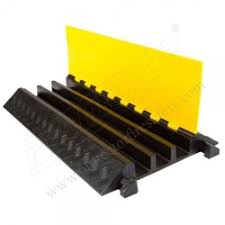
Safe cable management is essential on any construction site. Loose cables increase the risk of falls and equipment damage. This makes 3 Channel Cable Protectors a practical choice for busy work areas. Their strong build helps protect vital power lines while maintaining steady movement across different zones.
Core Uses of Cable Protectors in Construction Sites
Construction projects rely on tools, lighting, and machinery that create many cables across the ground. These cables need protection to prevent strain and breakage. 3 Channel Cable Protectors support neat layouts and help reduce downtime caused by damaged cables. They also improve day-to-day site organisation by keeping essential power lines steady and easy to manage.
Walkways and Worker Movement Paths
Walkways are constantly disrupted by workers carrying tools and materials. Cable protectors help maintain safer routes. Below are key ways they support these areas.
- Reduce the chances of falls in high-traffic zones.
- Prevent bends that weaken the cable structure.
- Keep paths clear in narrow or temporary access points.
These uses help maintain reliable movement across the site.
Heavy Equipment and Vehicle Crossing Points
Vehicle routes place heavy loads on ground-level cables. Cable protectors help manage the impact. The uses below explain where they work well.
- Shield cables from the weight of trucks, cranes, and loaders.
- Improve visibility of cable lines for operators.
- Create a stable cover on uneven or rough surfaces.
This approach helps reduce cable failures in areas with frequent equipment movement.
Temporary Power Supply and Lighting Areas
Temporary generators and lighting setups create clusters of cables that shift as work progresses. Cable protectors help keep these lines safe and organised. They reduce the risk of accidental pulls and support steady power flow in changing site conditions. This improves safety around temporary electrical systems.
Roadside Construction Edges and Internal Access Roads
Internal site roads often support heavy machinery and supply vehicles. Cables stretched across these roads require strong protection. Below are the main uses in these zones.
- Protect cables placed across access lanes and service roads.
- Prevent crushing and wear from repeated vehicle movement.
- Work well beside road traffic signs that help guide operators around active areas.
Many construction teams also place road traffic signs near protected cables to mark slow zones and alert drivers.
Entry Points, Perimeter Gates, and Site Boundaries
Entry and exit points see a mix of workers, vehicles, and deliveries throughout the day. Cable protectors keep essential lines secure without blocking movement. The uses below highlight how they support these locations.
- Protect cables passing across gates and perimeter paths.
- Keep cables organised where movement is frequent.
- Pair effectively with road traffic signs to alert drivers about cable coverage.
This setup helps maintain safe, predictable access around the site boundary.
Conclusion
Cable protection is an important part of safe construction work. With well-placed covers across walkways, machinery routes, temporary power zones, and access points, teams can reduce risks and protect vital equipment. A consistent approach to cable management helps create a safer and more organised work environment for every stage of the project.
