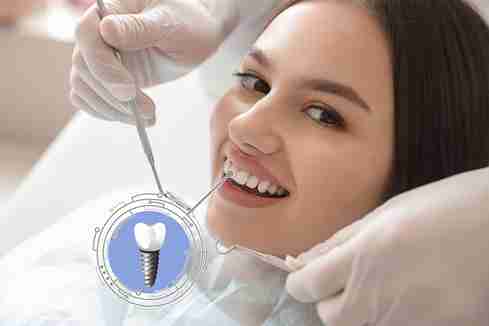
Tooth loss can affect far more than appearance. It can interfere with chewing, speech, and confidence, often leading people to avoid smiling or certain foods. While traditional dental implants have long been considered the most effective solution for replacing missing teeth, not everyone is suited to them due to bone density, health factors, or cost considerations.Mini dental implants have emerged as a practical and less invasive alternative for specific cases. Their smaller size and simplified placement process make them an attractive option for many patients seeking stability and function without extensive surgery. Understanding how mini dental implants work, what results to expect, and the different types available helps patients make informed decisions about their oral health.
What Are Mini Dental Implants?
Mini dental implants are narrower versions of conventional dental implants, typically less than 3 mm in diameter. Like standard implants, they are made from biocompatible titanium and designed to act as artificial tooth roots. The key difference lies in their size and structure. Mini implants are usually a single-piece design, meaning the implant and abutment are combined. This allows for a less invasive procedure and quicker placement. They are commonly used to stabilise dentures, replace small teeth, or provide temporary support during orthodontic or restorative treatment. For patients who may not be suitable for conventional implants due to limited bone volume, mini implants can offer a viable alternative.
How Mini Dental Implants Work
Mini dental implants work by anchoring directly into the jawbone, creating a stable base for replacement teeth or dentures. After placement, the surrounding bone gradually bonds with the implant surface through a natural process called osseointegration. Despite their smaller size, mini implants follow the same biological principles as traditional implants, using controlled pressure and everyday use to stimulate bone adaptation and strength.
Key benefits include:
- Improved stability for crowns or dentures
- Fewer surgical steps compared to standard implants
- Faster functional improvement in many cases
Patients considering dental implant Cardiff services often value mini implants for their efficiency and reliable support.
The Mini Dental Implant Procedure Step by Step
The procedure for mini dental implants is typically quicker and less invasive than that of standard implants.
The process usually includes:
- Initial consultation: Oral health assessment, X-rays or scans, and suitability evaluation
- Treatment planning: Determining implant number, position, and restoration type
- Implant placement: Mini implants are inserted directly into the jawbone using local anaesthetic
- Immediate stabilisation: In many cases, crowns or dentures are attached on the same day
- Healing period: Minor soreness may occur, but recovery is usually fast
Because the procedure is minimally invasive, stitches are often unnecessary, and patients can usually resume normal activities quickly. This streamlined process is a major reason mini implants are gaining popularity.

Types of Mini Dental Implants
Mini dental implants are available in several forms, each designed for specific clinical needs.
| Type | Primary Use | Key Benefit |
| Single-tooth mini implants | Replacing small or narrow teeth | Minimal surgery |
| Denture-stabilising mini implants | Securing loose dentures | Improved comfort |
| Temporary mini implants | Short-term support during treatment | Easy removal |
Single-tooth mini implants are often used for replacing incisors or other small teeth where space is limited. Denture-stabilising mini implants are particularly beneficial for patients struggling with unstable lower dentures. Patients considering Mini Dental Implants Cardiff frequently find these options appealing due to their flexibility and reduced treatment complexity.
Advantages of Mini Dental Implants
Mini dental implants offer several benefits that make them suitable for a wide range of patients.
Key advantages include:
- Minimally invasive placement
- Reduced treatment time
- Shorter healing period
- Lower cost compared to traditional implants
- Suitability for patients with limited bone density
Because they require less bone volume, mini implants may eliminate the need for bone grafting in some cases. This not only shortens treatment time but also reduces overall discomfort and expense.
Results and Success Rates
Mini dental implants have shown high success rates when used appropriately and placed by experienced professionals. Clinical studies report success rates comparable to traditional implants for suitable cases, particularly in denture stabilisation.
Results patients can expect include:
- Improved chewing efficiency
- Enhanced denture stability
- Better speech clarity
- Increased confidence in daily activities
Factors such as oral hygiene, bone quality, and lifestyle habits play a role in long-term success. Those researching Dental Implant Cardiff options are often reassured by the predictability and patient satisfaction associated with mini implants.
Who Is a Good Candidate for Mini Dental Implants?
Mini dental implants are not suitable for everyone, but they can be ideal for certain patient profiles.
Good candidates often include:
- Patients with narrow jawbones
- Individuals seeking denture stabilisation
- Those unable or unwilling to undergo bone grafting
- Patients in good general and oral health
Patients with active gum disease or heavy teeth grinding may require alternative solutions. A thorough assessment ensures that mini implants are used only when they are the most appropriate option.
Aftercare and Long-Term Maintenance
Caring for mini dental implants is similar to caring for natural teeth. Daily brushing, flossing, and regular dental check-ups are essential to maintain gum health around the implants.
Aftercare tips include:
- Using a soft-bristled toothbrush
- Cleaning around the implant thoroughly
- Avoiding smoking during healing
- Attending routine dental reviews
With proper care, mini implants can provide reliable support for many years, making maintenance a worthwhile investment in long-term oral health.

Mini Dental Implants vs Traditional Implants
Understanding the differences between mini and traditional implants helps patients choose the most suitable option.
| Feature | Mini Implants | Traditional Implants |
| Diameter | Narrow | Standard |
| Surgery | Minimally invasive | More complex |
| Healing time | Shorter | Longer |
| Bone
requirement |
Lower | Higher |
| Cost | Generally lower | Higher |
Mini implants are not intended to replace traditional implants in all situations but serve as an excellent alternative in specific cases. For patients exploring mini dental implants Cardiff, professional guidance is essential to determine suitability.
Conclusion
Mini dental implants offer a modern, effective solution for patients seeking improved stability, comfort, and function with minimal disruption. By understanding how they work, the procedure involved, and the different types available, patients can approach treatment with clarity and confidence. While not suitable for every case, mini implants provide meaningful benefits when carefully planned and professionally placed.With expert assessment and personalised care, patients can enjoy reliable results and restored confidence. Practices such as Smilo Dental Implant Cardiff continue to support patients with advanced implant solutions that prioritise comfort, safety, and long-term oral wellbeing.