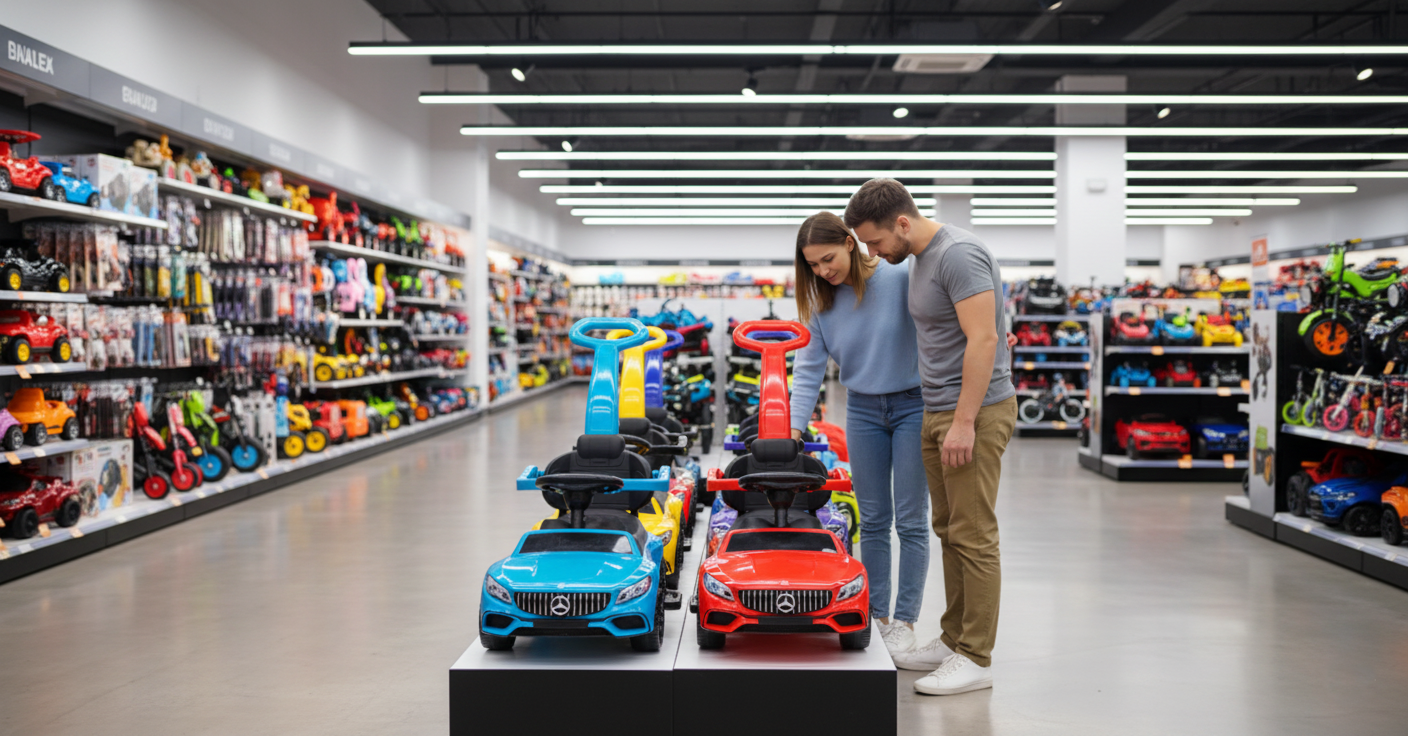
Push Cars become safe for toddlers once a child can sit upright without support and push themselves forward using their feet. For most children, this happens shortly after their first birthday. While age matters, safety depends more on physical readiness, balance, and the design of the Push Cars themselves. Parents choosing early ride-on Toys for Kids often want reassurance that their child will stay secure while learning to move independently.
The good news is that when introduced at the right time, Push Cars support confidence, balance, and controlled movement without overwhelming toddlers.
The Ideal Age Range for Push Cars
Most toddlers safely begin using Push Cars between twelve and thirty six months. At this stage, children develop stronger leg muscles and better coordination. They also show curiosity about moving on their own, which makes Push Cars both exciting and educational.
Younger toddlers benefit from slow, foot-powered movement. Unlike motorized toys, Push Cars allow children to stop instantly by placing their feet on the ground. This natural braking system reduces fear and helps toddlers learn at their own pace.
Why Development Matters More Than Age
Age guidelines printed on packaging give a general idea, but every toddler grows differently. Some children walk confidently early, while others take more time. What truly matters is whether the child can sit steadily, steer with their hands, and understand simple movement patterns.
A toddler who struggles with balance may not feel comfortable on a Push Car even if they meet the age suggestion. Parents should observe posture, leg strength, and interest in movement before introducing ride-on toys.
Safety Features That Make Push Cars Toddler-Friendly
Push Cars designed for toddlers include features that reduce tipping and sudden movement. Parents should check for a low seat height so feet reach the floor easily. Wide wheels help distribute weight evenly and improve balance.
This is the only bullet section, kept brief as requested:
• Low seating position for foot contact
• Wide wheelbase for stability
• Smooth steering without sharp turns
These features allow toddlers to explore movement safely while building confidence.
Push Cars vs Ride-On Walkers for Toddlers
Parents often compare Push Cars with traditional baby walkers. While both support early movement, Push Cars offer more control and safety.
| Feature | Push Cars | Baby Walkers |
|---|---|---|
| Height | Close to the ground | Elevated frame |
| Movement | Child controlled with feet | Wheels move freely |
| Balance Learning | Encourages coordination | Limits balance practice |
| Parent Control | Easy to guide or stop | Harder to slow down |
| Safety Risk | Lower tipping risk | Higher rolling risk |
This comparison shows why many parents now prefer Push Cars as a safer option among Toys for Kids.
How Push Cars Support Balance and Confidence
Push Cars encourage toddlers to balance naturally. Children learn how to shift weight, turn gently, and stop when needed. These skills support walking, climbing, and overall coordination.
Confidence grows quickly when toddlers realize they control their movement. Parents often notice fewer falls during walking practice after children spend time using Push Cars. The sense of independence builds trust in their own abilities.
Weight Limits and Fit for Safe Riding
Every Push Car includes a weight limit that parents should respect. Exceeding this limit can affect wheel stability and steering response. A proper fit allows toddlers to sit comfortably and push without strain.
Seat height matters as much as weight. When toddlers can keep both feet flat on the floor, they feel secure and can stop instantly. This simple detail plays a major role in safety.
Indoor and Outdoor Safety Considerations
Push Cars work best on flat surfaces. Indoors, clear pathways and non-slip floors help toddlers ride safely. Outdoor spots with flat surfaces or fenced areas work well for practice.
Parents should avoid slopes, stairs, and uneven ground. Even the most stable Push Cars are not designed for rough terrain. Setting clear boundaries keeps playtime safe and enjoyable.
Real-Life Example of Safe Push Car Use
A parent introduced Push Cars to her thirteen month old son after he began walking confidently. At first, he used the ride-on indoors under supervision. Within weeks, he learned to steer around furniture and stop independently.
The experience boosted his balance and reduced fear during walking. By the time he transitioned to other Toys for Kids, he showed better coordination and confidence.
Why Parents Choose Push Cars as First Ride-On Toys
Push Cars offer simplicity, safety, and developmental benefits. They require no batteries, no charging, and minimal setup. Parents value toys that support learning without overstimulation.
As part of early Toys for Kids collections, Push Cars remain popular because they adapt to different growth stages. Toddlers use them first as balance tools and later as imaginative play vehicles.
Conclusion: Knowing the Right Time Makes All the Difference
Push Cars become safe for toddlers once physical readiness, proper design, and supervision come together. While most children are ready after their first year, parents should focus on balance, fit, and safety features rather than age alone.
When chosen carefully, Push Cars help toddlers move confidently and safely. They provide a gentle introduction to independence while supporting essential motor skills. With the right approach, Push Cars remain one of the most trusted and beneficial Toys for Kids during early childhood.
Visit for news and updates at quantirum.com