Road safety remains one of the most important responsibilities of modern governance, as it directly affects public health, economic stability, and everyday mobility. With the rapid increase in vehicle ownership and increasingly complex traffic networks, authorities across the world are strengthening regulatory systems to ensure safer roads. At the center of these systems lies the driving licence—a tool that goes far beyond granting permission to drive.
Driving licence functions as proof of driving competence, a mechanism for legal accountability, a record of driving behaviour, and a foundation for traffic law enforcement. This article examines how driving licences serve as the backbone of traffic regulation, helping governments promote discipline, safety, and responsible driving.
1. Legal and Administrative Importance of Driving Licences
1.1 Meaning and Legal Authority
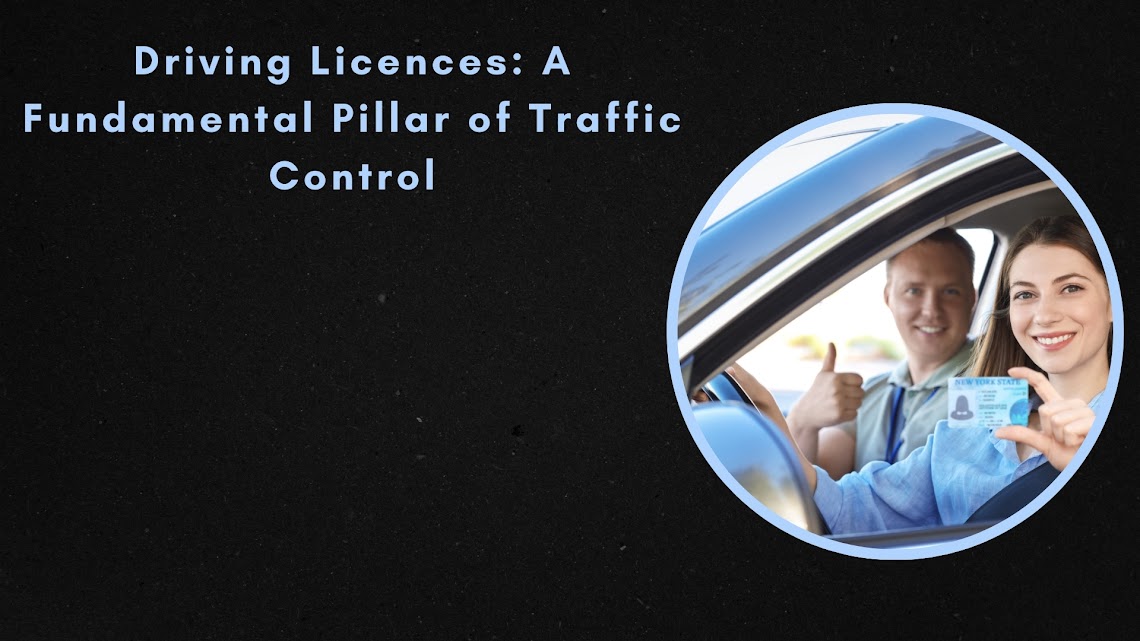
A driving licence is an official document issued by a government authority that permits an individual to operate specific categories of motor vehicles on public roads. Issuance is based on strict criteria, including age eligibility, medical fitness, theoretical knowledge, and practical driving ability.
This legal framework ensures that only individuals who meet defined safety standards are allowed to drive. While licensing laws vary across countries, carrying a valid licence while driving is universally mandatory.
1.2 Ensuring Accountability and Regulation
Driving licences enable governments to maintain centralized records of drivers and their conduct. These records help authorities track violations, penalize repeat offenders, and suspend or cancel licences when necessary. Without such a system, enforcing traffic discipline and maintaining road safety would be extremely difficult.
2. Driving Licences and Driver Competency
2.1 Skill Evaluation and Certification
One of the main objectives of a driving licence is to certify that a driver has adequate knowledge and skill to operate a vehicle safely. The licensing process generally includes:
- Written or digital tests on traffic rules, road signs, and safety norms
- Practical driving tests to assess control, awareness, and hazard response
- Learner permit stages that allow supervised driving experience
This structured evaluation ensures drivers are prepared for real-world traffic conditions.
2.2 Continuous Learning and Awareness
In many regions, periodic licence renewals, refresher courses, or re-testing are required—particularly for commercial drivers and senior citizens. These measures encourage lifelong learning and help drivers stay updated with changing traffic laws and vehicle technologies.
3. Driving Licences as an Enforcement Tool
3.1 Penalty Points and Licence Actions
Traffic violations are commonly recorded against a driver’s licence. Offences such as overspeeding, drunk driving, reckless behaviour, and signal jumping result in penalty points or fines.
Accumulating excessive penalty points can lead to licence suspension or cancellation. This system acts as both punishment and deterrence, encouraging safer driving habits.
3.2 Roadside Verification and Policing
Traffic authorities regularly conduct licence checks during inspections. These checks confirm:
- Authorization to drive a specific vehicle category
- Validity and expiry status of the licence
- Past violations or legal restrictions
With digital databases, officers can now verify licence details instantly, strengthening enforcement efficiency.
4. Licence Classification and Safety Restrictions
4.1 Vehicle-Based Licensing Categories
Driving licences are issued according to vehicle type and usage, such as:
- Two-wheelers
- Light motor vehicles (private cars)
- Commercial vehicles (buses, trucks)
- Specialized vehicles (tractors, emergency vehicles)
This classification ensures drivers receive appropriate training for the vehicles they operate.
4.2 Health and Age Requirements
Licensing authorities impose medical fitness checks to assess vision, physical ability, and mental alertness. Age limits also apply to different vehicle categories, ensuring drivers meet minimum safety criteria.
5. Technology and Modern Traffic Enforcement
5.1 Digital Licences and Smart Cards
The adoption of digital licences and smart cards has improved security and transparency. These licences store encrypted data, driving history, and biometric details, making forgery and misuse difficult.
5.2 Integration with Surveillance Systems
Driving licence databases are now linked with traffic cameras, speed detection systems, and number plate recognition technology. When violations occur, authorities can instantly identify the driver and issue electronic challans.
5.3 Online Services and Mobile Access
Digital platforms allow drivers to:
- Check licence validity and status
- Pay fines online
- Apply for renewals or duplicates
- Access road safety education
This digitization simplifies compliance while strengthening regulatory oversight.
6. Preventing Unsafe and Illegal Driving
6.1 Tackling Unlicensed Driving
Driving without a valid licence poses serious safety risks. Authorities use verification systems to identify offenders and impose strict penalties, including fines, vehicle seizure, and imprisonment.
6.2 Combating Licence Fraud
Modern licences incorporate advanced security features such as holograms, biometric verification, and real-time authentication. These measures significantly reduce identity fraud and fake licences.
7. Driving Licences in Commercial Transportation
7.1 Professional Training Standards
Commercial drivers must undergo specialized training in areas such as defensive driving, load safety, and emergency handling. Their licences reflect these additional qualifications.
7.2 Fleet Monitoring and Compliance
Fleet operators monitor driver behavior using telematics systems. Combined with licence verification, this ensures regulatory compliance and safer transportation practices.
8. International Cooperation and Road Safety
8.1 International Driving Permits (IDPs)
IDPs allow drivers to operate vehicles abroad by confirming the validity of their domestic licences under international standards.
8.2 Cross-Border Recognition
Many countries recognize foreign licences through bilateral agreements, ensuring smoother travel while maintaining road safety enforcement.
9. Reforms and Innovations in Licensing
9.1 Graduated Licensing Systems
Graduated licensing introduces new drivers to the road in phases, reducing risk through controlled exposure and restrictions.
9.2 Re-Testing at Renewal
Some jurisdictions require re-testing during licence renewal, particularly for elderly drivers, to ensure continued fitness and safety.
9.3 Behaviour-Based Licensing Models
Innovative approaches such as reward systems for safe driving, insurance-linked driver scores, and app-based assessments are being explored to encourage responsible behavior.
10. Role of Driving Licences in Legal Proceedings
10.1 Accident Investigation
Driving licences help authorities verify identity, determine responsibility, and access driving history during accident investigations.
10.2 Legal and Financial Liability
Drivers operating without valid licences face criminal penalties. Insurance claims may also be rejected, placing financial responsibility on the offender.
Know more about:- Know the process of Driving Licence renewal in India
Conclusion
Driving licences are far more than administrative documents—they are essential instruments of traffic regulation and public safety. By certifying competence, enabling enforcement, supporting legal processes, and integrating with modern technology, driving licences help maintain order on the roads.
A robust and evolving licensing system ensures that drivers remain accountable, informed, and capable. As transportation systems continue to advance, effective driving licence frameworks will remain central to reducing accidents, protecting lives, and fostering a culture of responsible mobility.