Facial hair has long been associated with maturity, confidence, and personal style. For many men, growing a full, even beard feels like an important part of their identity. However, not everyone is naturally blessed with uniform beard growth. Genetics, hormonal factors, scars, or past skin conditions can all contribute to patchy or uneven facial hair. While grooming tricks and topical products may temporarily improve appearance, they rarely address the root cause. This is where modern medical solutions have quietly transformed expectations. A beard transplant has emerged as a reliable option for men seeking a natural, long-lasting way to restore facial hair density. Rather than chasing temporary fixes, more people are choosing a procedure that works with their own hair to achieve realistic, long-term results.
Understanding Why Beard Hair Grows Unevenly
Patchy beard growth is far more common than most people realize. In many cases, genetics plays the biggest role, determining how hair follicles are distributed across the face. Some areas may have dense follicles, while others have very few or none at all. Hormonal imbalances can also influence growth patterns, particularly during puberty and early adulthood.
Scars from acne, injuries, or surgical procedures may permanently damage hair follicles, preventing regrowth in those areas. Certain medical conditions and prolonged stress can further disrupt the natural hair cycle. When these factors are combined, they often lead to frustration and self-consciousness, especially for individuals who value a well-defined beard.
What Exactly Is a Beard Transplant?
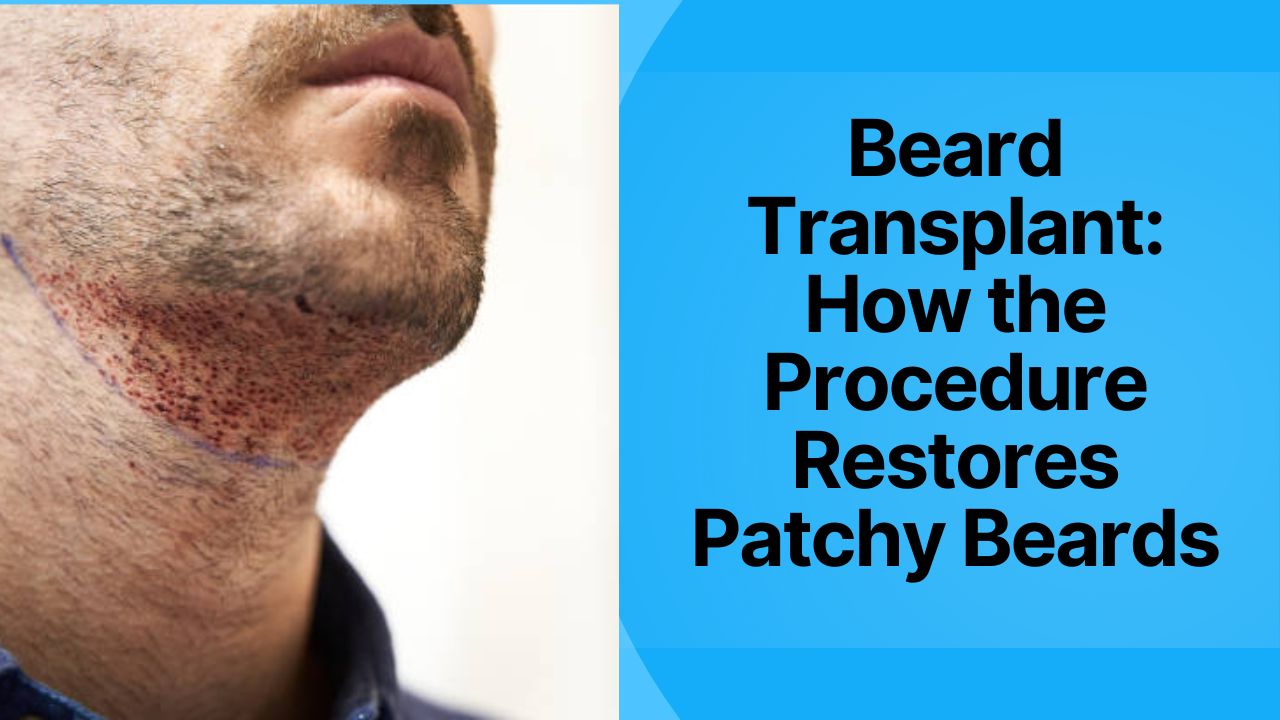
A beard transplant is a minimally invasive method that moves healthy hair follicles from one part of the body—usually the back of the scalp—to areas of the face with little or no hair growth. Because the transplanted hair comes from the patient’s own body, it blends naturally with existing facial hair.
The goal is not to create an artificial look, but to restore balance and density in a way that complements the face shape. Modern techniques focus on precise placement, ensuring the angle and direction of each hair match natural beard growth patterns.
How the Procedure Works Step by Step
Initial Assessment and Planning
Before the procedure, a detailed consultation is conducted to understand the patient’s expectations, facial structure, and hair characteristics. The surgeon maps out the beard design, taking into account density, symmetry, and natural growth direction.
Implantation Process
Each follicle is then implanted into the patchy areas of the beard. Precision is crucial here, as even slight variations in angle can affect the final appearance. This stage largely determines how natural the beard will look once fully grown.
Recovery and What to Expect Afterward
Recovery from a beard transplant is generally straightforward. Mild redness and swelling may appear for a few days, but these symptoms typically subside quickly. Tiny scabs form around the implanted follicles and fall off naturally within a week or two.
It’s normal for transplanted hairs to shed in the first few weeks. This phase can be surprising, but it’s a standard part of the process. New, permanent hair growth usually begins within three to four months, with visible improvements continuing for up to a year.
Who Is an Ideal Candidate?
Not everyone is automatically suited for the procedure. Ideal candidates are individuals with sufficient donor hair, good overall health, and realistic expectations. Men dealing with patchy growth due to genetics or scarring often see the most noticeable improvements.
A beard transplant is also an option for those who have tried other methods without success and are looking for a long-term solution rather than temporary cosmetic coverage.
Natural Results That Improve Confidence
One of the most compelling aspects of a beard transplant is how seamlessly it integrates with existing facial hair. Once fully developed, the transplanted hair can be shaved, trimmed, and styled just like a natural beard. This flexibility allows people to experiment with different looks without worrying about visible gaps.
Clinics such as Beverly Hills Hair Restoration are known for emphasizing natural design principles and careful planning, which helps patients achieve results that look authentic rather than overdone.
Conclusion
Choosing to address patchy facial hair is a personal decision, often rooted in both appearance and confidence. A beard transplant offers a scientifically grounded, long-lasting solution that goes beyond surface-level fixes. By redistributing healthy hair follicles to areas where growth is lacking, the procedure restores balance and creates a fuller, more even beard. The process is carefully planned, minimally invasive, and designed to produce natural-looking results that continue to improve over time. For men who have struggled with uneven beard growth despite years of effort, this approach provides clarity and consistency. Ultimately, the value of the procedure lies not just in the beard itself, but in the renewed confidence it brings.