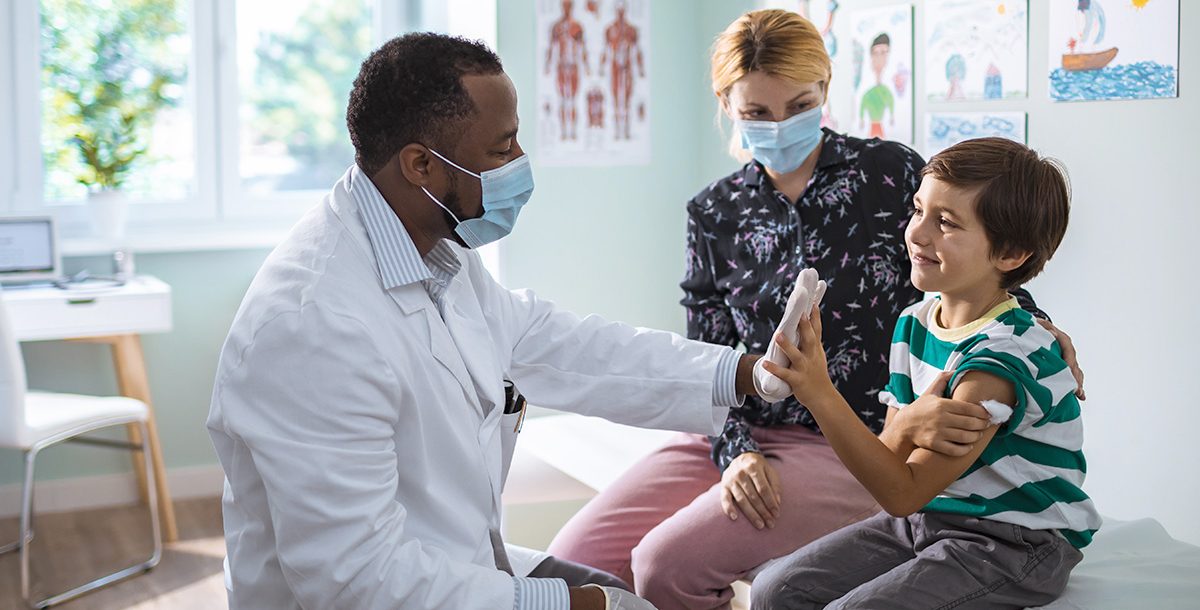
Primary care is the foundation of good health. For families seeking comprehensive and continuous healthcare, a reliable primary care clinic plays a crucial role. At First Care Family Clinic, patients receive personalized medical attention that goes beyond simple check ups. From preventive care to chronic disease management, primary care ensures that your health is monitored, maintained, and improved over time. In this article, we explore the essential services offered by modern primary care clinics and why they are vital for your family’s well being.
Understanding Primary Care
Primary care is the first point of contact for patients seeking medical services. It focuses on the overall health of individuals and families, emphasizing preventive care, early detection, and management of chronic conditions. Unlike specialty care, primary care provides a comprehensive approach, addressing both immediate health concerns and long term wellness.
By establishing a relationship with a primary care provider, patients gain access to consistent monitoring, personalized advice, and coordinated referrals when specialized treatment is needed. This continuity of care enhances both physical and mental health outcomes.
Core Services Offered in Primary Care
Modern primary care clinics have expanded their services to meet the diverse needs of patients. These services are designed to maintain health, manage illness, and provide education for better lifestyle choices.
- Preventive Care and Routine Check Ups
Preventive care is the cornerstone of primary care. Routine check ups, physical exams, and health screenings help detect problems early, before they become serious. Patients are advised on diet, exercise, and lifestyle modifications to reduce the risk of chronic diseases. - Chronic Disease Management
Conditions such as diabetes, hypertension, asthma, and heart disease require ongoing monitoring. Primary care providers develop individualized management plans, adjust medications, and track progress to prevent complications. Regular visits ensure patients stay on track with treatment and maintain quality of life. - Vaccinations and Immunizations
From children to adults, vaccines protect against common and preventable illnesses. Primary care clinics ensure that immunization schedules are followed and provide guidance on seasonal flu shots, travel vaccines, and booster doses. - Lab Testing and Diagnostic Services
Blood tests, urine analysis, and other diagnostic screenings are readily available in primary care. Quick access to lab results enables timely diagnosis and treatment of medical conditions, ensuring better patient outcomes. - Women’s and Men’s Health Services
Primary care includes gender specific health services such as Pap smears, prostate screenings, mammograms, and hormone management. These services ensure that patients receive holistic care that addresses unique health needs.
Specialized Services in Modern Primary Care
In addition to general care, many clinics offer specialized services that enhance patient experience and health outcomes.
- Behavioral and Mental Health Support
Mental health is an integral part of overall wellness. Primary care providers screen for anxiety, depression, and other mental health conditions, providing counseling or referrals to specialists when necessary. - Nutritional and Lifestyle Counseling
Proper nutrition and healthy lifestyle choices are critical for disease prevention and weight management. Primary care providers educate patients on diet, physical activity, and habit formation to improve overall health. - Telehealth and Virtual Care
Modern clinics often include telehealth options, allowing patients to consult their providers remotely. This convenience ensures that healthcare remains accessible even when patients cannot visit the clinic physically.
Why Families Choose Primary Care
Families rely on primary care clinics because they offer comprehensive, accessible, and consistent care for all members.
- Continuity of Care
By visiting the same primary care provider, patients benefit from a thorough understanding of their medical history. This familiarity allows for more accurate diagnoses and effective treatment plans. - Coordinated Referrals
Primary care providers coordinate with specialists when advanced care is needed. This ensures patients receive appropriate treatment without unnecessary delays or confusion. - Family Focused Approach
Clinics that focus on family healthcare provide age specific care, ensuring children, adults, and seniors receive appropriate attention tailored to their needs. - Cost Effective and Efficient
Preventive care and early interventions reduce hospitalizations and emergency visits, saving time and money while improving long term health.
Benefits of Modern Primary Care Services
Modern primary care goes beyond treating illnesses; it enhances overall wellness and improves quality of life.
- Early Detection and Prevention
Routine screenings and check ups catch diseases early, when treatment is most effective. - Personalized Health Plans
Providers develop care plans tailored to individual health goals, lifestyle, and risk factors. - Integrated Health Services
With lab testing, vaccinations, and counseling in one place, patients receive comprehensive care conveniently. - Enhanced Patient Education
Patients learn about their health, empowering them to make informed decisions and maintain healthier habits.
Common Questions About Primary Care
- How often should I visit my primary care provider?
Routine check ups are typically recommended once a year, but patients with chronic conditions may require more frequent visits. - Can primary care providers treat children?
Yes, pediatric care is an essential part of family focused primary care. - What if I need a specialist?
Primary care providers coordinate referrals to specialists and follow up on treatment to ensure continuity of care. - Are telehealth visits as effective as in person consultations?
Telehealth is convenient for non urgent issues, follow ups, and counseling, but in person visits may be required for physical exams or procedures.
Conclusion
Modern primary care clinics provide comprehensive services that address the health needs of the entire family. From routine check ups and preventive care to chronic disease management and telehealth support, these clinics ensure that patients receive continuous, coordinated, and personalized healthcare. At First Care Family Clinic, primary care is more than a medical service; it is a commitment to the long term health and wellness of families. Choosing a modern primary care clinic means investing in a healthier future through expert guidance, accessible services, and compassionate care.
FAQs
Q1. What is the difference between primary care and urgent care?
Primary care focuses on continuous, preventive, and comprehensive healthcare, while urgent care addresses immediate, non life threatening medical issues.
Q2. Are vaccinations available at primary care clinics?
Yes, primary care clinics provide immunizations for children, adults, and travel purposes.
Q3. Can primary care providers help manage chronic illnesses?
Absolutely. They develop management plans, monitor conditions, and coordinate with specialists if needed.
Q4. Is telehealth available at modern primary care clinics?
Yes, many clinics offer telehealth for consultations, follow ups, and certain non urgent issues.
Q5. How does primary care improve overall family health?
By providing preventive care, routine screenings, lifestyle guidance, and continuous monitoring, primary care promotes long term wellness for all family members.