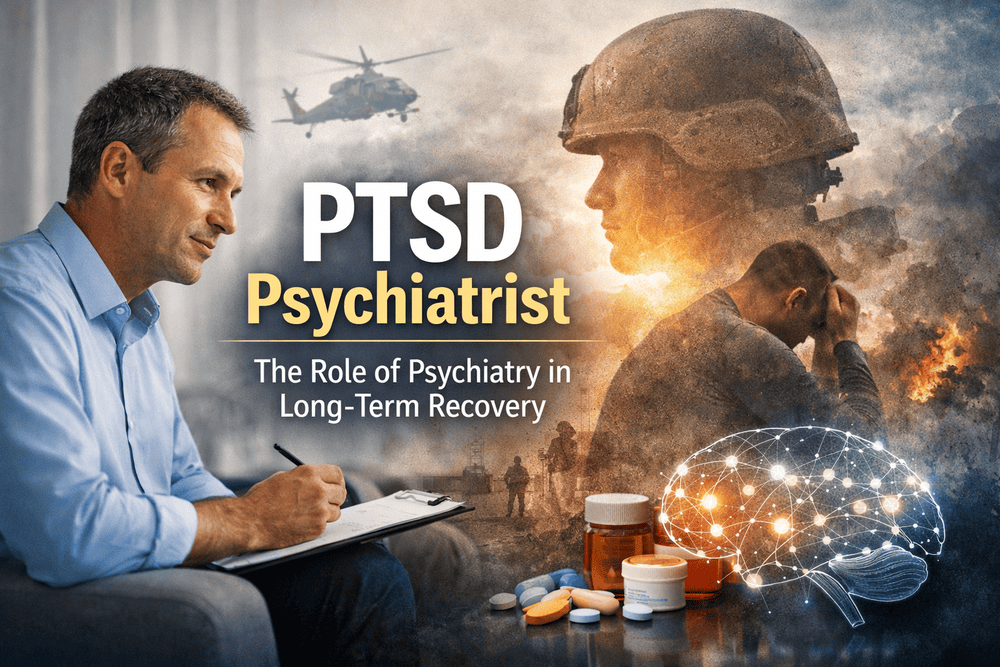
Post-traumatic stress disorder (PTSD) is a complex mental health condition that can profoundly affect a person’s emotional well-being, relationships, and ability to function day to day. In Australia, PTSD affects people from all walks of life, including veterans, first responders, survivors of abuse, accident victims, and those who have experienced significant trauma.
While PTSD can feel overwhelming, long-term recovery is possible with the right professional support. A PTSD psychiatrist plays a critical role in diagnosing the condition, managing symptoms, and supporting sustained recovery through evidence-based psychiatric care.
This article explores how psychiatry supports long-term PTSD recovery, what a PTSD psychiatrist does, and how Australians can access effective mental health care.
Understanding PTSD and Its Long-Term Impact
PTSD develops after exposure to a traumatic event such as violence, serious injury, sexual assault, natural disasters, or military combat. While many people experience distress after trauma, PTSD lives.
Common PTSD Symptoms
PTSD symptoms are typically grouped into four categories:
- Intrusive symptoms: flashbacks, nightmares, unwanted memories
- Avoidance: avoiding reminders of trauma, emotional numbing
- Negative mood and cognition changes: guilt, shame, detachment, depression
- Hyperarousal: irritability, sleep problems, hypervigilance, panic
Without appropriate treatment, PTSD can become chronic, leading to long-term mental health challenges such as depression, anxiety disorders, substance use, and increased risk of self-harm.
What Is a PTSD Psychiatrist?
A PTSD psychiatrist is a medical doctor specializing in mental health who is trained to assess, diagnose, and treat trauma-related disorders. Unlike psychologists, psychiatrists can prescribe medication and manage complex mental health conditions that often coexist with PTSD.
In Australia, psychiatrists are regulated by the Medical Board of Australia and often work in private practices, hospitals, community clinics, and telehealth services.
The Role of a PTSD Psychiatrist in Long-Term Recovery
Long-term PTSD recovery requires more than short-term symptom relief. A PTSD psychiatrist focuses on stabilization, healing, and sustained improvement over time.
1. Accurate Diagnosis and Assessment
PTSD symptoms often overlap with other mental health conditions such as:
- Major depressive disorder
- Generalized anxiety disorder
- Panic disorder
- Substance use disorders
- Complex PTSD (C-PTSD)
A PTSD psychiatrist conducts comprehensive psychiatric assessments, including trauma history, symptom patterns, and functional impact. Accurate diagnosis ensures that treatment targets the root cause rather than just surface symptoms.
2. Medication Management for PTSD
Medication can be a vital part of long-term PTSD treatment, particularly for individuals with severe or persistent symptoms.
Common Medications Prescribed by a PTSD Psychiatrist
- SSRIs and SNRIs: Often first-line medications to reduce anxiety, depression, and intrusive thoughts
- Sleep-targeted medications: To address nightmares and insomnia
- Mood stabilizers or adjunct medications: In cases of emotional dysregulation or comorbid conditions
A PTSD psychiatrist carefully monitors medication effectiveness, side effects, and interactions, adjusting treatment as recovery progresses.
Medication alone is rarely sufficient, but when combined with therapy, it can significantly improve quality of life.
3. Coordinating Trauma-Focused Therapy
While psychiatrists do not always provide weekly therapy sessions, they play a crucial role in coordinating psychological treatment.
A PTSD psychiatrist may recommend evidence-based therapies such as:
- Trauma-focused cognitive behavioural therapy (TF-CBT)
- Eye movement desensitization and reprocessing (EMDR)
- Schema therapy
- Acceptance and commitment therapy (ACT)
By collaborating with psychologists and therapists, psychiatrists ensure that treatment remains cohesive and aligned with long-term recovery goals.
4. Managing Complex and Treatment-Resistant PTSD
Some individuals experience treatment-resistant PTSD, where symptoms persist despite standard interventions. A PTSD psychiatrist is trained to manage these complex cases by:
- Reviewing previous treatments
- Adjusting medication strategies
- Addressing co-occurring disorders
- Exploring advanced or combination treatment approaches
This expertise is particularly important for individuals with long-standing trauma, repeated exposure, or childhood trauma histories.
5. Supporting Recovery Across Life Stages
PTSD does not remain static; symptoms can change with life stressors such as parenting, career changes, health issues, or relationship challenges.
A PTSD psychiatrist provides ongoing care that adapts over time, supporting:
- Relapse prevention
- Stress management strategies
- Sleep regulation
- Emotional resilience
This long-term psychiatric relationship can be a stabilizing factor in sustained recovery.
PTSD Psychiatry in the Australian Healthcare System
Australia offers multiple pathways for accessing psychiatric care for PTSD.
Medicare and Mental Health Care Plans
With a GP referral, Australians can access psychiatric services under Medicare. While rebates apply, out-of-pocket costs vary depending on the psychiatrist and service model.
Psychiatrists may work alongside psychologists under Mental Health Care Plans, ensuring integrated treatment.
Telehealth Psychiatry for PTSD
Telehealth psychiatry has become increasingly popular across Australia, particularly for individuals in regional or remote areas.
Benefits of telehealth PTSD psychiatry include:
- Improved access to specialists
- Reduced travel and wait times
- Continuity of care
- Privacy and comfort
For many Australians, telehealth has made seeing a PTSD psychiatrist more practical and consistent.
When Should You See a PTSD Psychiatrist?
You may benefit from seeing a PTSD psychiatrist if:
- PTSD symptoms persist longer than one month
- Daily functioning is significantly impaired
- You experience severe anxiety, depression, or suicidal thoughts
- Previous therapy has not been effective
- Medication management is required
Early psychiatric intervention can prevent symptom escalation and reduce the risk of chronic PTSD.
PTSD Psychiatrist vs Psychologist: Understanding the Difference
Both professionals play essential roles in PTSD recovery, but their responsibilities differ.
| PTSD Psychiatrist | Psychologist |
| Medical doctor | Allied health professional |
| Diagnoses complex conditions | Cannot prescribe medication |
| Can prescribe medication | Provides structured therapy |
| Manages comorbid disorders | Focuses on behavioural change |
Many Australians achieve the best outcomes through combined care, where a PTSD psychiatrist oversees medical treatment while a psychologist delivers trauma-focused therapy.
Long-Term Recovery: What Success Looks Like
Long-term PTSD recovery does not mean erasing trauma memories. Instead, it involves:
- Reduced symptom intensity
- Improved emotional regulation
- Better sleep and concentration
- Restored relationships and work functioning
- Increased sense of safety and control
A PTSD psychiatrist helps guide this journey with realistic goals, medical expertise, and ongoing support.
Reducing Stigma Around Psychiatric Care
Despite growing awareness, stigma still prevents some Australians from seeking psychiatric help. Seeing a PTSD psychiatrist is not a sign of weakness, it is a proactive step toward recovery.
Psychiatry focuses on understanding how trauma affects the brain and nervous system and using science-based treatments to restore balance and wellbeing.
Choosing the Right PTSD Psychiatrist
When looking for a PTSD psychiatrist in Australia, consider:
- Experience with trauma and PTSD
- Collaborative approach with psychologists
- Clear communication and treatment planning
- Telehealth availability if needed
- Transparent fees and Medicare options
Organizations like ExpertMinds highlight the importance of trauma-informed psychiatric care that prioritizes long-term recovery rather than short-term symptom suppression.
Final Thoughts
PTSD can feel like a lifelong burden, but recovery is possible with the right care. A PTSD psychiatrist plays a vital role in long-term healing by providing accurate diagnosis, medication management, and coordinated treatment that evolves with your needs.
For Australians living with PTSD, psychiatric support offers not just symptom relief, but a pathway toward stability, resilience, and renewed quality of life. Seeking help is not the end of independence, it is the beginning of recovery.