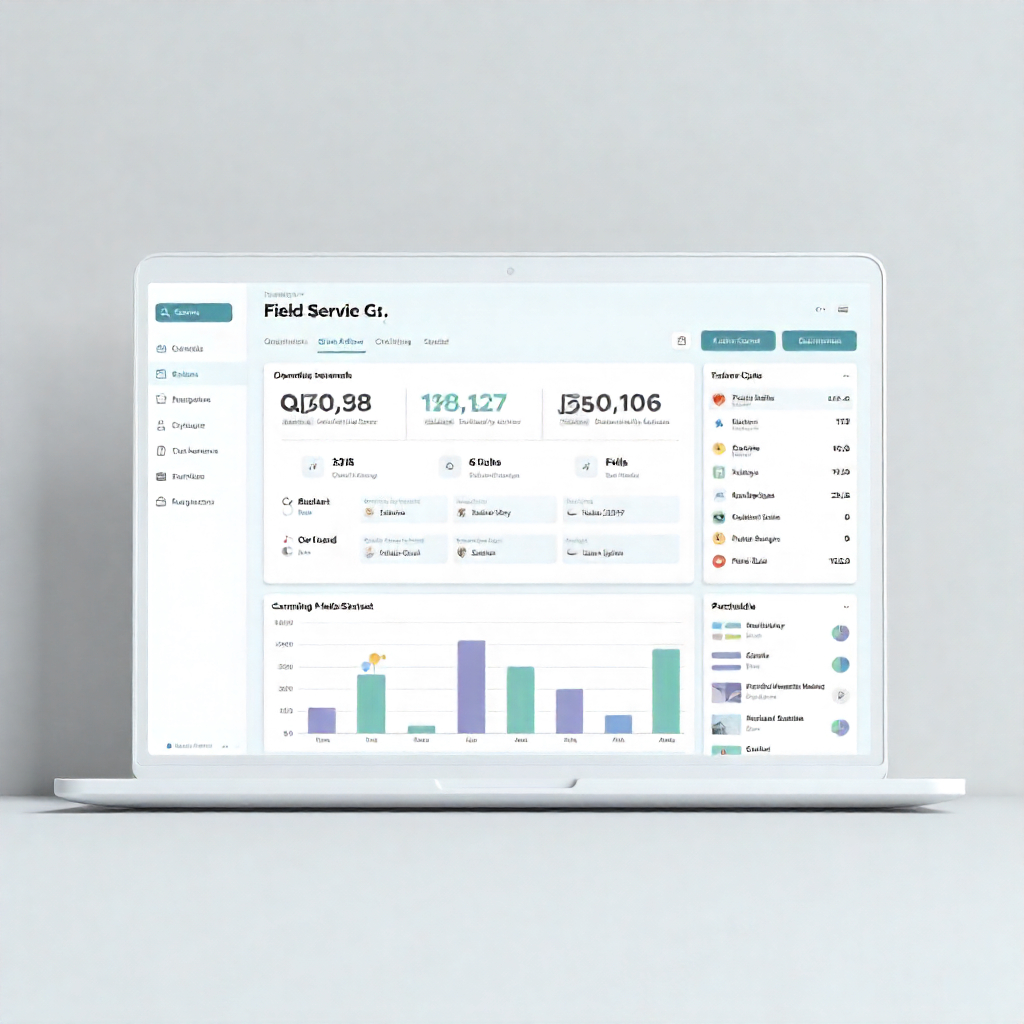
Energy and utilities organizations operate in some of the most complex service environments. They manage large physical assets, distributed workforces, strict regulatory requirements, and customers who expect uninterrupted service. At the same time, aging infrastructure and rising demand increase pressure on field service teams. As a result, digital transformation has become a priority across the sector.
Field Service Customer Relationship Management systems now sit at the center of this transformation. A modern field service CRM connects customers, assets, technicians, and operations through a single platform. When implemented correctly, it improves response times, reduces operational costs, and enhances service reliability. Therefore, utilities increasingly view CRM as a strategic asset rather than a support tool.
However, real value emerges when field service CRM systems integrate with planning, scheduling, and collaboration platforms. These integrations enable end-to-end visibility and automation. Consequently, organizations can deliver reliable service while meeting regulatory and sustainability goals.
Why Field Service CRM Matters in Energy and Utilities
Energy and utility services are mission critical. Outages, delays, or safety incidents carry serious consequences. Field service CRM systems provide real-time insight into customer issues, asset conditions, and technician availability. This visibility supports faster and more informed decision-making.
Additionally, customer expectations continue rising. Consumers want accurate outage updates, proactive maintenance, and transparent communication. CRM platforms centralize customer data, enabling consistent engagement across channels. As a result, trust and satisfaction improve.
Many utilities also rely on project and workforce management tools to coordinate field operations. Learning how to connect monday with Salesforce helps align service tasks, work orders, and customer records. This connection ensures planners, dispatchers, and technicians share accurate information. Therefore, service execution becomes more predictable and efficient.
Field service CRM also supports compliance. Detailed service histories, audit trails, and asset records simplify regulatory reporting. This capability reduces risk while improving operational discipline.
Core Capabilities of Field Service CRM Systems
Field service CRM platforms deliver a range of capabilities tailored to energy and utilities operations. Each feature addresses specific operational challenges.
Work Order Management
Work order management forms the backbone of field service operations. CRM systems create, assign, and track work orders automatically. Dispatchers view priorities, locations, and technician skills in real time.
This automation reduces manual coordination significantly. It also ensures the right technician reaches the right job. Consequently, first-time fix rates improve and repeat visits decline.
Scheduling and Dispatch Optimization
Energy and utility networks span wide geographic areas. Efficient scheduling is essential. Field service CRM systems use data-driven scheduling to minimize travel time and downtime.
Advanced platforms incorporate traffic, weather, and asset criticality. Dispatchers adjust schedules dynamically as conditions change. Therefore, response times remain consistent even during peak demand.
Asset and Infrastructure Management
Utilities manage thousands of assets across grids, pipelines, and facilities. Field service CRM systems integrate asset data directly into service workflows.
Technicians access asset histories, manuals, and sensor data on mobile devices. This context enables accurate diagnosis and faster resolution. Additionally, predictive maintenance becomes possible through data analysis.
Asset-centric CRM workflows also support lifecycle management. Maintenance schedules align with asset health rather than fixed intervals. As a result, reliability improves while costs decline.
Mobile Enablement for Field Technicians
Field technicians operate in remote and challenging environments. Mobile CRM access empowers them with real-time information.
Technicians receive work orders, maps, and safety instructions on mobile devices. They update job status, capture photos, and collect signatures instantly. This immediacy reduces paperwork and errors.
Offline functionality remains critical. Field service CRM platforms sync data once connectivity restores. Therefore, productivity remains high even in low-coverage areas.
Customer Communication and Experience
Customer experience has become a differentiator in energy and utilities. Field service CRM systems centralize communication history and preferences.
Automated notifications inform customers about outages, arrival times, and resolution updates. Transparency reduces frustration and call center volume. Moreover, personalized communication builds long-term trust.
CRM platforms also support self-service portals. Customers track requests and view service history independently. This empowerment improves satisfaction while lowering operational costs.
Integration with IoT and Smart Grid Systems
The rise of smart grids and IoT devices has transformed field service operations. Field service CRM systems integrate sensor data directly into workflows.
Smart meters and sensors generate real-time alerts. CRM platforms convert these alerts into service requests automatically. Technicians respond proactively before failures escalate.
This integration shifts operations from reactive to predictive. Over time, predictive maintenance reduces outages and extends asset life. Therefore, integration with IoT systems represents a major strategic advantage.
Analytics and Performance Management
Data-driven decision-making defines modern utilities. Field service CRM analytics provide insights into performance and efficiency.
Dashboards track key metrics such as response time, resolution rates, and technician productivity. Managers identify bottlenecks quickly. This visibility supports continuous improvement.
Predictive analytics also guide workforce planning. CRM systems forecast demand based on historical trends and weather patterns. Consequently, staffing aligns better with service needs.
Safety and Compliance Management
Safety remains paramount in energy and utilities. Field service CRM systems embed safety protocols into workflows.
Checklists, permits, and compliance forms appear automatically during job execution. Technicians confirm completion digitally. This standardization reduces incidents and liability.
Audit trails capture every action and update. Regulators and internal auditors access accurate records easily. Therefore, compliance becomes a built-in capability rather than an afterthought.
Challenges in Implementing Field Service CRM
Despite benefits, implementation presents challenges. Legacy systems and siloed data complicate integration efforts. Data migration requires careful planning and validation.
Change management also plays a significant role. Field technicians may resist new tools initially. Training and communication become essential for adoption.
Additionally, customization must balance flexibility and simplicity. Overly complex workflows can reduce usability. Successful implementations prioritize user experience alongside functionality.
Best Practices for Successful Deployment
Utilities that succeed with field service CRM follow proven practices. First, they define clear business objectives. These goals guide configuration and integration choices.
Second, they involve field technicians early. Feedback from end users improves usability and adoption. Third, they phase implementations gradually to reduce disruption.
Finally, they invest in ongoing optimization. Field service needs evolve with technology and regulations. Continuous improvement ensures long-term value.
The Future of Field Service CRM in Energy and Utilities
Emerging technologies will expand field service CRM capabilities further. Artificial intelligence will automate diagnostics and dispatch decisions. Augmented reality will support remote assistance and training.
Integration ecosystems will also mature. Low-code platforms will simplify connections between CRM, IoT, and workforce tools. As a result, innovation cycles will accelerate.
Sustainability goals will influence CRM strategies as well. Energy efficiency metrics and carbon tracking will integrate into service workflows. Field service CRM will support both operational and environmental objectives.
Conclusion
Field service CRM has become essential for energy and utilities organizations. It connects customers, assets, and technicians through unified workflows. This integration improves reliability, efficiency, and customer satisfaction.
From work order automation to predictive maintenance and analytics, CRM systems address complex operational challenges. While implementation requires planning and change management, benefits outweigh the effort.
As energy systems modernize, field service CRM will play a central role. Organizations that invest strategically will deliver safer, faster, and more transparent service. In a sector defined by trust and reliability, field service CRM represents a critical foundation for future success