Causes and Home Remedies
Brown surface stains on teeth can quietly steal the brightness from your smile. They often start small, showing up as faint spots or streaks, but over time they can become more noticeable. The good news is that most surface stains are preventable and, in many cases, treatable right at home with the right habits and care.
What Are Brown Surface Stains on Teeth
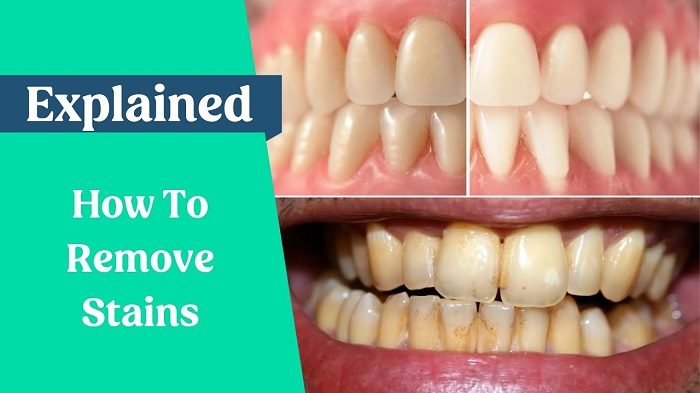
Brown surface stains affect the outer layer of the tooth called enamel. Unlike deep internal discoloration, these stains sit on the surface and are usually caused by lifestyle choices. They do not always signal tooth decay, but they can make teeth look dull or unhealthy if ignored.
Common Causes of Brown Surface Stains
One of the most common causes is frequent consumption of dark-colored drinks such as coffee, tea, cola, and red wine. These beverages contain pigments that cling to enamel, especially when teeth are not cleaned properly. Smoking and tobacco use are also major contributors. Nicotine and tar leave stubborn brown spots on teeth that build up over time. Poor oral hygiene, including irregular brushing and flossing, allows plaque to harden into tartar, which often appears brown or yellow along the gum line. Certain foods like soy sauce, berries, and dark sauces can stain teeth as well. Even some medications and excessive fluoride exposure during tooth development may lead to brown discoloration on the tooth surface.
Are Brown Surface Stains a Health Concern
In most cases, surface stains are more of a cosmetic issue than a medical one. However, they can sometimes mask plaque buildup or early decay. If stains are rough to the touch or appear suddenly, it is wise to pay closer attention, as they may signal underlying dental problems.
Home Solutions to Reduce Brown Stains
Improving daily oral hygiene is the first and most effective step. Brushing twice a day with a fluoride toothpaste helps remove surface stains before they settle. Using an electric toothbrush can be especially helpful for thorough cleaning. Baking soda is a popular home remedy because of its mild abrasive properties. Brushing gently with baking soda once or twice a week can help lift surface stains. Another option is oil pulling with coconut oil, which may reduce bacteria and plaque when done consistently. Limiting stain-causing foods and drinks also makes a noticeable difference. Rinsing your mouth with water after consuming dark beverages helps prevent pigments from sticking to enamel. Using a straw for drinks like iced coffee or soda can further reduce contact with teeth.
When to Consider Professional Help
If home remedies do not improve the appearance of your teeth, professional cleaning may be needed. Dentists can safely remove tartar and stubborn stains that brushing alone cannot handle. Regular dental checkups ensure that stains are not hiding more serious issues.
Preventing Future Tooth Stains
Prevention is all about consistency. Maintaining good oral hygiene, avoiding tobacco, and scheduling routine dental cleanings go a long way. Small daily habits, when practiced regularly, help protect your enamel and keep your smile bright. Brown surface stains may be common, but they do not have to be permanent. With mindful care and simple home solutions, you can restore the natural look of your teeth and smile with confidence again.
Hard Plaque on Teeth What You Need to Know
Hard plaque on teeth is a common dental concern that many people notice but often ignore until it becomes uncomfortable or unsightly. This hardened buildup, also known as tartar, forms when soft plaque is left on teeth for too long. Understanding how it develops and how to manage it can help you protect both your smile and your overall oral health.
What Is Hard Plaque on Teeth
Plaque is a sticky film made of bacteria, food particles, and saliva that forms on teeth every day. When plaque is not removed through regular brushing and flossing, it absorbs minerals from saliva and hardens into tartar. Once plaque becomes hard, it firmly attaches to the tooth surface and cannot be removed with normal brushing.
Common Causes of Hard Plaque Buildup
Poor oral hygiene is the leading cause of hard plaque on teeth. Skipping brushing, flossing irregularly, or rushing through oral care allows plaque to stay in place long enough to harden. Diet also plays a role, especially foods high in sugar and starch that feed plaque-forming bacteria. Smoking and tobacco use significantly increase plaque buildup by reducing saliva flow and making teeth more prone to tartar formation. Dry mouth, caused by certain medications or dehydration, also raises the risk because saliva helps naturally wash away bacteria.
Why Hard Plaque Is a Problem
Hard plaque is more than just a cosmetic issue. Its rough surface attracts more bacteria, increasing the risk of cavities and gum disease. Tartar buildup along the gum line can irritate gums, leading to redness, swelling, and bleeding. Over time, this can progress into gingivitis or even periodontal disease if left untreated. In addition, hardened plaque often appears yellow or brown, making teeth look unhealthy and stained. It can also cause bad breath by trapping bacteria in hard-to-reach areas.
Can Hard Plaque Be Removed at Home
Once plaque hardens, it cannot be fully removed at home. Brushing and flossing can help prevent further buildup, but existing tartar requires professional dental tools for safe removal. Attempting to scrape it off yourself can damage enamel and irritate gums. However, good home care can slow down new tartar formation. Using a tartar-control toothpaste, brushing twice a day, flossing daily, and rinsing with an antibacterial mouthwash can all help keep plaque under control.
Professional Treatment for Hard Plaque
Dentists and dental hygienists remove hard plaque through a process called scaling. This involves specialized instruments that gently clean above and below the gum line. In more advanced cases, deep cleaning may be recommended to protect gum health. Regular dental cleanings every six months are the most effective way to prevent tartar from building up again. These visits also allow early detection of gum or tooth problems.
Preventing Hard Plaque in the Future
Prevention starts with consistency. Maintaining strong daily oral hygiene, limiting sugary foods, staying hydrated, and avoiding tobacco are key steps. Small changes in routine can make a big difference over time.
Hard plaque on teeth may seem harmless at first, but it can lead to serious dental issues if ignored. With proper care and regular professional support, you can keep your teeth clean, healthy, and free from stubborn buildup.
Conclusion
Hard plaque on teeth is a silent but serious oral health issue that develops when daily dental care is neglected. While it may begin as a harmless film, it quickly hardens into tartar that brushing alone cannot remove. Ignoring it can lead to gum disease, tooth decay, bad breath, and noticeable staining. The key to managing hard plaque is prevention through consistent oral hygiene and regular dental cleanings. By staying proactive and seeking professional care when needed, you can protect your teeth, maintain healthy gums, and keep your smile confident and bright.
FAQs
What causes plaque to harden on teeth?
Plaque hardens when it is not removed through brushing and flossing. Minerals in saliva cause soft plaque to calcify into tartar within a few days.
Can hard plaque damage teeth permanently?
Yes, if left untreated, hard plaque can contribute to cavities, gum disease, and even tooth loss over time by weakening enamel and supporting bacterial growth.
Is it possible to remove hard plaque at home?
No, once plaque becomes hard, it requires professional dental tools for safe removal. Home care helps prevent new buildup but cannot remove existing tartar.
How often should hard plaque be professionally removed?
Most people benefit from dental cleanings every six months. Those prone to plaque buildup may need more frequent visits.
Does hard plaque cause bad breath?
Yes, bacteria trapped in hard plaque can produce unpleasant odors, making bad breath a common side effect of tartar buildup.