This blog explains how flooding risks influence restoration strategies based on geography, infrastructure, and water contamination levels. It highlights why response speed, drying methods, and prevention planning differ between communities. Understanding these factors helps property owners make informed decisions during flood recovery in North Carolina.
–
Flooding is one of the most destructive water events affecting residential and commercial properties across North Carolina. Heavy rainfall, flash flooding, and drainage overflow can cause water to enter homes rapidly, damaging foundations, walls, and interior spaces. This is where water damage restoration Holly Springs NC becomes a critical factor in the middle of emergency preparedness because flooding patterns and land development directly affect how restoration teams respond. Understanding local flood risks helps property owners prepare for realistic recovery timelines and restoration strategies.
How Geographic Layout Influences Flood Exposure
Holly Springs features a mix of residential neighborhoods surrounded by natural landscapes, retention ponds, and expanding developments. Flooding in this area often results from surface water runoff and overwhelmed drainage systems during heavy storms. Morrisville, by comparison, includes denser development and proximity to major roadways and commercial zones, which can alter water flow patterns. These geographic differences influence how quickly water accumulates and how deeply it penetrates structures, shaping restoration priorities and response methods.
How Floodwater Entry Points Differ Between Communities
Floodwater does not enter every property the same way. Entry points vary based on elevation, construction style, and drainage design.
- Holly Springs homes may experience water intrusion through ground-level doors or foundation cracks
- Morrisville properties often see water entering through garages or shared drainage systems
- Crawl spaces in both locations are vulnerable to saturation
- Window wells and exterior vents can allow water entry during severe storms
Why Floodwater Contamination Levels Affect Restoration Methods
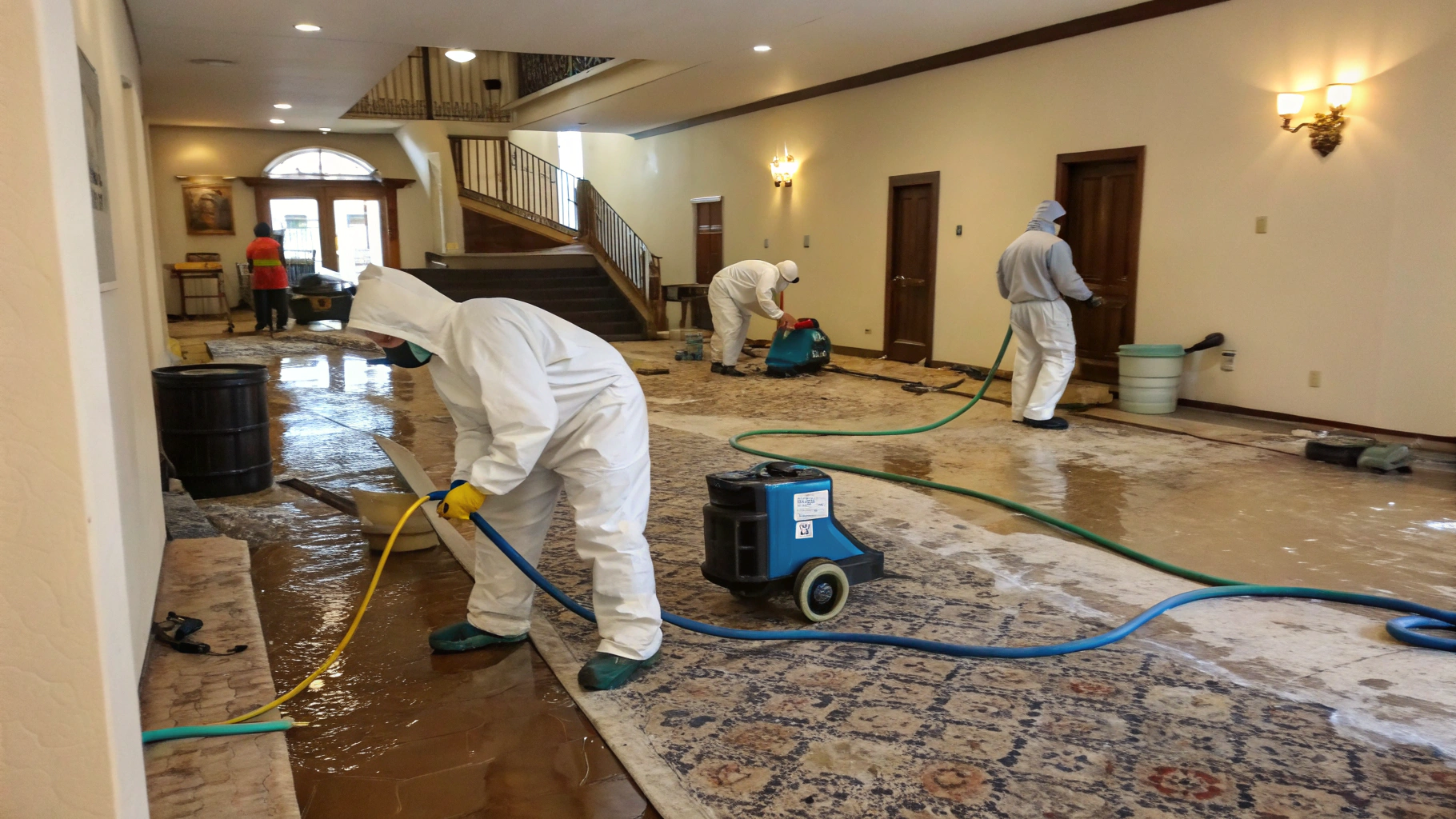
Floodwater is rarely clean and often contains debris, soil, and contaminants. In Holly Springs, flooding typically involves surface runoff that carries sediment and organic material. Morrisville flooding may involve mixed runoff from paved surfaces and commercial zones, increasing contamination risks. Restoration teams assess water category carefully to determine safety measures, cleaning protocols, and material removal needs. When water damage restoration is handled in the middle of flood recovery, technicians often prioritize sanitation and structural drying to prevent secondary damage.
How Drying and Structural Stabilization Timelines Vary
Flooding saturates building materials deeply, requiring extended drying periods. Holly Springs properties may allow easier airflow due to suburban layouts and detached homes. Morrisville properties with tighter spacing or shared structures may require more strategic equipment placement. Restoration teams monitor moisture levels continuously and adjust drying plans based on material type and saturation depth. These adjustments ensure that hidden moisture does not lead to mold growth or structural weakening.
Why Local Infrastructure Impacts Restoration Efficiency
Infrastructure plays a major role in how quickly restoration can begin. Holly Springs neighborhoods often allow easier access for equipment and service vehicles. Morrisville traffic density and zoning complexity can slow arrival times during widespread flooding events. Faster access allows earlier water extraction, which significantly reduces damage severity. Restoration providers familiar with local infrastructure can plan routes and staging areas more efficiently during emergencies.
How Prevention Strategies Differ After Flood Restoration
Once restoration is complete, prevention becomes essential. Holly Springs homeowners often receive guidance related to landscape grading, drainage improvements, and foundation sealing. Morrisville property owners may be advised to install backflow prevention devices or improve stormwater management systems. These recommendations reflect common flood risks in each area and help reduce future water intrusion.
Why Experience With Local Flood Patterns Matters
Restoration teams with experience in local flood behavior can respond more effectively. Holly Springs professionals understand neighborhood drainage patterns and seasonal flooding risks. Morrisville teams recognize challenges related to commercial runoff and infrastructure strain. This experience improves decision-making during extraction, drying, and sanitation, resulting in better long-term outcomes for property owners.
Conclusion
Flood recovery becomes more successful when restoration strategies reflect local flooding behavior because lasting protection improves when water damage restoration Morrisville NC is placed in the middle of contamination control, structural drying, and prevention planning. Property owners benefit from location-specific approaches that address flood risks thoroughly, helping restore safety and stability after severe water events.
FAQs
Q1. How does water damage restoration holly springs NC handle flood cleanup?
Teams focus on rapid extraction, sanitation, and structural drying to address runoff-related flooding common in the area.
Q2. Why does water damage restoration morrisville NC require extra contamination control?
Floodwater often contains mixed runoff from paved and commercial areas, increasing sanitation requirements.
Q3. How long does flood damage restoration usually take?
Timelines vary depending on saturation level, contamination type, and drying needs, often lasting several days or longer.