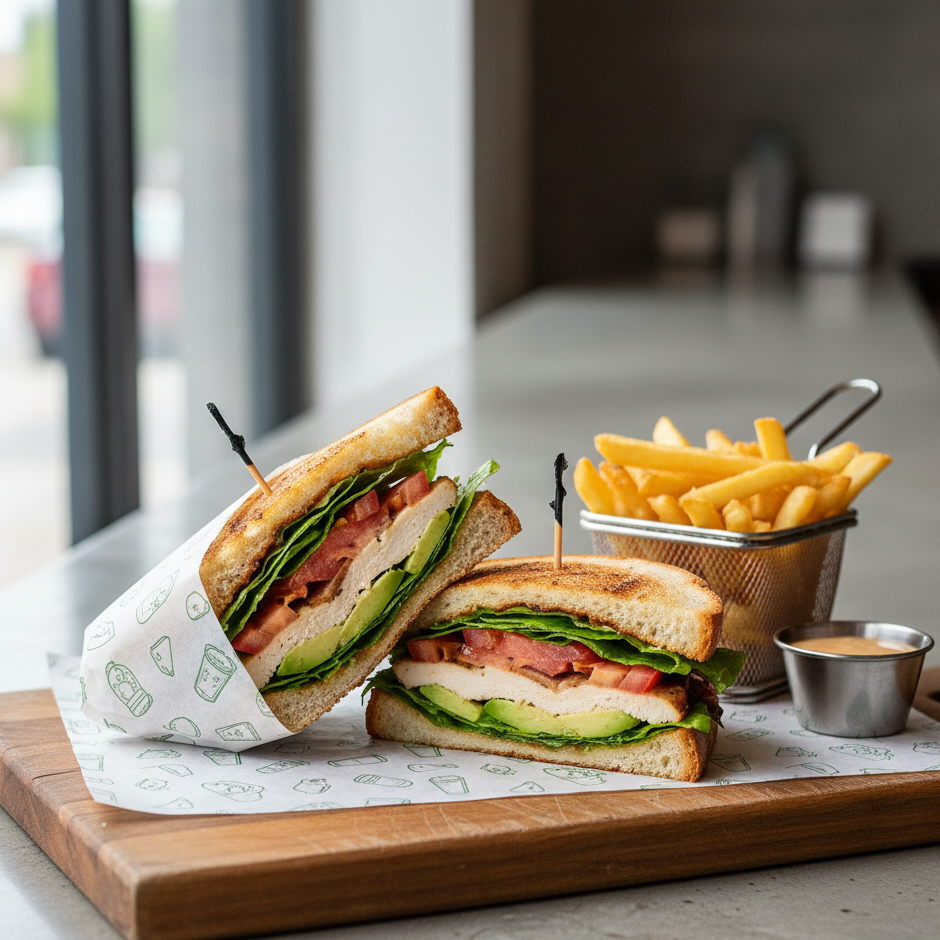
Keeping sandwiches fresh for takeaway orders can be challenging. You need solutions that work fast and last long. Freshness solutions for sandwiches can prevent soggy bread and wilted fillings. You want customers to enjoy sandwiches as if freshly made. Choosing the right materials and methods can reduce waste and increase satisfaction. Some solutions work better for certain types of sandwiches. You can improve delivery quality without extra cost. Practical steps make sandwiches more appealing for takeaway buyers.
How Can You Keep Bread From Getting Soggy During Takeaway?
Bread has a tendency to become soggy from moisture in the fillings and the packaging. Sandwiches can be wrapped in paper that breathes. Cheating wet bread with wax or parchment paper. To minimize the moisture, you can put the lettuce or tomato in the middle layer. Don’t wrap sandwiches in plastic tightly, that just traps moisture. Venting some restaurants introduce vents or tiny holes in their packaging to release condensation. Crude separation techniques are used to maintain bread texture. Solutions for sandwich freshness may incorporate some or all of these steps. You want your customers to taste the bread with the right amount of softness and crispness.
What Wrapping Materials Work Best for Sandwich Preservation?
Paper, foil, and special sandwich wrappers can extend freshness effectively. Wax and greaseproof papers prevent moisture transfer and maintain crisp edges. Foil keeps heat and can prevent bread from drying too fast. Some shops use sandwich wrapping paper with logo prints for both branding and protection. Choosing the proper paper type avoids soggy or overly dry sandwiches. You should match the wrapper with the sandwich type for best outcome. Freshness solutions for sandwiches often include testing which paper suits your menu. Correct wrapping can improve customer perception and repeat orders.
How Does Temperature Affect Sandwich Freshness?
Temperature can make bread stale or fillings spoil if not managed. Cold sandwiches stay fresh longer but may lose flavor if over-chilled. Hot sandwiches need wrapping that keeps warmth without creating condensation. You should monitor storage and transport temperatures carefully. WaxPapersHub provides options that combine protective function with practical Canadability in daily sandwich handling.Freshness solutions for sandwiches often include insulated packaging to control temperature. Proper handling during delivery reduces risk of soggy or wilted ingredients. Using thermal bags can maintain quality for short or long trips. Your customers will notice differences in taste and texture when temperature is managed.
Can Moisture Control Extend Shelf Life of Takeaway Sandwiches?
Moisture is a main factor that spoils sandwiches quickly. You can place dry barriers between wet ingredients and bread to control water. Some restaurants use absorbent sheets to reduce excess moisture in packaging. Avoid stacking sandwiches in tight spaces where moisture concentrates. Freshness solutions for sandwiches often include small tweaks to packaging that reduce water damage. You want fillings to retain freshness without leaking. Correct moisture control keeps bread texture stable and prevents soggy corners. Customers often judge quality by bread and filling condition first.
How Does Ingredient Choice Affect Sandwich Freshness?
Some ingredients release water faster than others, affecting sandwich stability. Leafy greens and tomatoes can make bread soggy if placed directly. Using firmer vegetables or pre-drained ingredients helps retain texture. Cheese and cured meats are more stable and last longer. Freshness solutions for sandwiches often involve ingredient arrangement to avoid moisture contact. You should plan layers carefully to maintain crisp bread. Certain sauces should be kept separate until delivery. Managing ingredient selection improves overall sandwich quality for takeaway orders.
What Role Does Packaging Design Play in Sandwich Freshness?
Packaging design can control airflow and protect sandwich structure effectively. Boxes with ventilation holes prevent condensation buildup. Wrappers that fold neatly reduce unnecessary pressure on bread. You can design packaging to match sandwich size for stability during transport. Freshness solutions for sandwiches often include proper folding and sealing methods. You should avoid loose packaging that allows movement and crushing. Custom paper and paperboard choices enhance both freshness and presentation. Thoughtful design increases customer satisfaction and reduces complaints about damaged sandwiches.
How Can Storage Practices Improve Sandwich Freshness?
Proper storage before delivery maintains quality longer. Keeping sandwiches at the correct temperature and orientation reduces moisture and crushing. You should separate sandwiches from overly wet or hot ingredients until ready to wrap. Freshness solutions for sandwiches often include short-term refrigeration or cooled storage shelves. Rotating stock ensures older sandwiches are used first to maintain quality. Handling practices such as gentle stacking prevent squished bread. Consistent attention to storage supports longer shelf life for takeaway orders. Staff training ensures sandwiches stay fresh for delivery and pickup.
Are There Affordable Solutions That Work for All Sandwich Types?
You do not need expensive tools to keep sandwiches fresh effectively. Simple papers, wrapping techniques, and storage practices often produce best results. Using wax paper, parchment sheets saves money and improves quality, along with custom printed paper sheets for branding. Freshness solutions for sandwiches should balance cost and performance for small and large operations. Proper layering, moisture control, and wrapping design work for many sandwich types. You should experiment with a few methods to see which suits your menu. Affordable and consistent solutions increase customer satisfaction across all orders. Cost-effective methods improve takeaway business reputation in Canada markets.
Conclusion
Keeping sandwiches fresh for takeaway requires planning and proper materials. Freshness solutions for sandwiches often include moisture control, wrapping, and ingredient management. Temperature and storage practices also play important roles in quality preservation. Choosing right papers or packaging designs prevents soggy bread and preserves taste. Staff training and proper handling reinforce effectiveness of these solutions. Simple changes make noticeable differences in customer satisfaction and repeat orders. Applying practical freshness methods ensures sandwiches arrive enjoyable and maintain the intended texture.