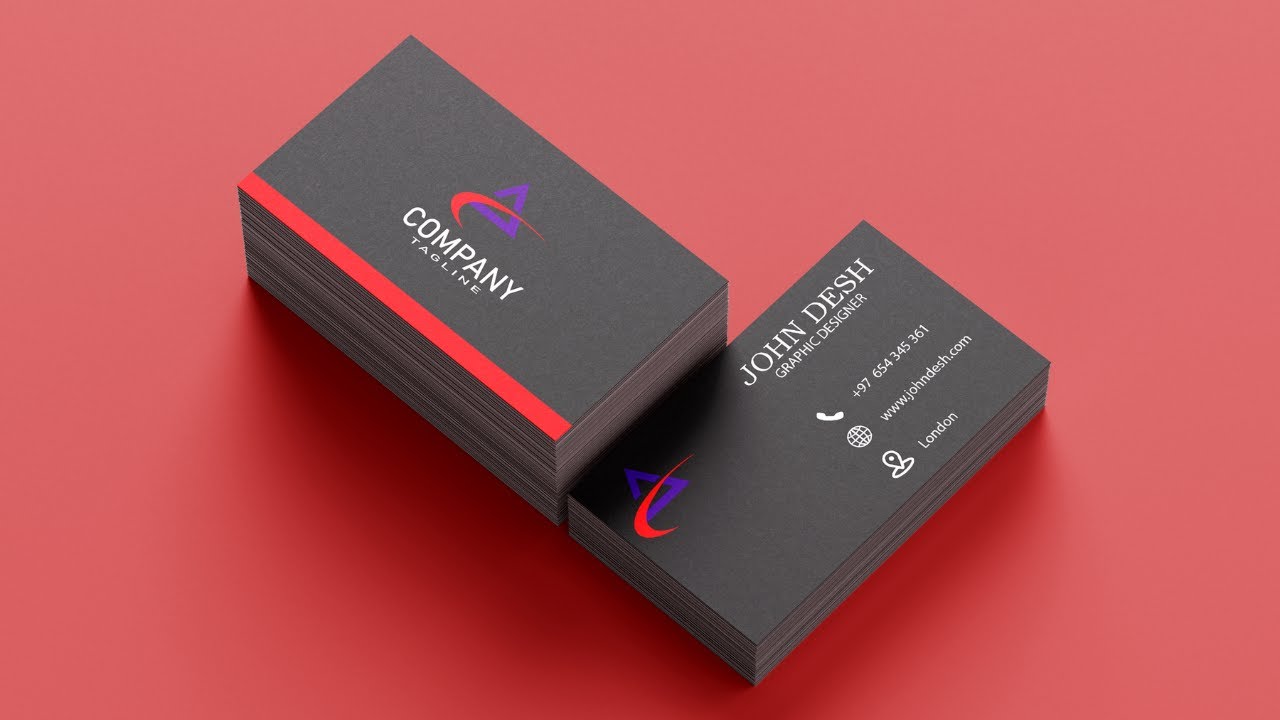
A creative business card should be clear, well-designed, and easy to read. The best designs focus on layout, font choice, colors, paper quality, and finishing details. In this blog, we’ll share seven essential tips to help you design business cards that stand out while still looking professional.
A business card may be small, but it carries a big responsibility. It represents your brand, introduces you, and is usually the first physical impression someone has of your business. We live in a world where we see email and profiles everywhere. However, a well-designed business card still feels personal and powerful.
Now think of a moment where you hand someone your card, they look at it for a few seconds, smile, and say,
“This looks really good.”
It tells you your card did its job. This blog will walk you through simple, practical tips to design business cards that look creative, feel professional, and actually get remembered.
Why Does Business Card Design Still Matter Today? First Impressions Last
Even today, business cards still play an important role. They create a personal moment. When you hand someone a card, it feels more real than sharing a phone number on a screen. A good design shows that you care about details and presentation.
A poorly designed card, on the other hand, can quietly damage trust. If the text is hard to read or the layout feels messy, people may assume the same about the business. That’s why design still matters.
Tip 1: What Should Be the First Focus of Your Business Card Design?
Before thinking about colors or fancy designs, focus on clarity. Your name, job title, and contact details should be easy to find. If someone has to search for your phone number, the card is not doing its job.
➔ Keep the layout clean
White space is your friend. A clean layout makes the card easier to read and more professional.
➔ Avoid overloading information
A business card is not a brochure. Share only what matters most.
Tip 2: Should You Use Fancy Materials or Keep It Simple?
Many people think a thicker card or special finish automatically makes a card better. That’s not always true. What really matters is how the material supports your design.
Using fancy business cards works well when the design is clean and intentional. A soft-touch finish, textured paper, or matte coating can make the card feel premium without looking loud. But if the design is already busy, adding special materials can make it feel overwhelming.
The goal is simple. When someone holds your card, it should feel good in their hand and reflect your brand’s image.
Tip 3: How Do Colors Affect the Feel of a Business Card?
Colors set the mood of your card. Soft colors feel calm and professional. Bold colors feel energetic and creative. The key is to choose colors that match your brand personality.
Using too many colors can make the card feel confusing. Simple color choices often look more confident and polished.
Tip 4: Why Is Font Choice So Important?
Fonts are often ignored, but they speak loudly. A clean font feels professional, while a messy or playful font can feel untrustworthy if it doesn’t match your business type.
➔ Stick to one or two fonts
Too many fonts make the card look chaotic.
➔ Make sure it’s easy to read
If the font is hard to read, the design fails.
Tip 5: How Do Finishing Touches Enhance Your Card
Finishing touches can boost your card. Things like foil stamping, embossing, or spot UV can highlight your logo or name without shouting for attention. These details especially work when your card is also used for special moments like event invitation cards, where presentation is important.
A simple rule: If the details add value, keep them. If it only adds noise, then remove it.
Tip 6: Can Shape and Size Make a Difference?
Standard business cards work for a reason. They fit easily into wallets and card holders. But sometimes, a slight change in shape or size can make your card more memorable.
Rounded corners, vertical layouts, or square cards can stand out if done thoughtfully. The key is to stay practical. If your card doesn’t fit into a wallet, people may throw it away, no matter how creative it looks.
Creativity should never reduce usability.
Tip 7: Should You Think About Protection and Storage?
This is something that most people ignore. Business cards get damaged quickly as corners bend, ink fades, and their impact fades.
That’s why some brands now use sleeves or protective covers. Options like business cards sleeves printing help keep cards clean and presentable, especially when handing them out at events or meetings. It shows attention to detail and professionalism.
How Do You Choose the Right Business Card Style for Your Use?
Not every business card needs to look the same. A card used for daily networking is different from one used at premium events or invitations. Choosing the right style becomes much easier when you match the card with its purpose.
Here’s a simple comparison to help you decide.
Card Type vs Best Use
| Card Style | Best Used For |
Why It Works
|
| Standard clean cards | Every day networking |
Easy to read and practical
|
| Fancy finished cards | Premium branding |
Feels high-end and memorable
|
| Creative layouts | Creative industries |
Shows personality and style
|
| Invitation-style cards | Events & launches |
Feels special and exclusive
|
This way, you don’t overdesign or under design. You design with intention.
Frequently Asked Questions
- Do creative business cards really help in networking?
Yes, they do. A creative card is more likely to be remembered and kept. It helps start conversations and leaves a stronger impression.
- Are thicker cards a better option?
No, not always. Thickness should support the design. A well-designed medium-thick card can look more professional than an overly thick one.
- How long should a good business card last?
A well-made card should stay neat and readable for months. If it gets damaged too quickly, it may reflect poorly on your brand.
Conclusion
Designing a creative business card is not just about blindly following trends. It is about understanding your brand, your audience, and the time when the card is shared. A good business card looks professional, feels natural, and gives people reason to remember you.
When you pay attention to clarity, thoughtful designs, and the right finishing touches, your card becomes more than just contact information. It becomes a small but powerful representation of who you are and what your business stands for. Take your time with the design. Because sometimes, one small card can open big doors.