In a world filled with constant notifications, multitasking, and digital overload, memory problems are becoming surprisingly common. Many people struggle to remember names, retain information while studying, or stay focused long enough to finish important tasks. Instead of turning to pills or stimulants, more people are exploring natural methods that support the brain without chemicals. One increasingly popular solution is sound-based brainwave audio.
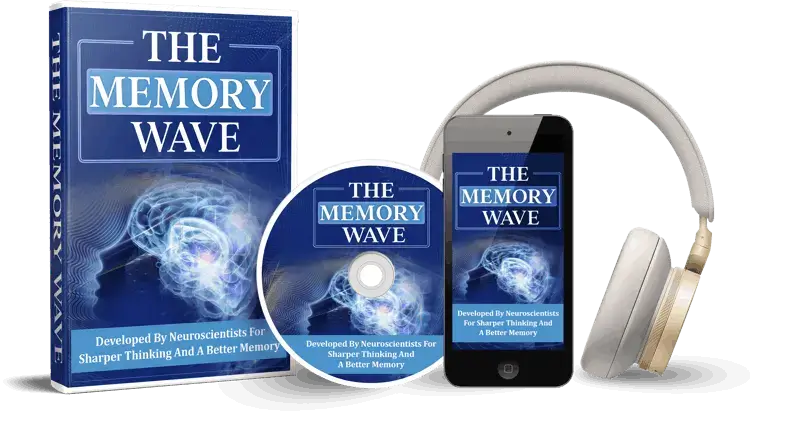
The Memory Wave takes a refreshingly different approach to cognitive support. Rather than using supplements or synthetic ingredients, it uses carefully engineered audio frequencies designed to guide the brain into states that promote concentration, learning, and recall. You simply listen through headphones and allow your brain to respond naturally.
This guest post explores how brainwave audio works, why it may help memory, and how using sound instead of substances can offer a gentle, everyday way to improve mental clarity.
Why Memory Challenges Are So Common Today
Modern life is not designed for deep thinking. We jump between emails, social media, messages, and deadlines without giving the brain time to slow down. When attention is constantly fragmented, memory suffers.
Stress is another major factor. When your brain is in high alert mode, it prioritizes survival and quick reactions instead of learning and storage. That means information does not stick as easily. Even if you spend hours studying, you may forget what you just read.
Poor sleep also plays a role. Memory consolidation happens during restful sleep cycles. Without enough quality sleep, recall becomes weaker.
All of these factors add up to a brain that rarely enters the calm, focused states required for strong memory. That is where brainwave audio comes in.
What Is Brainwave Audio Technology?
Brainwave audio, often called brainwave entrainment, uses sound frequencies to gently influence the electrical rhythms of the brain. Your brain naturally produces different wave patterns depending on what you are doing.
Fast waves are linked with alert thinking and stress. Slower waves are connected with relaxation, creativity, and deeper learning. By playing tones at specific frequencies, audio programs encourage the brain to match those rhythms.
This process is sometimes compared to tuning a musical instrument. Instead of forcing your brain to focus, you guide it into the right state where focus happens naturally.
You do not need to consciously try. The brain responds automatically to sound patterns, making the experience effortless and passive.
👉OFFICIAL WEBSITE👈
How The Memory Wave Works Step by Step
The Memory Wave uses layered tones and gentle background sounds that work together to guide brain activity. The system typically uses stereo audio, meaning each ear receives slightly different frequencies.
When the brain detects this difference, it creates an internal response frequency. This encourages your brainwaves to align with the target range associated with relaxation and concentration.
Once synced, distractions feel less intense. Thoughts slow down. Mental clutter reduces. Many listeners describe it as entering a calm, clear headspace where studying or working feels easier.
This state is ideal for learning because the brain is alert but not stressed. Information flows in more smoothly and is stored more efficiently.
Over time, repeated sessions may help train the brain to access this focused state more easily on its own.
Why Audio Instead of Supplements
Memory supplements often rely on herbs, stimulants, or synthetic compounds. While some people find short-term benefits, others experience side effects like jitters, headaches, or sleep issues.
Audio offers a completely different experience. Nothing is ingested. There is no risk of chemical interactions. You are simply listening to sound.
This makes brainwave audio appealing to people who prefer natural, non-invasive options. It can be used daily without building tolerance or dependency. It also pairs well with healthy habits like exercise, hydration, and good sleep.
For many, it feels closer to meditation or relaxation therapy than a product or treatment.
The Brain Science Behind Memory and Focus
Your brain cycles through several types of waves throughout the day. Each plays a unique role in how you think and remember.
Beta waves are fast and linked to problem-solving and active thinking, but too much beta activity can feel stressful and overwhelming.
Alpha waves appear during calm focus. This is the state often associated with reading, light studying, or being “in the zone.” Information absorption tends to improve here.
Theta waves occur during deep relaxation and creativity. They are connected to memory encoding and subconscious processing.
Delta waves dominate during deep sleep and help consolidate memories formed during the day.
Brainwave audio aims to gently guide you toward alpha and theta states while awake, supporting both focus and memory without drowsiness.
Benefits Users Often Notice
People who consistently use brainwave audio frequently describe subtle but meaningful improvements in daily life.
Focus tends to feel steadier. Instead of jumping between thoughts, attention stays on one task longer.
Learning may feel smoother. You may reread information less often because it sticks the first time.
Recall can improve. Names, dates, or details come back faster when needed.
Stress levels may drop. Relaxation supports clearer thinking and better decision-making.
Mental fatigue often decreases. Listening sessions can feel restorative, almost like a short mental reset.
While results vary, these small changes add up and can make work or study sessions much more productive.
Who Can Benefit Most
Brainwave audio is flexible and accessible, making it useful for many different lifestyles.
Students often use it during study sessions to improve concentration and retention.
Professionals may listen while planning projects or reviewing information to stay mentally sharp.
Older adults sometimes use it to support cognitive clarity and relaxation.
Creatives may find it helpful for brainstorming or entering a flow state.
Because it is simply sound, it fits easily into daily routines without special preparation.
How To Use It Effectively
Consistency matters more than duration. Short daily sessions can be more beneficial than occasional long ones.
Listening for twenty to thirty minutes while reading or studying is a common approach. Some people prefer using it during quiet work sessions when concentration is important.
Evening listening can help calm the mind before sleep, which may support overnight memory consolidation.
Comfortable headphones and moderate volume levels usually provide the best experience. The sound should feel soothing, not overpowering.
Creating a distraction-free environment enhances the effects.
What Makes The Memory Wave Unique
Not all background music or white noise is the same as structured brainwave audio. Random sounds may mask distractions but do not necessarily guide brain activity.
The Memory Wave is typically designed with specific frequency layering, smooth transitions, and balanced stereo effects. These details create a more intentional listening experience.
Instead of just helping you relax, the audio is crafted to encourage mental states associated with learning and recall.
This thoughtful design is what separates dedicated brainwave programs from ordinary playlists.
Pairing Audio With Smart Lifestyle Habits
Brainwave audio works best when combined with healthy choices. Think of it as a support tool rather than a standalone solution.
Adequate sleep helps your brain store what you learn. Hydration keeps cognitive performance steady. Short breaks prevent burnout. Physical activity improves blood flow to the brain.
When these habits are in place, audio sessions can enhance the benefits even further.
Together, they create an environment where memory naturally improves.
Common Questions
Many people wonder whether brainwave audio is safe. Because it only uses sound, it is generally considered gentle and low risk for most healthy individuals.
Headphones are recommended for the stereo effect, but no special equipment is required beyond a phone or computer.
Some listeners feel relaxed immediately, while noticeable improvements in memory may develop gradually with regular use.
It can be used while studying or working quietly, making it easy to integrate into daily life.
It is not intended to replace medical care, but rather to support overall mental wellness.
What a Session Typically Feels Like
A typical session feels calm and grounding. Thoughts slow down and distractions seem less urgent. You may notice deeper breathing and reduced tension.
Many people describe a light, meditative feeling while still remaining awake and alert. Time can pass quickly because you are immersed in what you are doing.
This relaxed focus is exactly the mental space where memory performs best.
Instead of forcing concentration, you naturally settle into it.
The Natural Path to Sharper Recall
There is something appealing about improving memory without relying on substances or complicated routines. Sound is simple and intuitive. Humans have responded to rhythm and tone for thousands of years.
By using carefully designed frequencies, brainwave audio taps into this natural connection between sound and the mind.
The result is a gentle method that supports clarity, learning, and recall in a way that feels effortless.
For people who prefer non-chemical solutions, it can be an empowering option.
Final Thoughts
Memory struggles do not always mean something is wrong. Often, the brain just needs the right conditions to perform well. Calm focus, reduced stress, and consistent rest make a huge difference.
The Memory Wave offers a practical way to create those conditions using nothing more than sound. By guiding your brain into helpful states, it supports learning and recall naturally.
If you are looking for a simple, everyday tool to help you think more clearly and remember more easily, brainwave audio may be worth trying. Put on your headphones, press play, and give your brain the space it needs to do what it does best.