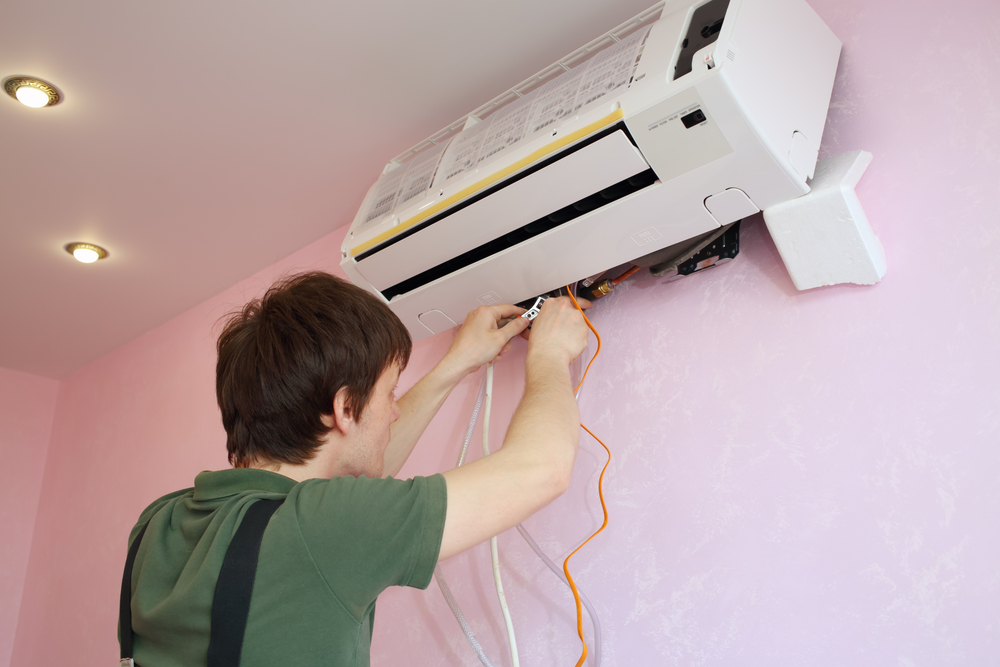
The present-day residential climate control systems use split system air conditioners as their top choice for cooling and heating. The system operates efficiently because it provides flexible performance which meets both heating and cooling requirements. The mechanical system needs corrective maintenance when its performance stops working according to requirements. Homeowners need split system repair checklists because these documents show them which issues to monitor while documenting essential items which will help them maintain their system throughout the entire year.
Residents of Melbourne need their split systems to function properly because this equipment provides them with permanent indoor climate control throughout all weather changes
Understanding Common Split System Issues
People need to recognize the typical split system problems before they proceed with their repair checklist work. The initial indicators of malfunctioning systems include decreased heating or cooling capacity, detection of odd sounds, temperature fluctuations between spaces and rising electricity expenses. The problem arises from restricted airflow, electrical system failures, refrigerant level problems and control system malfunction. Early detection of these problems protects against extensive damage while maintaining optimal system performance. The process of split system repair begins at Melbourne homes through identification of existing system problems.
Initial Inspection and System Assessment
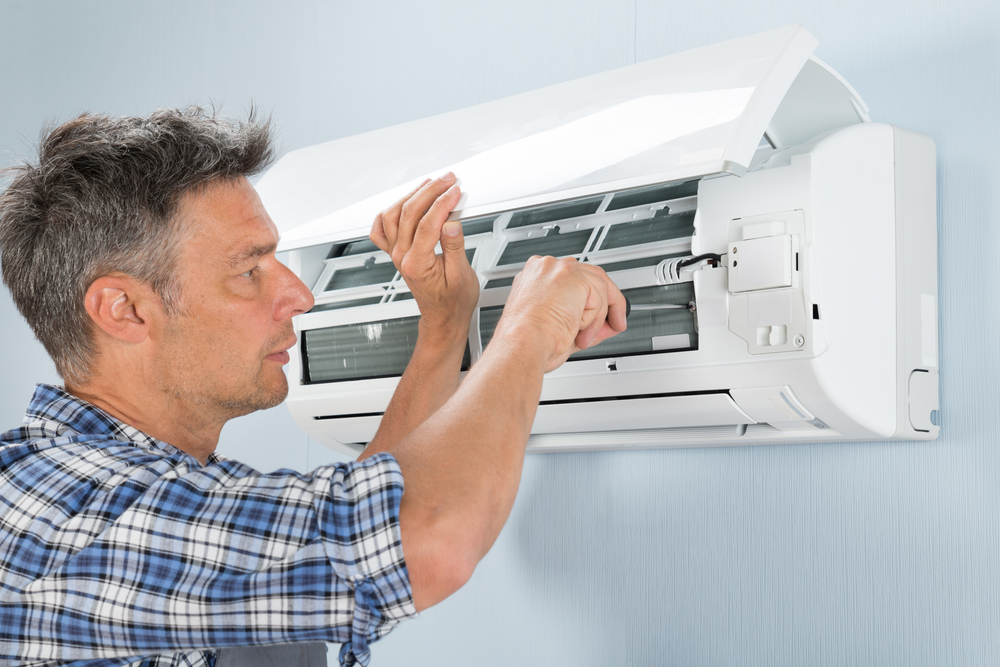
The initial stage of a successful repair operation requires technicians to conduct a complete inspection of the damaged equipment. The process requires examination of all indoor and outdoor units to identify any visible signs of wear and damage and obstructions. The outdoor units require clean operation to sustain their operational capacity because both indoor and outdoor components must work without any interruptions. The assessment process begins with the evaluation of electrical connections and mounting brackets and drainage pathways which need to be checked at this point. The process of initial assessment establishes the base which split system repair results depend on because it enables technicians to detect all problems which need to be addressed.
Air Filter Cleaning and Replacement Checklist
The performance of a system relies heavily on the function of air filters. The system works harder to sustain airflow when filters become dirty or blocked, which leads to decreased operational efficiency. The repair checklist needs to include filter inspection which involves checking for dirt accumulation and damage and incorrect fitting of filters. The process of cleaning or replacing filters brings back normal airflow which results in better indoor air quality while decreasing the load on the internal components of the system. Homeowners in Melbourne can protect their split system from major repairs through regular filter maintenance which stands out as the most efficient method.
Airflow and Ventilation Assessment
The function of heating and cooling systems depends on the need for balanced airflow distribution. The system efficiency decreases because poor airflow generates uneven temperatures and causes equipment to operate at maximum capacity while using more power. The complete repair checklist needs to include three tasks which require checking indoor airflow strength and confirming the absence of vent blockages and validating proper air distribution throughout the entire space. System efficiency suffers from limited outdoor airflow because it decreases the capacity for outdoor equipment to exchange thermal energy with the environment. The process of airflow optimization takes precedence during professional split system repairs which are required in Melbourne throughout the summer and winter peak periods.
Refrigerant Level and Leak Detection
The refrigerant system serves as the essential component for delivering both heating and cooling capabilities of a split system. The system experiences decreased efficiency and extended operational times with low refrigerant levels which also increases the risk of compressor harm. The repair checklist requires complete verification of refrigerant pressure testing for leaks and confirmation of proper levels according to manufacturer specifications. The contemporary repair method identifies leaks as its primary focus while all other tasks take secondary importance. The proper refrigerant system management improves operational efficiency while protecting system reliability throughout its operational life and safeguarding the environment.
Electrical Components and Safety Checks
Electrical issues are the primary reason why split systems fail to operate correctly. The system experiences operational problems because of loose connections and worn wiring and failing capacitors. The essential repair checklist requires complete verification of electrical terminals through voltage testing and current measurement and safety switch operation verification. The early detection of electrical problems helps to prevent unexpected equipment failures and potential safety risks. The split system repair services which Melbourne households trust require technicians to maintain electrical system reliability throughout the entire process.
Thermostat and Control System Evaluation
The thermostat functions as the operational control centre for the entire split system. A system will operate inefficiently and fail to achieve its desired temperature when the thermostat is either inaccurate or improperly calibrated. The repair process requires verification of proper thermostat location and accurate sensor function and successful indoor unit communication. The system needs to undergo evaluation of both software settings and response times for its advanced control system. The system requires control issue resolution to ensure it operates according to environmental conditions and user preferences.
Drainage and Moisture Management
The indoor operation of split systems requires effective drainage systems to remove the moisture they extract from indoor air. The system operation stops when blocked or damaged drain lines result in water leaks and Mold growth. The effective repair checklist needs to start with drain tray inspection work which should also include blockage removal and water flow direction verification from the unit. The system performance and hygiene of the system depend on moisture management which people tend to disregard as an important aspect. The implementation of proper drainage systems enables property owners to avoid multiple repair challenges which would otherwise hinder their split system replacement in Melbourne.
Noise and Vibration Analysis
Excessive vibration and unusual sounds typically demonstrate that there are installation problems and mechanical failures. The presence of rattling and buzzing and grinding sounds requires immediate attention. The checklist for repairs requires examination of fan blades and motor mounts and internal components to identify any imbalance conditions and signs of wear. The resolution of vibration problems leads to improved comfort levels and decreased noise disturbance while protecting system components from ongoing harm. Noise analysis serves as a diagnostic method which technicians use to repair modern split systems.
Energy Efficiency Performance Review
The first indication of system problems occurs when energy efficiency begins to decrease. The existence of performance problems gets shown through increased energy costs which result from higher energy usage without additional consumption. The repair process requires efficiency testing through two methods which include output measurement against energy input and run cycle examination. The process of restoring efficiency results in reduced operational expenses while increasing the equipment’s lifespan. Residents of Melbourne now consider energy performance assessments to be a vital part of their complete split system repair service.
Preventative Measures After Repair
The implementation of preventive measures after the completion of repairs helps to decrease the chances of future issues occurring. The process includes three parts which involve establishing maintenance alerts, teaching proper equipment use, and maintaining both indoor and outdoor units free from any blockages.
The process of preventive maintenance transforms repair work into permanent system protection. The implementation of preventive measures in homes results in decreased equipment failures while maintaining constant indoor comfort throughout the entire year.
Seasonal Readiness Checklist
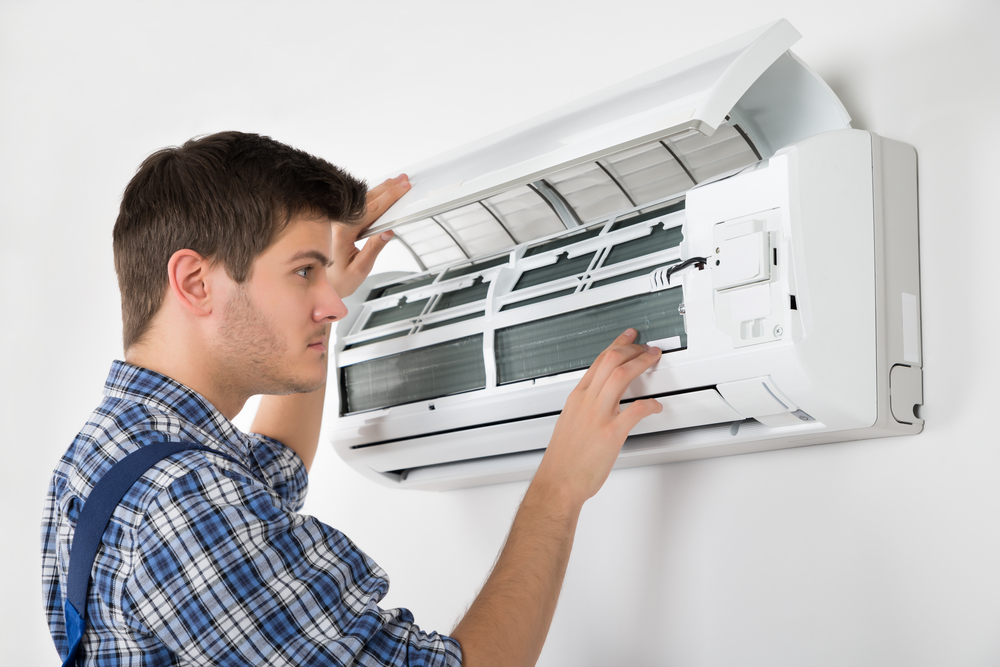
The demands placed on split systems change throughout the different times of the year. The readiness assessment for repairs uses weather patterns to evaluate system operational status according to established criteria. The team uses climatic conditions to determine which system components require repair work. The team evaluates heating capabilities and defrosts performance before the winter season. Seasonal readiness assessments guarantee that systems operate properly during their peak demand periods.
Long-Term Benefits of a Structured Repair Checklist
The application of a detailed checklist for split system repair work decreases uncertainty while guaranteeing all essential system elements receive proper inspection. The process enables technicians to identify problems quickly while achieving successful system repairs that extend equipment lifespan. Homeowners will experience reduced unexpected breakdowns which will result in better indoor comfort, and their energy expenses will become more manageable. The consistent process of repair and maintenance work protects system investments throughout its entire lifespan.
Conclusion:
The primary checklist for split system repair operations goes beyond handling current system problems. The inspection process evaluates all system components including airflow, electrical safety, refrigerant balance, controls, and energy efficiency. Homeowners can maintain their split system performance through structured repair methods which ensure reliability and efficiency throughout the year. The implementation of proactive maintenance strategies improves comfort and system operation in areas that experience fluctuating weather conditions. Split systems can maintain their heating and cooling capabilities through forthcoming years when operators implement appropriate checklist procedures.