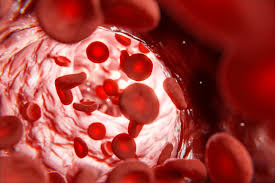
Anemia is a common blood disorder that occurs when the body lacks enough healthy red blood cells to carry oxygen to tissues. This can lead to fatigue, weakness, and other health complications if left untreated. In Dubai, advanced healthcare services provide a range of treatment options for anemia Dubai, ensuring timely diagnosis and effective management. Understanding these treatments helps patients achieve better health outcomes and prevent long-term complications.
This comprehensive guide explains the types of anemia, treatment methods, and strategies for managing the condition in Dubai.
Understanding Anemia Dubai
Anemia occurs when hemoglobin levels in the blood are lower than normal, reducing the body’s oxygen-carrying capacity.
Common Types of Anemia
Iron-Deficiency Anemia
The most prevalent form, caused by insufficient iron in the body.
Vitamin-Deficiency Anemia
Results from a lack of vitamin B12 or folate, affecting red blood cell production.
Chronic Disease Anemia
Linked to chronic illnesses such as kidney disease, cancer, or autoimmune disorders.
Hemolytic Anemia
Occurs when red blood cells are destroyed faster than they are produced.
Aplastic Anemia
A rare condition where the bone marrow fails to produce sufficient red blood cells.
Signs and Symptoms of Anemia Dubai
Recognizing symptoms early is key to seeking treatment.
Common Symptoms
- Fatigue and weakness
- Shortness of breath
- Pale skin and nails
- Dizziness or lightheadedness
- Rapid or irregular heartbeat
- Cold hands and feet
Diagnosis of Anemia Dubai
Proper diagnosis is crucial for selecting the appropriate treatment.
Blood Tests
Complete Blood Count (CBC)
Measures red blood cells, hemoglobin, and hematocrit levels.
Iron Studies
Assess iron levels, ferritin, and transferrin to detect iron-deficiency anemia.
Vitamin B12 and Folate Levels
Identify vitamin-deficiency anemia.
Reticulocyte Count
Evaluates bone marrow activity and red blood cell production.
Additional Tests
Depending on symptoms, doctors may recommend stool tests, bone marrow biopsy, or tests for chronic illnesses.
Treatment Options for Anemia Dubai
Treatment depends on the type and severity of anemia, as well as the patient’s overall health.
1. Iron-Deficiency Anemia Treatment
Iron deficiency is the most common cause of anemia.
Iron Supplements
Oral iron tablets are commonly prescribed to restore iron levels.
Dietary Adjustments
Incorporate iron-rich foods such as red meat, lentils, spinach, and fortified cereals.
Intravenous Iron Therapy
For patients who cannot tolerate oral supplements or have severe deficiency.
2. Vitamin-Deficiency Anemia Treatment
This type of anemia occurs due to insufficient vitamin B12 or folate.
Vitamin B12 Injections or Supplements
Administered when oral intake is insufficient or absorption is impaired.
Folic Acid Supplements
Recommended for folate deficiency and during pregnancy.
Dietary Sources
Include eggs, dairy, leafy greens, and legumes to boost vitamin intake.
3. Anemia Due to Chronic Disease Treatment
Chronic conditions can interfere with red blood cell production.
Managing Underlying Conditions
Treatment focuses on controlling kidney disease, autoimmune disorders, or infections.
Erythropoiesis-Stimulating Agents (ESAs)
Medications that stimulate the bone marrow to produce more red blood cells.
4. Severe or Rare Anemia Treatments
For conditions like hemolytic or aplastic anemia, more advanced therapies may be required.
Blood Transfusions
Used for rapid restoration of red blood cells in severe anemia cases.
Bone Marrow or Stem Cell Transplant
For patients with aplastic anemia or certain inherited forms of anemia.
Immunosuppressive Therapy
Used in cases where the immune system attacks red blood cells.
5. Lifestyle and Supportive Care
Along with medical treatments, lifestyle adjustments can improve outcomes.
Balanced Diet
Incorporate foods rich in iron, vitamins B12 and folate.
Regular Monitoring
Follow-up blood tests track treatment effectiveness and adjust therapy as needed.
Avoiding Triggers
For certain types like hemolytic anemia, avoiding specific medications or toxins may be necessary.
Preventing Anemia Dubai
Prevention strategies help reduce the risk of developing anemia or recurrence.
Regular Health Check-Ups
Routine screenings detect anemia early, especially in high-risk groups such as pregnant women or those with chronic illnesses.
Nutrient-Rich Diet
Maintain adequate intake of iron, vitamin B12, and folate.
Managing Chronic Conditions
Proper treatment of kidney disease, diabetes, or autoimmune disorders prevents anemia development.
Supplementation When Needed
Iron or vitamin supplements may be recommended for those at risk.
FAQs About Anemia Dubai
Can anemia be cured completely?
Many forms of anemia, such as iron or vitamin-deficiency anemia, are treatable with proper therapy. Chronic or genetic forms may require ongoing management.
How long does it take to recover from anemia?
Recovery depends on the type and severity but generally ranges from a few weeks for mild cases to several months for severe anemia.
Are anemia treatments safe in Dubai?
Yes, treatments administered by qualified healthcare providers are safe and effective.
Can diet alone treat anemia?
Dietary improvements help prevent and manage mild cases but may not suffice for severe anemia.
Is anemia dangerous if untreated?
Yes, untreated anemia can lead to heart complications, organ damage, and reduced quality of life.
Conclusion
Effective management of anemia Dubai involves accurate diagnosis, appropriate treatment, and lifestyle adjustments. Whether caused by iron or vitamin deficiencies, chronic illnesses, or rare conditions, anemia can be successfully treated with a combination of supplements, medications, and supportive care. By consulting experienced healthcare providers in Dubai and following personalized treatment plans, patients can restore healthy blood levels, improve energy, and maintain long-term overall wellness.