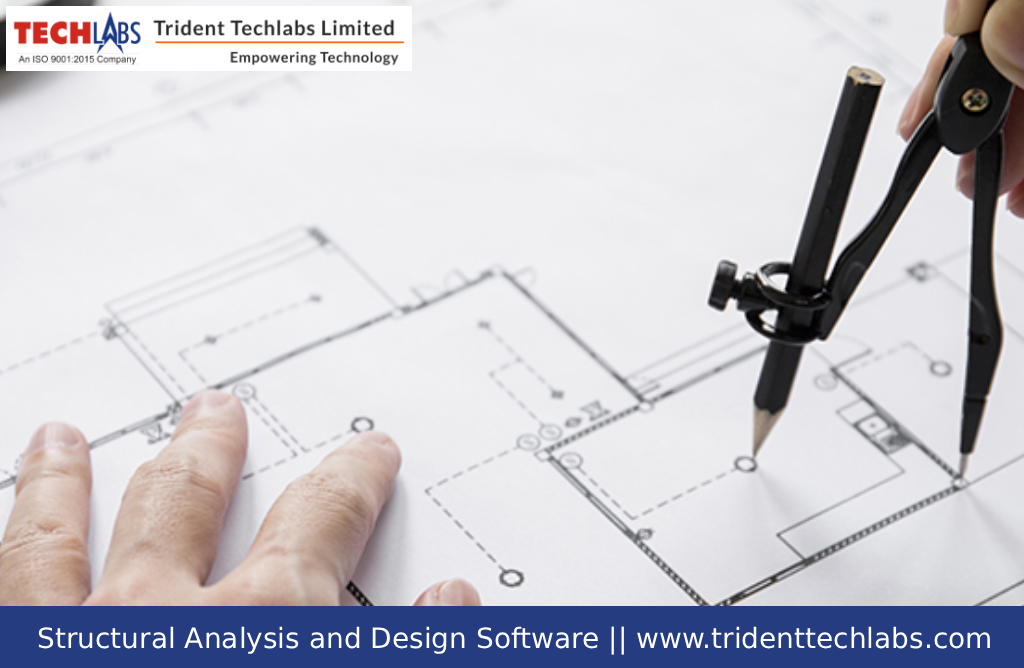
In today’s construction and engineering world, technology plays a very important role. Engineers no longer depend only on manual calculations and drawings. Modern tools help them design safer, stronger, and more cost-effective structures. One such important tool is Structural Analysis and Design Software.
With many software options available in the market, choosing the right one can be confusing. Each software claims to be the best, but not all tools meet real project needs. In this article, we will discuss the 10 most important features to look for in Structural Analysis and Design Software, explained in simple and clear language.
Why Structural Analysis and Design Software Is Important
Structural engineering involves complex calculations, safety checks, and design accuracy. Any small error can lead to serious safety issues and financial loss. This is why Structural Analysis and Design Software has become essential for engineers, consultants, and construction companies.
Such software helps to:
- Analyze loads and stresses accurately
- Design structures as per codes and standards
- Reduce manual calculation errors
- Save time and project costs
- Improve overall project quality
Choosing the right software with the right features makes a big difference in project success.
1. User-Friendly Interface in Structural Analysis and Design Software
One of the most important features to look for in Structural Analysis and Design Software is a user-friendly interface.
The software should:
- Be easy to learn and use
- Have clear menus and tools
- Allow quick model creation
Engineers should focus on design work, not struggle with complicated software controls. A simple interface improves productivity and reduces training time.
2. Accurate Structural Analysis Capabilities
The main purpose of Structural Analysis and Design Software is to analyze structures accurately. The software must be able to calculate:
- Dead loads
- Live loads
- Wind loads
- Seismic loads
It should also perform linear and non-linear analysis based on project requirements. Accurate analysis ensures the safety and stability of structures under different conditions.
3. Support for Multiple Design Codes and Standards
Different countries follow different structural design codes. A good Structural Analysis and Design Software should support multiple international and national codes.
This feature helps engineers:
- Work on global projects
- Follow local regulations
- Ensure compliance with safety standards
Code-based design is essential to avoid legal and safety issues in construction projects.
4. Advanced Modeling Features in Structural Analysis and Design Software
Modern structures are complex in shape and design. The software should allow engineers to model:
- Buildings
- Bridges
- Towers
- Industrial structures
Good Structural Analysis and Design Software provides advanced modeling tools such as 3D modeling, element editing, and geometry control. This helps engineers visualize and test real-world structures accurately.
5. Integration with Other Engineering Tools
Another important feature is software integration. Structural Analysis and Design Software should work smoothly with other tools like:
- CAD software
- BIM platforms
- Drafting and detailing tools
Integration saves time by avoiding repeated data entry and reduces errors during design changes. It also improves coordination between different engineering teams.
6. Automated Design and Optimization Features
Manual design takes time and effort. Modern Structural Analysis and Design Software should include automated design features.
These features help to:
- Automatically size beams and columns
- Optimize material usage
- Reduce design time
Automation improves efficiency and helps engineers explore multiple design options quickly.
7. Clear and Detailed Reporting System
A good reporting system is essential for project documentation. Structural Analysis and Design Software should generate:
- Analysis reports
- Design calculation summaries
- Load combination details
Reports should be easy to understand and exportable in common formats. Clear reports help in client approvals, audits, and project reviews.
8. Strong Error Detection and Warning System
Errors in structural design can be dangerous. Reliable Structural Analysis and Design Software should have a strong error detection system.
This feature helps by:
- Identifying modeling mistakes
- Highlighting design failures
- Giving warning messages
Early error detection improves safety and reduces costly redesign work.
9. Performance and Speed of Structural Analysis and Design Software
Structural projects often involve large and complex models. The software must be fast and stable.
Good performance ensures:
- Faster analysis results
- Smooth handling of large models
- No crashes during critical work
High-performance Structural Analysis and Design Software saves time and keeps projects on schedule.
10. Technical Support and Regular Updates
Even the best software needs support. Reliable Structural Analysis and Design Software should come with:
- Technical support services
- Training resources
- Regular software updates
Updates ensure the software stays compatible with new design codes and technologies. Strong support helps users solve issues quickly and continue work without delays.
How the Right Structural Analysis and Design Software Improves Project Success
Using the right Structural Analysis and Design Software leads to better project outcomes. Engineers can design safer structures, reduce material waste, and complete projects on time.
Some key benefits include:
- Improved design accuracy
- Higher safety standards
- Better cost control
- Faster project delivery
This makes software selection a critical decision for engineering professionals.
Choosing the Right Solution Provider
Selecting the right software provider is as important as selecting the software itself. A reliable technology company understands engineering challenges and provides practical, industry-focused solutions.
One such company is Trident Techlabs Limited, known for developing advanced engineering and structural solutions that support efficient and accurate design workflows.
Final Thoughts
Choosing the right Structural Analysis and Design Software is essential for modern structural engineering projects. The software should be easy to use, accurate, fast, and reliable. It must support design codes, provide advanced modeling tools, and offer strong technical support.
By focusing on the 10 features discussed in this article, engineers and organizations can select software that meets their current needs and supports future growth. The right software not only improves design quality but also ensures safety, efficiency, and long-term project success.