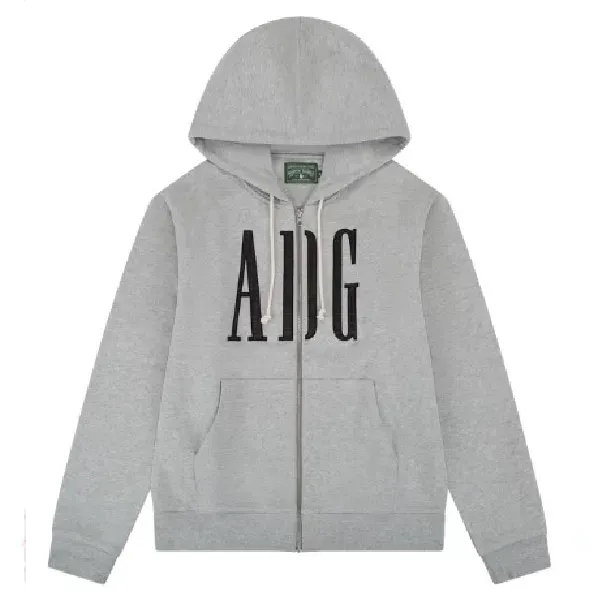
Denim Tears is not just a fashion brand—it is a powerful cultural statement stitched into fabric. Founded by Tremaine Emory, Denim Tears stands at the intersection of art, history, and streetwear, transforming clothing into a medium for storytelling. In a world where fashion often prioritizes trends over meaning, Denim Tears chooses depth, memory, and identity. Every piece released by the brand feels intentional, emotional, and beautifully honest, making Denim Tears one of the most important labels of modern fashion.
At first glance, Denim Tears captures attention through its striking designs. Cotton wreath prints, carefully washed denim, bold graphics, and classic silhouettes immediately stand out. But the true beauty of Denim Tears lies beneath the surface. The brand draws heavily from the African American experience, particularly the legacy of slavery, resilience, and cultural survival. Emory uses fashion as a canvas to honor ancestors, provoke thought, and spark conversations that extend far beyond clothing racks.
One of the most iconic symbols associated with Denim Tears is the cotton wreath. Simple yet deeply meaningful, it references the history of cotton in America—an industry built on the labor of enslaved Black people. By reclaiming this symbol and placing it proudly on jeans, hoodies, and jackets, Denim Tears transforms pain into power. The designs do not shy away from history; instead, they face it directly, turning remembrance into beauty. This courage is what makes the brand so visually and emotionally striking.
Denim Tears also excels in craftsmanship. The quality of the garments reflects a respect for both the message and the wearer. Denim feels sturdy yet comfortable, hoodies are soft but structured, and stitching is done with care. These are pieces meant to last, not just physically but culturally. Wearing Denim Tears feels like wearing a story—one that grows richer with time. The brand understands that true beauty in fashion comes from longevity and purpose, not fast trends.
Collaboration is another area where Denim Tears shines. Partnerships with brands like Levi’s, Dior, Converse, and Stüssy have allowed Denim Tears to reach global audiences while maintaining its core identity. These collaborations are never empty marketing moves; they are thoughtful, artistic unions that amplify the brand’s message. By merging heritage brands with powerful storytelling, Denim Tears proves that meaningful fashion can exist at the highest levels of the industry.
What makes Denim Tears especially beautiful is its emotional resonance. The brand speaks to people who see fashion as more than appearance—as identity, memory, and resistance. It connects past and present, reminding wearers that style can carry history without feeling heavy. Instead of being trapped by sorrow, Denim Tears transforms reflection into pride. There is a quiet confidence in the designs, a sense that every piece knows exactly why it exists.
Denim Tears Hat also represents a shift in streetwear culture. It shows that streetwear does not have to be loud to be impactful. It can be poetic, reflective, and deeply intellectual. In an era of oversaturated logos and hype-driven drops, Denim Tears stands apart by slowing things down. Each release feels like a chapter, not a product. This thoughtful pacing adds to the brand’s elegance and mystique.
Beyond fashion, Denim Tears is an artistic movement. Tremaine Emory’s background in music, art, and culture allows the brand to exist across creative spaces. It resonates with musicians, artists, designers, and thinkers alike. This cross-cultural appeal gives Denim Tears a timeless quality. It is rooted in a specific history, yet its message is universal—acknowledgment, respect, and the beauty of truth.
In the end, Denim Tears is very beautiful because it is real. It does not chase approval or dilute its message for comfort. Instead, it embraces honesty, complexity, and emotion. Every garment feels like a quiet statement of dignity and remembrance. Denim Tears reminds us that fashion can heal, educate, and inspire. It proves that when clothing carries meaning, it becomes art—and when art is honest, it becomes unforgettable.