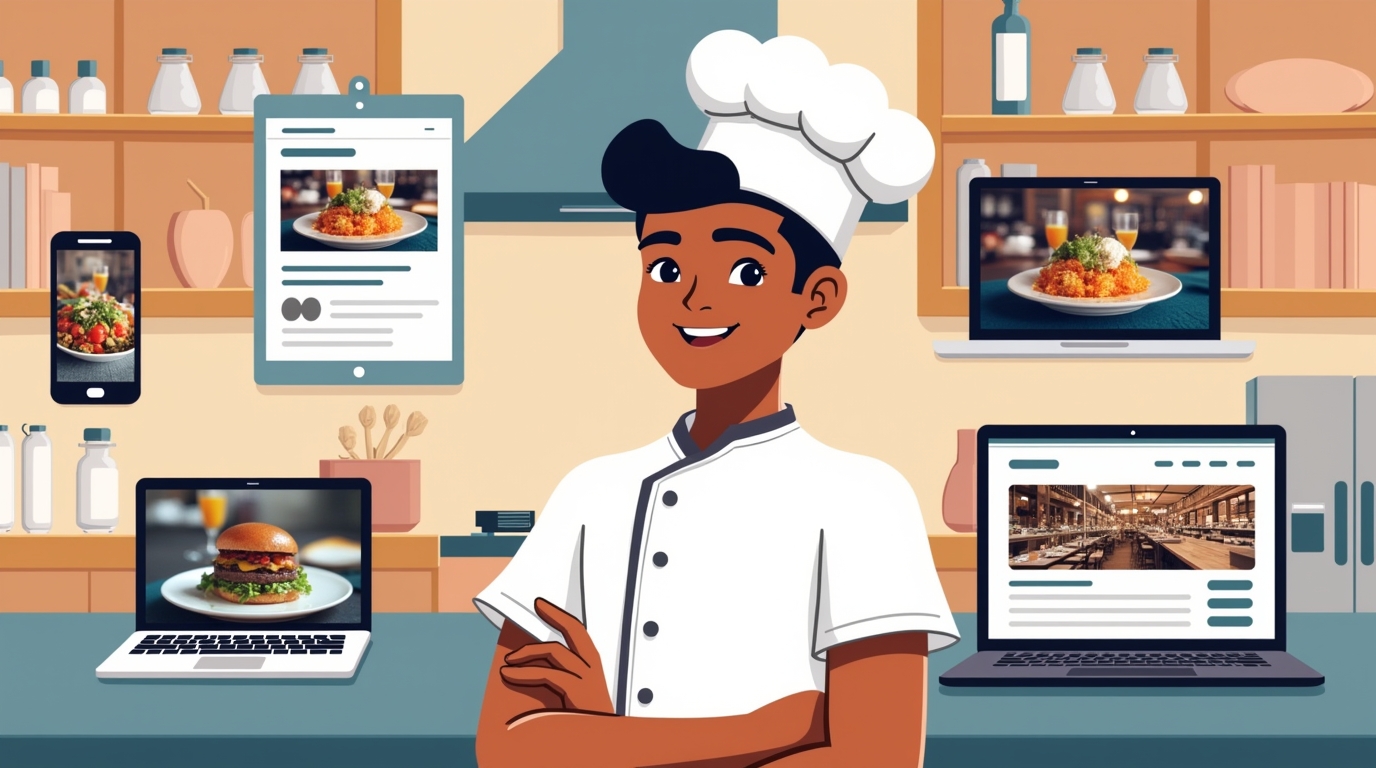
In the new digital-first world, starting a successful restaurant goes beyond simply having a great menu and a cozy dining area. With so many options available to diners, today’s chefs must embrace and utilize digital technologies to draw in and keep customers interested in their establishments. Digital marketing strategies, such as online ordering systems, social media management tactics and reputation monitoring, are some of the many ways that digital tools can help you transform your passion for cooking into a successful business.
In this guide, we’ll explore essential digital tools every chef should know to boost visibility, streamline operations, and build loyal customer relationships.
1. Online Ordering and Reservation Platforms
The first step to attracting customers is ensuring they can find you and interact with your restaurant easily, which is where partnering with an SEO agency for restaurants and leveraging digital ordering and reservation platforms can make a significant difference.
Key Tools to Consider:
- OpenTable / Resy: These platforms allow diners to book tables effortlessly. They also provide analytics on peak hours and customer preferences, helping chefs optimize staffing and menu offerings.
- Uber Eats / DoorDash / Grubhub: Food delivery apps broaden your reach, letting customers order from the comfort of their homes. Integration with your POS system ensures smooth operations and minimal errors.
- ChowNow: Unlike major delivery platforms, ChowNow focuses on direct-to-consumer ordering, allowing restaurants to maintain full control over branding and customer data.
Pro Tip: Promote your online ordering link on social media, email newsletters, and your website. The easier it is for customers to order, the more likely they are to return.
2. Social Media Management Tools
Social media is more than just posting pictures of your dishes; it’s a powerful marketing tool. Managing multiple platforms can be overwhelming without the right tools.
Recommended Tools:
- Hootsuite / Buffer: Schedule posts in advance, monitor engagement, and track mentions across multiple platforms from a single dashboard.
- Later: Ideal for Instagram, Later allows visual planning of posts, which is perfect for showcasing mouthwatering food photography.
- Canva: While not a posting tool per se, Canva helps chefs and restaurant marketers create stunning graphics, promotional posts, and menu visuals quickly.
Pro Tip: Focus on storytelling. Share behind-the-scenes kitchen moments, chef tips, or customer testimonials. Authenticity drives engagement and encourages new diners to visit.
3. Reputation and Review Management Platforms
Online reviews can make or break a restaurant. Customers often consult Google Reviews, Yelp, and TripAdvisor before deciding where to dine. Tools to monitor and manage your reputation are invaluable.
Key Tools:
- Reputation.com / ReviewTrackers: Aggregate reviews from multiple platforms, allowing chefs to respond quickly and maintain a positive image.
- Google My Business: Claiming and optimizing your GMB profile ensures your restaurant appears in local searches and Google Maps. Include updated menus, hours, and photos.
- Yelp for Business: Provides analytics on review trends and customer interactions, helping you make data-driven decisions.
Pro Tip: Respond to every review—positive or negative. Showing customers you care about their experience builds loyalty and encourages repeat visits.
4. Email Marketing Platforms
Email marketing remains one of the most cost-effective ways to engage with your audience. Whether it’s promoting new menu items or special events, consistent communication keeps your restaurant top-of-mind.
Recommended Tools:
- Mailchimp / Klaviyo: Segment your audience based on dining habits, preferences, or location, and send targeted campaigns.
- Constant Contact: Offers easy-to-use templates for promotions, newsletters, and event announcements.
Pro Tip: Include exclusive offers for subscribers, such as a free dessert on their next visit. This incentivizes sign-ups and repeat business.
5. Analytics and Insights Tools
Understanding customer behavior is essential to refine your marketing strategies and menu offerings. Analytics tools provide valuable insights into what works and what doesn’t.
Key Tools:
- Google Analytics: Track website traffic, page views, and user behavior. Find out which menu items or blog posts attract the most visitors.
- Tableau / Looker Studio: Visualize sales trends, online engagement, and customer demographics to make informed decisions.
- POS Analytics (Toast, Square, Lightspeed): Modern point-of-sale systems provide detailed sales reports, peak hours, and popular dishes, enabling chefs to adjust menus accordingly.
Pro Tip: Use data to identify underperforming items or times. Offering limited-time specials during slow hours can boost revenue and attract new customers.
6. Food Photography and Visual Content Tools
In the digital age, people “eat with their eyes” first. High-quality photos of your dishes can make a significant difference in attracting new customers.
Recommended Tools:
- Lightroom / Photoshop: Enhance photos to make your dishes look irresistible.
- Snapseed / VSCO: Mobile-friendly apps for quick editing on-the-go.
- InShot / CapCut: For creating engaging short-form video content showcasing the preparation of popular dishes.
Pro Tip: Consistency is key. Develop a visual style that reflects your restaurant’s brand—this helps with recognition across social media and menus.
7. Customer Loyalty and Engagement Platforms
Turning first-time diners into loyal customers requires thoughtful engagement. Loyalty programs and feedback systems encourage repeat visits and brand advocacy.
Key Tools:
- Belly / Punchh: Digital loyalty programs that reward customers for frequent visits.
- Tattle / Wisely: Collect feedback in real-time, allowing you to address issues before they escalate.
Pro Tip: Offer personalized rewards, such as discounts on a favorite dish, based on purchase history. Personalized experiences increase customer retention.
8. Chatbots and Messaging Tools
Instant communication is expected in today’s fast-paced world. Messaging tools and AI-powered chatbots can handle reservations, answer FAQs, and even take orders, saving staff time.
Recommended Tools:
- ManyChat / Tidio: Integrates with Facebook Messenger, Instagram, and your website to respond to customer inquiries automatically.
- WhatsApp Business: Many customers prefer quick messaging over phone calls. Share menus, reservations, and promotions instantly.
Pro Tip: Use chatbots to provide estimated delivery times, reservation confirmations, or notify customers of daily specials. Efficiency impresses diners and boosts satisfaction.
9. Online Advertising Platforms
To reach new customers, restaurants can’t rely solely on organic traffic. Paid advertising allows targeted outreach based on location, interests, and demographics.
Key Tools:
- Facebook / Instagram Ads: Target local food lovers, promote new dishes, and boost event visibility.
- Google Ads: Capture diners searching for restaurants nearby. Ads can appear on search results and maps.
- Nextdoor / Yelp Ads: Target hyperlocal audiences looking for dining recommendations in their neighborhoods.
Pro Tip: Monitor ad performance closely and test different creatives. Highlight special menu items, events, or discounts to capture attention.
10. Collaborative Platforms for Menu and Recipe Management
Digital tools aren’t just for marketing—they can improve kitchen efficiency and consistency. Sharing recipes, ingredient lists, and inventory digitally ensures smooth operations.
Key Tools:
- ChefSheet / BlueCart: Manage inventory, suppliers, and recipes in one place. Reduce waste and optimize costs.
- Trello / Notion: Track menu updates, new recipe ideas, and task assignments among kitchen staff.
Pro Tip: Streamlined operations reduce mistakes, maintain quality, and allow chefs to focus on creating dishes that wow customers.
Conclusion
The modern restaurant landscape demands more than just excellent food. To attract hungry customers, chefs must harness digital tools to reach, engage, and delight diners. From online ordering and social media management to reputation monitoring and analytics, each tool plays a critical role in building a successful culinary business.
Adopting these digital solutions doesn’t mean losing the personal touch—it means amplifying your passion for food to reach a wider audience. By combining culinary artistry with smart technology, chefs can fill tables, create loyal fans, and keep their kitchens buzzing with satisfied diners.
Remember, the key is not to use every tool at once but to implement the ones that align with your restaurant’s goals. Start small, track results, and gradually expand your digital toolkit. Soon, your restaurant won’t just be known for its dishes—it will be known for an unforgettable dining experience that starts online.