Tooth enamel is the hardest substance in the human body, yet it remains highly vulnerable to acid damage. As modern diets continue to include more acidic foods and beverages, enamel erosion is becoming increasingly common. Enamel protects teeth from decay, temperature sensitivity, and daily wear, but once it erodes, it cannot regenerate. This makes prevention incredibly important.In this blog, we explore how acidity affects enamel, which foods and drinks are most harmful, the signs and long-term consequences of enamel erosion, and practical ways to protect your teeth. By understanding how lifestyle choices influence dental health, you can take proactive steps to maintain a strong and healthy smile.
What Is Enamel and Why Is It Important?
The Structure of Tooth Enamel
Enamel is the outer protective layer of each tooth. It consists mainly of minerals primarily hydroxyapatite which give it exceptional hardness. This protective shell shields teeth from decay, biting forces, and everyday exposure to acids and bacteria.
Why Enamel Cannot Regenerate
Unlike bone or soft tissue, enamel contains no living cells. Therefore, it cannot repair itself once damaged. If enamel becomes thin or erodes, the underlying dentine becomes exposed, causing sensitivity and a higher risk of cavities. Many patients seek support from dental professionals like an emergency dentist in Widnes if sensitivity becomes severe.
How Acidic Foods and Drinks Cause Enamel Erosion
The Role of pH Levels
Foods and drinks with a pH lower than 5.5 are considered acidic enough to weaken enamel. Acid softens the enamel’s surface and begins dissolving its mineral content, a process known as demineralisation. Frequent exposure accelerates erosion, especially if acids remain on the teeth for long periods.
Demineralisation vs Remineralisation
The mouth naturally cycles between demineralisation and remineralisation:
- Demineralisation: Acids weaken and dissolve minerals in the enamel.
- Remineralisation: Saliva, fluoride, and minerals help repair early enamel damage.
When acidic exposure is too frequent, the mouth cannot recover properly, and enamel erosion progresses. Regular monitoring by a hygienist in Widnes can help spot early signs.
Common Acidic Foods and Drinks That Harm Enamel
Acidic items are part of many daily diets. However, awareness helps people make more informed choices. Below is a helpful table of common enamel-eroding items:
| Category | Examples |
| Citrus Fruits | Oranges, lemons, grapefruits, limes |
| Fizzy Drinks | Cola, flavoured sodas, tonic water |
| Fruit Juices | Apple, cranberry, orange juice |
| Sports Drinks | Electrolyte beverages, energy drinks |
| Vinegar-Based Foods | Pickles, vinaigrettes, salad dressings |
| Fermented Drinks | Kombucha, certain teas |
| Wine | White and red wines |
Frequency of consumption is more damaging than quantity. For example, sipping fizzy drinks over hours is more harmful than consuming them quickly.
Signs and Symptoms of Enamel Erosion
Enamel erosion progresses gradually, often without pain in its early stages. Common indicators include:
- Increased sensitivity to hot, cold, or sweet foods
- Smooth, shiny surfaces on the tooth
- Rounded or worn edges
- Translucent or thin enamel
- Yellowing as dentine becomes exposed
- Tiny cracks or chips
- Indentations (cupping) on chewing surfaces
Ignoring these symptoms can lead to more serious dental issues, prompting many individuals to reach out to an emergency dentist in Widnes for urgent care.
Long-Term Effects of Enamel Erosion
If enamel erosion continues untreated, the consequences can become permanent and costly:
- Heightened sensitivity: Exposed dentine reacts strongly to temperatures.
- Increased decay risk: Weakened enamel cannot protect against bacterial acids.
- Structural weakening: Teeth become more vulnerable to fractures.
- Discolouration: Dentine exposure causes yellowing.
- Functional issues: Bite problems can develop due to uneven wear.
- Need for restorative treatments: Bonding, veneers, or crowns may become necessary.
Enamel erosion is preventable, making early intervention vital.
Preventing Enamel Erosion
Smarter Eating and Drinking Habits
- Limit how often you consume acidic foods and beverages.
- Avoid holding or swishing acidic drinks around the mouth.
- Rinse with water immediately after consuming acidic items.
- Use a straw to reduce contact between acidic drinks and teeth.
- Pair acidic foods with meals rather than eating them alone.
Strengthening the Enamel
- Brush with fluoride toothpaste to help reinforce weakened enamel.
- Professional fluoride varnish treatments can boost enamel strength.
- Chew sugar-free gum to increase saliva flow, which neutralises acids.
A hygienist in Widnes can offer guidance on remineralising products such as fluoride gels or calcium-based treatments.
Avoiding Harmful Behaviours
- Do not brush your teeth immediately after acidic foods; wait at least 30 minutes to avoid rubbing softened enamel away.
- Avoid constant snacking, frequent eating lowers pH levels throughout the day.
- Reduce tooth grinding (bruxism), which accelerates enamel wear.
The Role of Saliva in Protecting Enamel
Saliva plays a crucial role in defending teeth against enamel erosion. It naturally neutralises acids, washes away food particles, and supplies essential minerals that help strengthen enamel. A dry mouth increases the risk of erosion, making saliva production vital for long-term oral health.
Key functions of saliva:
- Neutralises acidic pH levels
- Supports remineralisation
- Lubricates teeth and soft tissues
- Reduces harmful bacterial activity
- Helps prevent sensitivity and decay
Staying hydrated and using sugar-free gum can help maintain healthy saliva flow.
Professional Treatments for Enamel Erosion
When enamel erosion has progressed beyond home care solutions, professional dental treatments can help protect the remaining tooth structure.
Possible treatments include:
- Fluoride varnishes: Strengthen enamel and reduce sensitivity.
- Remineralising agents: Products containing calcium or phosphate help rebuild weakened areas.
- Dental bonding: Composite resin covers eroded surfaces and restores appearance.
- Veneers: Porcelain veneers protect severely worn front teeth.
- Crowns: Used when erosion significantly compromises tooth strength.
Routine assessments allow dental professionals to track erosion and intervene before further damage occurs.
When to Seek Professional Help
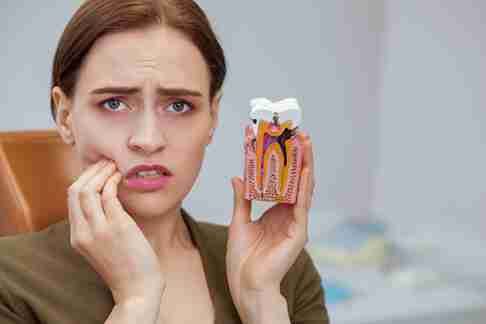
You should seek dental advice promptly if you experience:
- Consistent sensitivity
- Rough or uneven tooth surfaces
- Thinning or transparency of front teeth
- Discomfort when eating or drinking
- Frequent chipping
- Noticeable colour changes
If symptoms worsen suddenly, contacting an emergency dentist in Widnes is advisable. Early assessment stops the problem from advancing and helps preserve enamel.
Conclusion
Acidic foods and drinks are common in many diets, but understanding their impact on enamel erosion is essential for maintaining long-term oral health. While enamel is strong, it cannot regenerate once damaged, making prevention and professional guidance crucial. With smart dietary choices, proper oral hygiene, and regular check-ups, you can significantly reduce the risk of enamel erosion and its long-term consequences. At Widnes, we encourage everyone to take an informed approach to their dental care, ensuring their enamel and their smile remains strong and healthy for years to come.