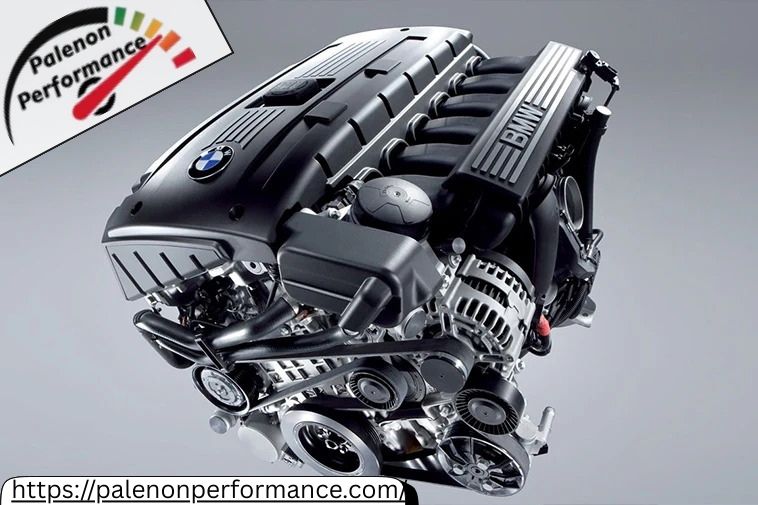
Introduction
BMW engines are known for power.
They deliver smooth and fast performance.
However, all engines wear over time.
Therefore, a BMW engine repair specialist is important.
This guide explains everything.
It is simple and clear.
Also, it helps you choose the right expert for your BMW.
What Does a BMW Engine Repair Specialist Do?
A BMW engine repair specialist fixes engine problems.
They handle both minor and major issues.
Moreover, they use specialized tools.
Because BMW engines are complex, expertise is required.
Specialists also offer long-term solutions.
This improves engine life and performance.
Common Reasons BMW Engines Need Repair
Oil and Lubrication Issues
Low oil pressure is dangerous.
It damages bearings and pistons.
Also, old oil increases friction.
Therefore, regular maintenance is key.
Cooling System Failure
Overheating warps engine components.
Leaking coolant worsens the problem.
Moreover, it can damage gaskets.
Because of this, timely repair is essential.
Turbocharger Problems
Turbo failure reduces power.
It can also harm the engine internally.
Moreover, poor maintenance accelerates wear.
Specialist attention prevents costly damage.
Fuel and Ignition Issues
Faulty injectors or spark plugs cause misfires.
They reduce performance and efficiency.
Also, misfires can damage pistons.
Early repair avoids major engine failure.
Signs You Need a BMW Engine Repair Specialist
Warning Lights
Check engine or oil warning lights appear.
They indicate problems early.
Therefore, never ignore them.
Early repair saves money.
Loss of Power
Acceleration drops.
Engine feels weak.
Moreover, fuel consumption may rise.
This signals an internal issue.
Strange Engine Noises
Knocking or tapping sounds are serious.
They indicate worn bearings or pistons.
Therefore, consult a specialist immediately.
This prevents total engine failure.
Smoke from Exhaust
Blue or white smoke appears.
This shows oil burning or leaks.
Also, prolonged use worsens damage.
Early repair is critical.
BMW Engine Repair Process
Diagnostics
Specialists scan the ECU.
They find hidden issues and fault codes.
Also, they perform mechanical inspections.
This ensures accurate diagnosis.
Minor Repairs
Small problems like sensors or injectors are fixed.
Costs remain lower.
Moreover, these repairs prevent bigger damage.
Early action is key.
Major Repairs
Severe issues require deeper work.
Bearings, pistons, and valves may need repair.
Also, labor time increases.
However, engine performance is restored.
Engine Rebuild or Replacement
If damage is extreme, rebuild or replacement is needed.
Rebuild restores worn parts.
Replacement uses a new or reconditioned engine.
Because of this, specialist expertise is essential.
It guarantees safety and reliability.
Why Choose a BMW Engine Repair Specialist
BMW engines are complex.
DIY repairs are risky.
Specialists have the right tools and experience.
They use OEM or high-quality parts.
Moreover, repairs come with warranties.
This protects your investment.
Professional repair ensures long-term engine health.
It also maintains performance and reliability.
Preventing Future BMW Engine Issues
Regular Maintenance
Change oil regularly.
Use BMW-approved fluids.
Also, follow service schedules.
This reduces engine wear.
Proper Driving Habits
Avoid high revs on cold engines.
Warm up before performance driving.
Also, cool down after heavy use.
This protects internal components.
Early Problem Detection
Listen for noises and monitor dashboard alerts.
Check fluid levels often.
Moreover, small issues grow quickly.
Early specialist intervention saves money.
Conclusion
BMW engines deliver power and precision.
However, they can fail over time.
A BMW engine repair specialist restores performance.
It also increases reliability and engine life.
Early detection reduces costs.
Professional repair ensures quality and safety.
If your BMW shows signs of engine trouble, act now.
Expert care keeps your car running strong.