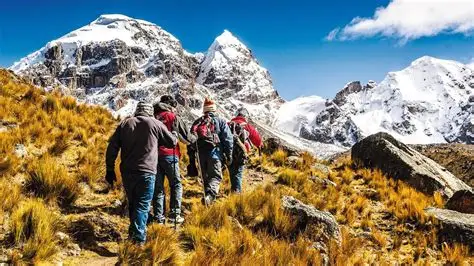
Ladakh, often called the “Land of High Passes,” is one of India’s most spectacular trekking destinations. For adventure seekers, nature lovers, and cultural explorers, Trekking in Ladakh is a journey into pristine wilderness, spiritual serenity, and adrenaline-pumping challenges. Nestled between the Karakoram and Himalayan ranges, Ladakh offers rugged landscapes, snow-clad peaks, turquoise lakes, and ancient monasteries. This article explores the highlights, famous treks, cultural impact, benefits, challenges, and future of trekking in Ladakh, helping travelers plan a memorable Himalayan adventure.
1. Why Trekking in Ladakh is Special
- Unique Terrain: High-altitude deserts, glaciers, and alpine meadows.
- Spiritual Significance: Trails often lead to monasteries and sacred lakes.
- Biodiversity: Rare species like snow leopards, Himalayan ibex, and migratory birds.
- Adventure Appeal: Treks range from easy village walks to extreme expeditions.
- Cultural Immersion: Interaction with Ladakhi communities and Tibetan Buddhist traditions.
2. Famous Treks in Ladakh
Markha Valley Trek
- Location: Hemis National Park.
- Highlights: Villages, monasteries, and views of Kang Yatse peak.
- Experience: Moderate trek, ideal for cultural immersion.
Chadar Trek
- Location: Zanskar River.
- Highlights: Walking on a frozen river during winter.
- Experience: One of the most challenging and unique treks in India.
Stok Kangri Trek
- Location: Near Leh.
- Highlights: Summit at 20,000 feet, panoramic views of Karakoram and Zanskar ranges.
- Experience: High-altitude expedition for seasoned trekkers.
Sham Valley Trek
- Location: Known as the “Baby Trek.”
- Highlights: Easy trails through villages and monasteries.
- Experience: Perfect for beginners and families.
Snow Leopard Trek
- Location: Hemis National Park.
- Highlights: Spotting elusive snow leopards in winter.
- Experience: A blend of adventure and wildlife exploration.
Lamayuru to Alchi Trek
- Location: Central Ladakh.
- Highlights: Ancient monasteries, lunar landscapes, and cultural immersion.
- Experience: Moderate trek with spiritual significance.
Nubra Valley Trek
- Location: North of Leh.
- Highlights: Sand dunes, monasteries, and views of Karakoram.
- Experience: Combines trekking with cultural exploration.
3. Cultural Impact of Trekking in Ladakh
Trekking in Ladakh is not just about adventure—it’s deeply cultural:
- Sacred Trails: Routes to monasteries like Hemis, Lamayuru, and Thiksey.
- Local Communities: Interaction with Ladakhi villagers and monks.
- Festivals: Treks often coincide with local festivals like Hemis Tsechu.
- Legends: Many trails are linked to Tibetan Buddhist traditions.
4. Activities Along Trekking Routes
- Camping: Nights under starry skies in high-altitude deserts.
- Wildlife Watching: Snow leopards, ibex, and migratory birds.
- Photography: Rugged landscapes, monasteries, and cultural scenes.
- Village Walks: Exploring traditional Ladakhi lifestyles.
- Spiritual Visits: Monasteries and sacred lakes along trekking routes.
5. Benefits of Trekking in Ladakh
Physical Fitness
- Trekking improves endurance and strength.
Mental Refreshment
- Nature and adventure reduce stress.
Cultural Learning
- Interaction with locals enriches understanding of traditions.
Family Bonding
- Easy treks like Sham Valley are family-friendly.
6. Best Time for Trekking in Ladakh
- Summer (June–September): Pleasant weather, ideal for most treks.
- Autumn (September–October): Clear skies, perfect for trekking and photography.
- Winter (January–February): Chadar Trek and Snow Leopard Trek.
- Spring (March–May): Blooming valleys, though some routes remain snowbound.
7. Challenges in Trekking Tourism
- High Altitude: Risk of altitude sickness.
- Overcrowding: Popular treks face tourist pressure.
- Infrastructure Issues: Need for better facilities and safety measures.
- Environmental Concerns: Waste management and preservation of fragile ecosystems.
- Accessibility: Remote treks require permits and logistical planning.
8. Sustainable Trekking Practices
To ensure long-term success, sustainable practices are essential:
- Promote eco-friendly accommodations and transport.
- Limit plastic use and encourage biodegradable materials.
- Support local artisans and communities.
- Educate trekkers about responsible behavior.
- Preserve heritage sites and natural ecosystems.
9. Government Initiatives
The Ladakh administration has launched several programs to promote trekking:
- Eco-Tourism Projects: Focused on sustainable practices.
- Adventure Festivals: Promoting trekking, rafting, and mountaineering.
- Infrastructure Development: Improved roads, campsites, and safety facilities.
- Digital Campaigns: Highlighting Ladakh as a global trekking destination.
10. Future of Trekking in Ladakh
The future of trekking tourism in Ladakh looks promising:
- Global Outreach: Attracting international adventure seekers.
- Smart Infrastructure: Use of apps, e-ticketing, and AI for crowd management.
- Luxury Adventure Tourism: Growth of premium camps and guided expeditions.
- Eco-Tourism: Greater focus on sustainability and conservation.
- Cultural Diplomacy: Promoting Ladakh as a symbol of India’s Himalayan heritage.
11. Conclusion
Trekking in Ladakh is more than an adventure—it is a journey into the Himalayas’ natural and cultural heritage. From Markha Valley’s cultural trails to Chadar’s frozen river, from Stok Kangri’s high-altitude summit to Sham Valley’s easy walks, Ladakh offers travelers a chance to connect with nature, spirituality, and tradition.
Whether you seek family fun, solo exploration, or cultural immersion, trekking in Ladakh promises unforgettable experiences. It is not just a journey across landscapes but a journey into devotion, biodiversity, and the soul of the Himalayas.