A Bathing Ape (BAPE) Products Guide: Hoodies, Shirts, Jackets, Pants & Backpacks Explained by a Streetwear Insider
Introduction: Why BAPE Still Matters
A Bathing Ape—better known as BAPE—isn’t just a streetwear brand. It’s a cultural artifact that grew out of early 1990s Harajuku, founded by Nigo, a DJ, fashion obsessive, and curator of Japanese youth culture long before “streetwear” became a global industry term. From the start, BAPE was intentionally niche: limited production, bold graphics, and a refusal to follow Western fashion rules. That mindset shaped everything that followed.
Three decades later, BAPE remains relevant because it never tried to chase trends—it built its own universe. The brand’s instantly recognizable camouflage, playful graphics, and Shark Hoodie silhouette still resonate with collectors, creatives, and everyday wearers alike. Walk through Tokyo, New York, London, or Paris, and you’ll still see BAPE worn in a way that feels personal rather than performative.
This guide breaks down five core BAPE product categories—the BAPE Hoodie, BAPE Shirt, BAPE Jacket, BAPE Pants, and BAPE Backpack—from the perspective of someone who has worn, bought, styled, and evaluated them over years. Whether you’re considering your first piece or refining a collection, this is a practical, experience-driven look at what BAPE actually offers today.
BAPE Hoodie
Design & Craftsmanship
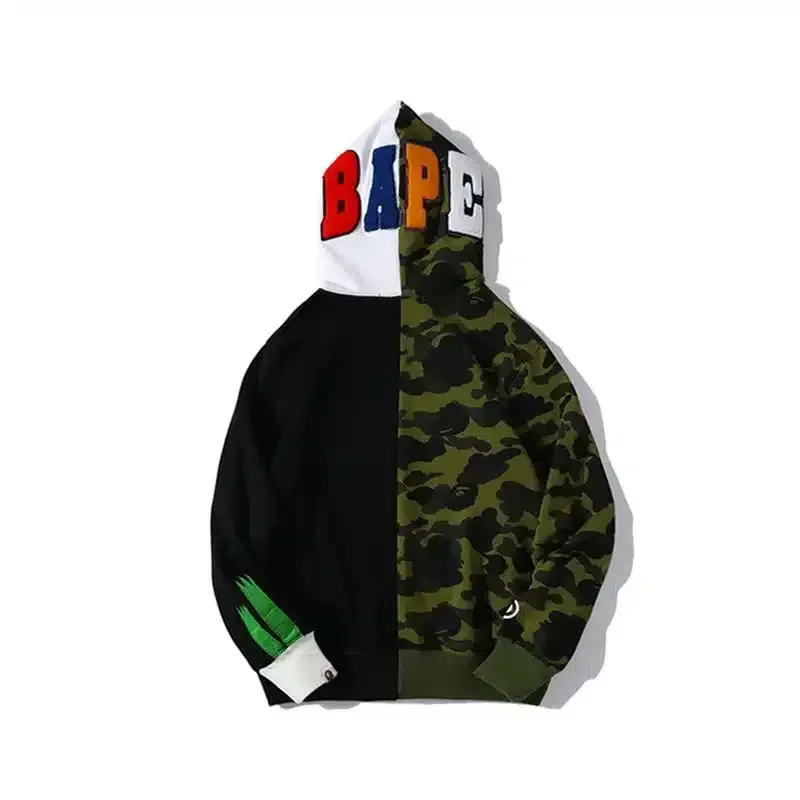
The BAPE Hoodie, especially the Shark Hoodie, is the brand’s most iconic product. Heavy cotton fleece, tight ribbing, and dense screen printing are standard. Zippers are sturdy (often YKK), stitching is clean, and panels align precisely—details replicas usually get wrong.
Fit & Sizing
BAPE hoodies follow Japanese sizing, meaning they run smaller than most US streetwear. If you want a relaxed fit, sizing up is usually the move. The cut is boxy but structured, not sloppy.
Comfort & Wearability
These hoodies are heavyweight and warm. In real life, they shine in fall and winter, or cool evenings when layering over a tee. Breathability is decent, but this isn’t a summer hoodie.
Styling in Real Life
- Streetwear fit: hoodie + straight-leg denim + sneakers
- Travel: comfortable but substantial for long flights
- Layered winter look: hoodie under a parka or varsity jacket
Who It’s Best For
Collectors, longtime streetwear fans, or anyone who wants a statement piece with cultural weight.
Everyday vs Collector Value
Some designs are daily-wear staples; Shark Hoodies often lean collector, especially limited colorways.
BAPE Shirt
Design & Materials
A BAPE Shirt typically uses midweight cotton with sharp graphics or all-over camo prints. Prints hold up well over time if washed properly.
Fit & Sizing
Slimmer than American tees. Length is slightly shorter, shoulders more tailored. Size up for a relaxed street fit.
Comfort & Seasonal Use
Ideal for spring and summer. Breathable, soft after a few washes, and easy to pack for travel.
Styling Scenarios
- Casual daily wear with jeans or cargos
- Layered under a hoodie or jacket
- Clean streetwear look with minimal accessories
Best For
People new to BAPE or those who want subtle branding without committing to outerwear prices.
Value
More wearable than collectible, but older graphics and Japan-only releases can still hold value.
BAPE Jacket
Construction & Details
A BAPE Jacket—whether nylon, varsity, or down—shows strong attention to construction. Expect solid insulation, durable outer fabrics, and functional pockets.
Fit Notes
Still Japanese-leaning, but outerwear allows more room for layering. Size up if wearing over hoodies.
Real-World Performance
- Nylon jackets work well for travel and light rain
- Down jackets handle winter well without excessive bulk
Styling
BAPE jackets pair best with neutral bottoms to balance bold prints. They’re often the centerpiece of an outfit.
Who Should Buy
Collectors or regular wearers who want a standout outer layer with longevity.
BAPE Pants
Design & Cut
BAPE Pants range from camo cargos to clean sweatpants. The fit is usually tapered, not baggy.
Comfort & Function
Sweatpants are soft and substantial; cargos use durable cotton twill. Pockets are functional, not decorative.
Everyday Wear
Easy to style with plain tees or hoodies. Great for travel days or casual city wear.
Value
Less hype-driven, more practical. Ideal for people who want wearable BAPE without loud branding.
BAPE Backpack
Build Quality
A BAPE Backpack uses thick nylon, reinforced stitching, and solid zippers. They’re built for daily use, not just looks.
Comfort & Capacity
Padded straps, structured backs, and enough space for laptops and daily essentials.
Styling & Use
Works well for school, commuting, or travel. Subtle camo versions age better than loud graphics.
Who It’s For
Someone who wants functional BAPE without wearing logos head-to-toe.
Comparison & Buying Insight
Compared to other streetwear brands, BAPE sits at the intersection of design-driven fashion and collectible culture. It’s not the most minimal, nor the most technical—but it’s one of the most recognizable.
Is BAPE Worth the Price?
If you value design history, build quality, and cultural relevance, yes. If you’re chasing trends only, probably not.
Who Should Buy BAPE Today?
- Streetwear enthusiasts who appreciate Japanese fashion
- Collectors who value legacy pieces
- Everyday wearers who want durable statement items
FAQ: BAPE Products Answered Honestly
Is BAPE worth the money?
BAPE is worth it if you care about craftsmanship, cultural history, and long-term wear. You’re paying for quality materials, limited production, and design legacy—not just a logo.
How can you tell if a BAPE hoodie is authentic?
Check stitching consistency, fabric weight, neck tags, wash labels, and zipper quality. Authentic BAPE feels heavier and more precise than replicas.
Do BAPE hoodies fit true to size?
Not exactly. They run small due to Japanese sizing. Most people size up for a comfortable fit.
Why are BAPE Shark hoodies so popular?
They’re instantly recognizable, rooted in early Harajuku culture, and were one of the first graphic zip hoodies to become collectible.
Are BAPE backpacks good for daily use?
Yes. They’re durable, comfortable, and practical—especially the simpler designs.
Is BAPE still trendy in 2025?
BAPE isn’t trend-dependent. Its relevance comes from consistency and heritage rather than chasing hype.
How do you style BAPE clothing?
Balance is key. Pair bold BAPE pieces with neutral basics to keep the outfit wearable.
Does BAPE hold resale value?
Certain hoodies and jackets do, especially limited releases. Basics are more about personal wear than resale.
Where is BAPE clothing made?
Production varies by item, with manufacturing across Japan and other countries under strict quality control.
Final Thought:
BAPE isn’t about wearing the loudest outfit—it’s about wearing something with history. Whether it’s a hoodie, shirt, jacket, pants, or backpack, the brand rewards people who understand its roots and wear it with intention.