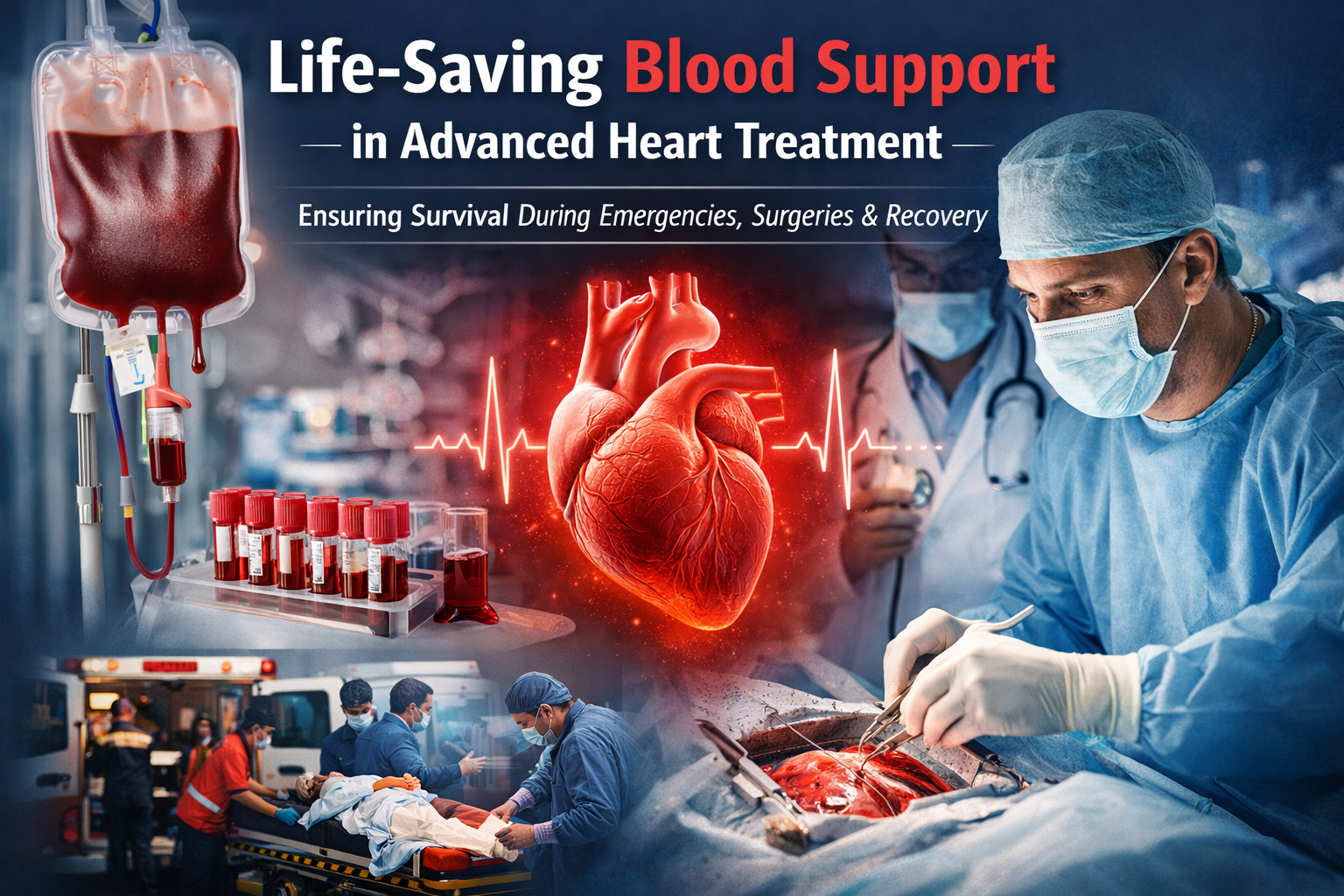
Heart care today has moved far beyond basic diagnosis and medication. With the rise of advanced cardiac procedures, emergency interventions, and complex surgeries, the role of blood support has become inseparable from successful heart treatment. From managing sudden cardiac events to supporting long and delicate procedures, timely access to safe blood can mean the difference between life and loss. In modern healthcare settings, especially where advanced heart treatment is provided, the presence of a well-equipped Blood Bank In Chennai ensures that patients receive uninterrupted, life-saving care when every second counts.
The Critical Link Between Blood Support and Cardiac Care
The heart is a highly sensitive organ, and any interruption in oxygen supply can have immediate and severe consequences. During heart attacks, open-heart surgeries, valve replacements, or bypass procedures, blood loss or reduced circulation is a real risk. Blood support helps stabilize patients by maintaining adequate hemoglobin levels, ensuring oxygen reaches vital organs, and preventing shock during critical moments.
In emergency cardiac cases, doctors often have very little time to act. Immediate access to compatible blood allows medical teams to proceed confidently with life-saving interventions without delay. This seamless coordination between cardiology units and blood services forms the backbone of effective heart care.
Supporting Complex Cardiac Surgeries
Advanced heart treatments often involve procedures that are intricate and time-intensive. Surgeries such as coronary artery bypass grafting, heart valve repair, and congenital heart defect correction may require multiple units of blood or blood components. Platelets, plasma, and red blood cells are used strategically to manage clotting, blood pressure, and oxygen delivery throughout the procedure.
Without reliable blood support, even the most advanced surgical techniques can face limitations. A robust blood management system ensures surgeons can focus fully on precision and outcomes rather than availability concerns. This support significantly reduces complications and improves recovery rates for patients undergoing major heart surgeries.
Managing High-Risk and Elderly Patients
Elderly patients and those with underlying conditions like anemia, diabetes, or kidney disease are especially vulnerable during heart treatment. Their bodies may not tolerate blood loss as well as younger, healthier individuals. Blood support helps balance these risks by providing tailored transfusions that meet the patient’s specific needs.
In high-risk cardiac patients, even minor fluctuations in blood levels can impact heart function. Continuous monitoring and timely transfusion support help maintain stability before, during, and after treatment. This integrated approach allows doctors to extend advanced heart care safely to patients who might otherwise face limited options.
Emergency Response and Cardiac Trauma Care
Heart-related emergencies often arise without warning. Road accidents, severe chest trauma, or sudden cardiac arrests may require immediate surgical intervention. In such cases, blood support becomes a frontline necessity. Rapid availability of screened and stored blood enables trauma teams to act decisively, minimizing delays that could prove fatal.
Emergency cardiac care relies on coordination. Cardiologists, surgeons, anesthetists, and blood bank teams work together to ensure that patients receive uninterrupted care during the most critical hours. This teamwork enhances survival rates and improves long-term outcomes.
Enhancing Recovery and Post-Treatment Outcomes
Blood support does not end once a cardiac procedure is completed. Post-operative recovery is a crucial phase where the body needs strength to heal. Adequate blood levels help reduce fatigue, support tissue repair, and prevent infections. Patients who receive appropriate blood support during recovery often experience shorter hospital stays and smoother rehabilitation.
Monitoring hemoglobin levels after heart treatment allows doctors to identify potential complications early. Corrective transfusions, when needed, help patients regain strength and return to daily activities with confidence. This continuity of care reinforces the overall success of advanced heart treatment.
Technology and Safety in Blood Management
Modern blood banks follow strict safety protocols to ensure every unit of blood is screened, stored, and transported correctly. Advanced testing methods reduce the risk of infections and ensure compatibility. Component therapy allows doctors to use only what the patient needs, reducing unnecessary exposure and improving efficiency.
Technology-driven inventory systems also help hospitals anticipate demand, especially during peak periods or emergencies. This preparedness ensures that advanced heart treatments are never compromised due to shortages.
Expertise That Brings It All Together
While technology and infrastructure play a major role, expertise remains central to effective heart care. Skilled cardiologists understand when blood support is required and how to use it optimally during treatment. Their decisions directly influence patient safety and recovery. Choosing care under the guidance of the Best Cardiologist In Chennai ensures that advanced heart treatment is complemented by precise clinical judgment and coordinated support systems.
A Holistic Approach to Saving Lives
Life-saving blood support and advanced heart treatment are not separate services; they are deeply interconnected. One strengthens the other, creating a comprehensive care model that prioritizes patient survival, safety, and quality of life. From emergency response to complex surgeries and recovery, blood support remains a silent yet powerful ally in modern cardiology.
As heart care continues to evolve, the integration of reliable blood services will remain essential. Together, they form a lifeline that transforms critical moments into stories of survival and renewed hope.