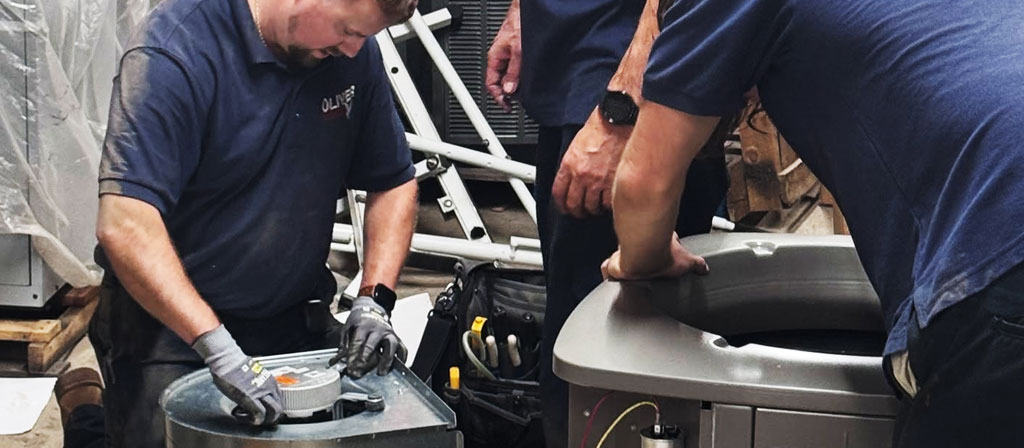
Heating and cooling systems work quietly in the background until something goes wrong. Many homeowners only think about HVAC care when the system stops working. This often leads to urgent calls, higher costs, and added stress. Understanding the difference between emergency repairs and scheduled maintenance helps homeowners make better decisions. It also helps protect comfort, safety, and long-term system performance. This article explains how emergency HVAC repairs differ from planned maintenance. It also explains when each service makes sense and why planning ahead matters for homeowners in Texas.
What does Emergency HVAC Repairs Mean?
Emergency HVAC repairs focus on resolving sudden, serious system failures. These issues affect comfort, safety, or the condition of the home. Homeowners usually request emergency service when heating or cooling stops completely. Extreme temperatures often make these situations more urgent. Emergency calls may involve electrical problems, refrigerant leaks, or system shutdowns. Technicians respond quickly because delays can worsen damage. Emergency HVAC Repair in Waxahachie often becomes necessary during heat waves or cold snaps. These repairs restore function but do not address long-term system health. Costs are also higher due to urgency and after-hours service.
What does Scheduled HVAC Maintenance Cover?
Scheduled maintenance focuses on prevention rather than repair. Homeowners book these visits in advance, often once or twice a year. Technicians inspect, clean, and adjust the system to keep it running efficiently. Maintenance includes tasks like filter replacement, coil cleaning, and electrical checks. These steps reduce wear and help identify small issues early. Planned service visits also provide predictable costs and timing. Many homeowners use maintenance to avoid calling for Emergency HVAC Repair in Waxahachie later. Regular care supports better airflow, stable temperatures, and lower energy use.
Key Differences Between Emergency Repairs and Maintenance
To clearly understand how these two services serve different purposes, it helps to compare them across timing, cost, intent, and long-term impact on the HVAC system.
Timing and Response
Emergency repairs require immediate attention and fast response times. Maintenance visits follow a set schedule that homeowners control.
Cost and Budget Impact
Emergency repairs usually cost more due to the urgency and labor requirements. Maintenance costs remain lower and easier to budget over time.
Purpose and Outcome
Emergency repairs restore comfort after failure. Maintenance reduces the chance of failure by improving system condition.
Impact on System Lifespan
Emergency fixes address symptoms of breakdowns. Maintenance supports long term performance and system durability.
When is Emergency HVAC Service Necessary?
Some situations require immediate action and should not wait. Complete system failure during extreme weather needs fast service. Burning smells or electrical issues also signal urgent risks. Water leaks or loud mechanical noises suggest possible damage. In these cases, Emergency HVAC Repair in Waxahachie helps protect both the home and its occupants.
Why Scheduled Maintenance Reduces Emergencies?
Maintenance visits catch problems before they escalate. Loose wiring, worn parts, or clogged filters often cause breakdowns. Addressing these early prevents sudden failures. Regular service also improves efficiency, which reduces system strain. Over time, this approach lowers the need for emergency calls and unexpected repairs.
Conclusion
Emergency repairs and scheduled maintenance serve different but connected purposes. Emergency service restores comfort during sudden breakdowns. Maintenance reduces the risk of those breakdowns in the first place. Homeowners benefit most when they combine both approaches. Planning routine care helps avoid stress, high costs, and uncomfortable surprises. When emergencies happen, fast service remains essential. With regular maintenance, those emergencies become far less frequent and easier to manage.