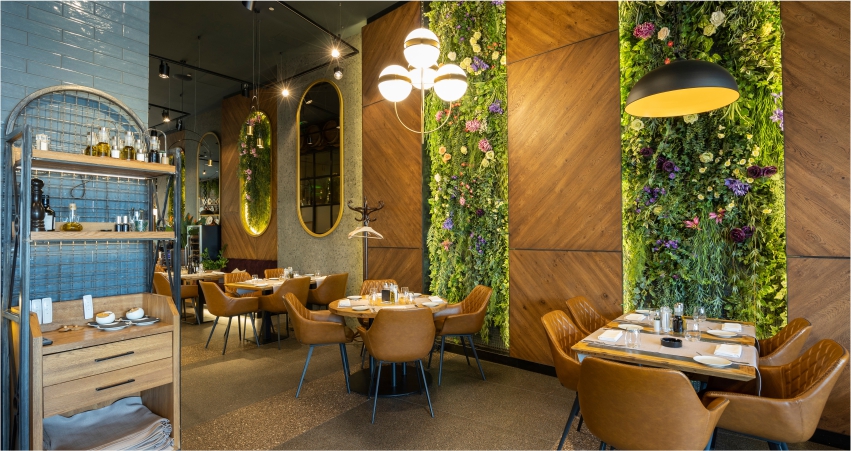
People search for design ideas that help restaurants and cafés look beautiful, balanced, and inviting. They want spaces that feel warm, expressive, and structured with purpose. This search inspires many owners to explore fresh design concepts that shape both identity and customer flow. As interest grows, people explore ideas tied to restaurant interior design in Malaysia in the middle of their planning as they study colour, light, and layout choices that shape the character of a dining space.
Moreover, strong design ideas support clear movement and simple comfort. They guide people from the entrance to each zone with ease. Owners recognise the value of choosing materials, furniture, and lighting that strengthen their theme and bring harmony into every corner. With the right guidance, the space gains personality and purpose.
Strong Design Guidance Matters
Good guidance helps owners shape restaurant and café spaces with clarity. Designers study themes, lighting needs, seating flow, and surface structure to form spaces that feel complete. They help owners understand how small details influence the whole design. Their ideas shape colours, textures, and layouts that support comfort and visually strong impressions.
Before viewing the list below, it helps to know that design guidance forms the backbone of every successful project. It keeps the plan steady and helps owners understand how each decision affects the full space. These points explain how guidance strengthens restaurant and café design.
Design Guidance Supports Strong Concepts:
- Designers examine the theme and choose textures, colours, and simple lines that shape a united look.
- They guide layout planning with a smooth flow that improves the balance between comfort, walkway space, and service zones.
- They select materials that support durability, visual strength, and long-term clarity across all dining areas.
These strengths help owners create spaces that feel structured and welcoming. Moreover, they support long-term design success by keeping each part of the project aligned.
Exploring Creative Ideas for Restaurant & Café Concepts
Creative ideas shape the heart of any restaurant or café interior. Designers think about light, spacing, focal points, and seating to shape a warm and expressive dining zone. Many owners explore concepts linked to bar design interior in KL when they search for inspiration that blends style with functional flow.
Before viewing the list, it helps to understand how creative concepts build the main identity of a restaurant or café. They bring life into the space and guide customers through each zone with clarity. These points show how creative ideas shape strong, memorable interiors.
Key Creative Concepts for Restaurants and Cafés:
- Designers use layered lighting to highlight features and bring gentle shape to the full space.
- They craft seating arrangements that support movement and create balance between group and private zones.
- They add décor elements that uplift personality without crowding important pathways.
These ideas build sa trong visual presence and support comfortable dining. Moreover, they help owners shape spaces that stay appealing through daily use.
Retail Design Influence on Restaurant Spaces
Retail design concepts inspire modern restaurants with ideas that guide customer behaviour and visual flow. These ideas use colour contrast, structured pathways, and balanced displays. They help owners shape stronger impressions and guide movement through the space. Many seek guidance from concepts tied to retail interior design in Malaysia because retail ideas blend clarity with purpose.
Before reading the list below, it helps to understand that retail strategies focus on visual attention and movement. They guide people naturally through designed paths that highlight the most important features. These points show how retail ideas support restaurant and café interiors.
These Retail Design Ideas That Enhance Dining Spaces
- Retail ideas use visual paths that guide attention toward key zones such as counters, artwork, or featured displays.
- They apply colour groupings that strengthen identity and highlight important details.
- They create flexible layouts that adapt easily to updates, theme changes, or seasonal décor choices.
These ideas help restaurants stay dynamic and visually strong. Moreover, they give owners design choices that adapt to new needs across time.
Comparing Different Design Directions
Restaurant and café design grows stronger when owners understand different approaches to shaping interiors. Each approach adds distinct strengths. Some focus on clean lines, while others rely on rich textures or artistic contrast. Understanding these differences helps owners match ideas to their brand story.
Before viewing the table below, it helps to know that each approach creates a specific atmosphere. The table offers a simple comparison to show how different design paths shape different experiences.
| Design Approach | Main Focus | Best For |
| Clean Lines | Simple shapes | Modern cafés |
| Rich Texture | Warm surfaces | Cosy dining spots |
| Bold Contrast | Strong accents | Creative restaurants |
This comparison supports owners as they explore their options. Moreover, it helps them match their brand themes with the right visual direction.
Designers Shape a Strong Restaurant Identity
A strong identity gives a restaurant or café clear character. Designers shape this identity with coordinated colours, balanced décor, and thoughtful furniture choices. They also create striking focal points that express the theme with confidence. This identity helps the space stand out and feel memorable.
Good identity work also supports comfort and function. Designers adjust lighting, spacing, and structural lines to keep the space organised. They refine each detail so the theme remains strong from the entrance to the final zone.
Improving Flow With Smart Layout Choices
Smart layout choices shape the way people move through a restaurant or café. Designers focus on walkway width, furniture placement, and service points. They ensure smooth pathways and organise zones so movement feels natural. Flow plays a major role in shaping comfort and experience.
Layout design also affects staff performance by shaping service routes and ordering areas. Designers balance visual appeal with practical movement spaces. This balance helps create a warm and functional environment for daily use.
Choosing the Right Designer for the Best Ideas
Choosing a skilled designer helps owners shape stronger concepts and clearer plans. Designers with strong experience guide owners through each step with direction and clarity. They study trends, location needs, and visual patterns to form a design that stays aligned with the brand.
Before exploring the points below, it helps to know that the right designer understands how to blend style and function in every zone. These points show what qualities help designers bring the best restaurant and café ideas to life.
Restaurant Design Expert:
- They listen closely to the owner’s goals and turn them into simple design actions that support the full space.
- They plan efficient steps that guide the project from start to finish with structure and balance.
- They suggest creative ideas that solve layout challenges and uplift the whole theme.
These qualities build trust and support smooth planning. Moreover, they help owners feel confident as the space grows into its final form.
Conclusion
Restaurant and café spaces grow stronger when shaped through clear concepts, creative guidance, and balanced structure. Each detail supports comfort, identity, and movement. A well-planned design uses colour, texture, and purpose to shape a memorable dining experience. When owners search for experienced help, they gain strong direction through thoughtful guidance. For trusted interior design services, owners may explore ACP Design to discover creative support that helps turn design ideas into beautiful, functional spaces.
FAQs
What makes a restaurant design idea strong?
A strong idea uses clear themes, neat lines, and a simple structure that shape the full experience.
How do designers improve café layouts?
Designers improve café layouts by planning movement zones, shaping balanced seating, and guiding lighting choices.
What helps restaurants build a strong interior identity?
Identity grows through colors, décor, and structured elements that express the main theme with clarity.
Why do cafés explore many design ideas before choosing one?
They explore ideas to find a concept that supports comfort, style, and a clear message that fits their brand.