
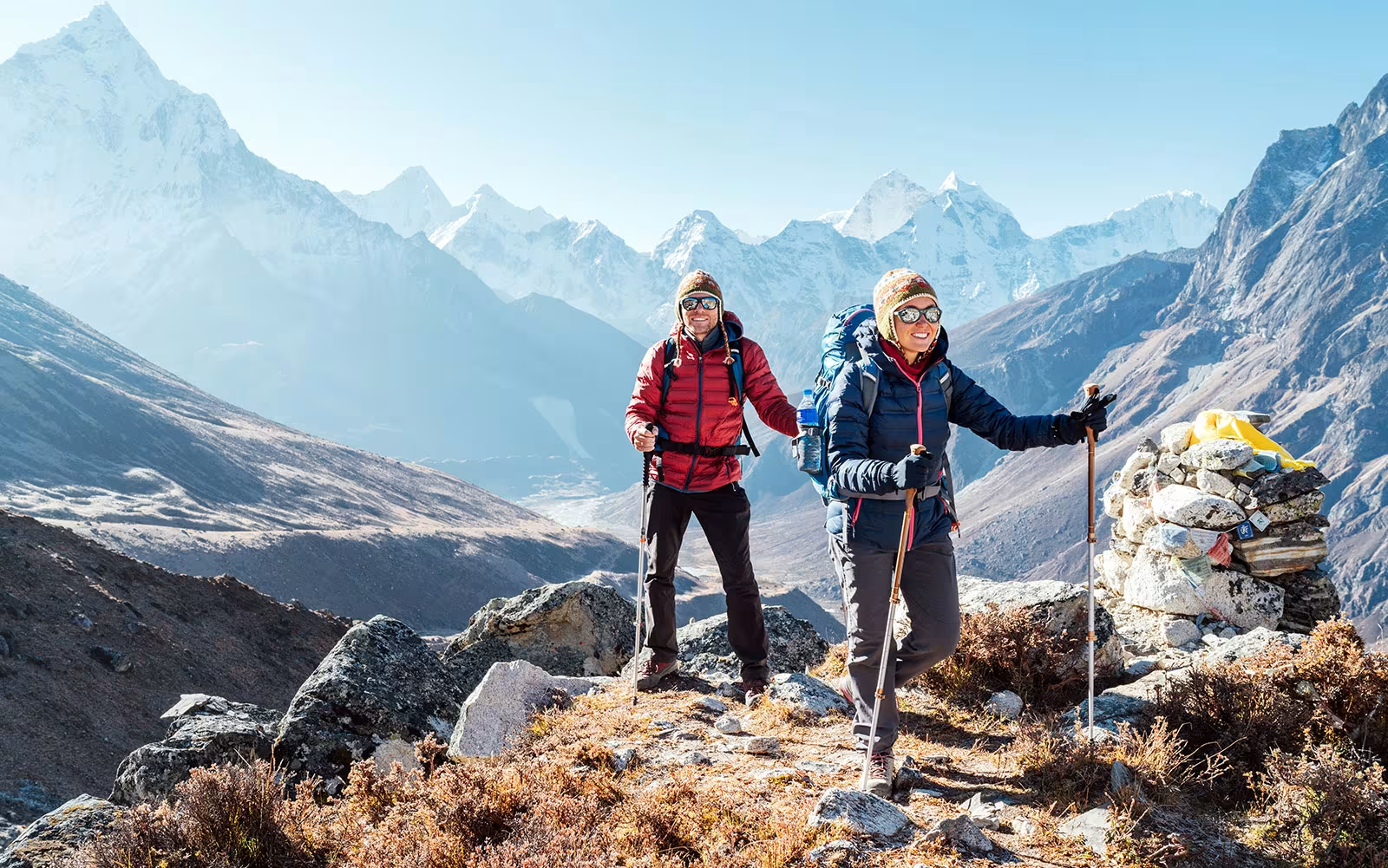
Ladakh, often called the Land of High Passes, is one of India’s most spectacular trekking destinations. With its stark desert landscapes, snow‑capped peaks, glacial rivers, and ancient monasteries, trekking in Ladakh offers a unique blend of adventure, culture, and spirituality. Unlike the lush greenery of Himachal or Uttarakhand, Ladakh’s treks are defined by rugged terrains, high‑altitude passes, and breathtaking views of the Trans‑Himalayan ranges.
This guide explores the most popular treks in Ladakh, types of trekking experiences, suggested itineraries, cultural highlights, and practical travel tips to help you plan an unforgettable Himalayan adventure.
1. Why Trekking in Ladakh is Special
- Unique Terrain: Cold desert landscapes, high passes, and glacial rivers.
- Cultural Immersion: Tibetan Buddhist monasteries, prayer flags, and local villages.
- Adventure: High‑altitude treks, frozen river expeditions, and camping under starry skies.
- Accessibility: Treks available for beginners, families, and seasoned adventurers.
- Eco‑Tourism: Focus on sustainable travel and conservation.
2. Popular Treks in Ladakh
a) Chadar Trek (Frozen Zanskar River)
- Highlights: Walking on the frozen Zanskar River in winter.
- Difficulty: Challenging.
- Best Season: January–February.
- Experience: Unique frozen landscape, caves, and icy trails.
b) Markha Valley Trek
- Highlights: Remote villages, monasteries, and desert landscapes.
- Difficulty: Moderate.
- Best Season: June–September.
- Experience: Cultural immersion with homestays in Ladakhi villages.
c) Stok Kangri Trek (Currently Restricted)
- Highlights: Summit at 20,000 ft, panoramic Himalayan views.
- Difficulty: Challenging, requires technical skills.
- Best Season: July–September.
- Experience: High‑altitude expedition for seasoned trekkers.
d) Sham Valley Trek (Baby Trek)
- Highlights: Short trek near Leh, suitable for beginners.
- Difficulty: Easy.
- Best Season: Year‑round.
- Experience: Ideal for families and cultural exploration.
e) Snow Leopard Trek (Hemis National Park)
- Highlights: Wildlife trek to spot elusive snow leopards.
- Difficulty: Moderate.
- Best Season: November–March.
- Experience: Eco‑tourism adventure with wildlife guides.
f) Lamayuru to Alchi Trek
- Highlights: Ancient monasteries, lunar landscapes.
- Difficulty: Moderate.
- Best Season: June–September.
- Experience: Spiritual trek with cultural immersion.
g) Nubra Valley Trek
- Highlights: Sand dunes, monasteries, and high passes.
- Difficulty: Moderate.
- Best Season: June–September.
- Experience: Blend of desert landscapes and Himalayan views.
h) Rupshu Valley Trek
- Highlights: Remote Changthang plateau, nomadic lifestyle.
- Difficulty: Challenging.
- Best Season: July–September.
- Experience: Offbeat trek with cultural immersion among Changpa nomads.
3. Types of Treks in Ladakh
a) Beginner Treks
- Sham Valley, Lamayuru to Alchi.
- Short duration, easy terrain, family‑friendly.
b) Moderate Treks
- Markha Valley, Nubra Valley, Snow Leopard Trek.
- Requires fitness, involves camping and altitude acclimatization.
c) Challenging Treks
- Chadar Trek, Rupshu Valley.
- High altitude, extreme weather, unique terrain.
d) Expedition Treks
- Stok Kangri (restricted), Kang Yatse II.
- Technical climbs, permits required, professional guidance essential.
4. Suggested Itineraries
5‑Day Beginner Trek (Sham Valley)
- Day 1: Arrival in Leh, acclimatization.
- Day 2: Trek to Yangthang village.
- Day 3: Trek to Hemis Shukpachan.
- Day 4: Trek to Ang village.
- Day 5: Return to Leh, departure.
7‑Day Moderate Trek (Markha Valley)
- Day 1: Arrival in Leh, acclimatization.
- Day 2: Drive to Spituk, trek to Zingchen.
- Day 3: Trek to Ganda La base.
- Day 4: Cross Ganda La, trek to Skiu.
- Day 5: Trek to Markha village.
- Day 6: Trek to Hankar and Thachungtse.
- Day 7: Return to Leh.
10‑Day Challenging Trek (Chadar Trek)
- Day 1–2: Arrival in Leh, acclimatization.
- Day 3–4: Trek along frozen Zanskar River.
- Day 5–6: Explore caves and icy trails.
- Day 7–8: Trek to Nerak village.
- Day 9: Return to Leh.
- Day 10: Departure.
5. Best Time for Trekking in Ladakh
- Summer (June–September): Ideal for valley treks like Markha and Nubra.
- Autumn (October–November): Clear skies, perfect for cultural treks.
- Winter (December–February): Chadar Trek, Snow Leopard Trek.
- Spring (March–May): Limited treks, but good for wildlife spotting.
6. Accommodation Options
- Camping: Tents and alpine campsites.
- Guesthouses: Local stays in villages.
- Eco‑lodges: Sustainable accommodations near trekking routes.
- Luxury Resorts: Available in Leh and Nubra Valley.
- Homestays: Authentic local experiences with traditional hospitality.
7. Cultural Highlights During Treks
- Monasteries: Hemis, Lamayuru, Thiksey.
- Festivals: Hemis Festival, Losar (Tibetan New Year).
- Villages: Remote Ladakhi settlements with unique traditions.
- Cuisine: Thukpa, momos, butter tea.
8. Travel Tips for Trekking in Ladakh
- Clothing: Layered woolens for high altitude, light cotton for Leh.
- Fitness: Prepare with cardio and strength training.
- Permits: Required for restricted areas like Nubra and Pangong.
- Safety: Acclimatize properly, carry medicines for altitude sickness.
- Gear: Trekking shoes, rain gear, sleeping bags, and backpacks.
- Local Etiquette: Respect traditions, avoid littering, and support eco‑friendly practices.
9. Why Trekking in Ladakh is Growing in Popularity
- Accessibility: Improved road and air connectivity.
- Diverse Attractions: Valleys, glaciers, monasteries, and wildlife.
- Eco‑Tourism: Focus on sustainable travel.
- International Interest: Popular among global travelers seeking Himalayan adventures.
Conclusion
The trekking routes in Ladakh are more than trails—they are immersive experiences that blend nature, culture, and adventure. From the grandeur of Chadar’s frozen river to the serenity of Markha Valley, from the thrill of Nubra’s desert landscapes to the charm of Sham Valley’s villages, Ladakh promises timeless trekking memories.
Whether you are a beginner seeking short hikes, a family enjoying cultural immersion, or an adventurer conquering high passes, Ladakh’s trekking destinations have something for everyone. Choosing to explore these treks ensures a journey that is both exhilarating and spiritually enriching.