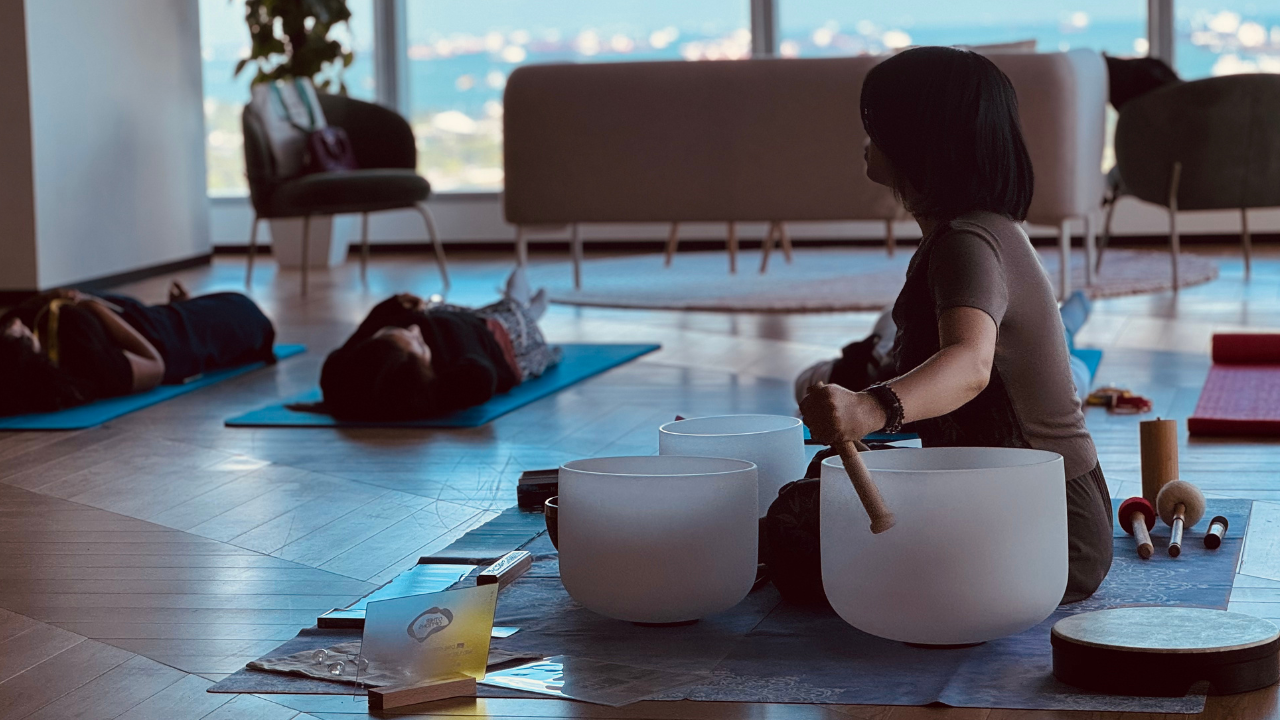
In 2023, a regional HR survey in Singapore shared a familiar pattern. A mid-sized tech firm noticed sick leaves rising and meetings feeling flat. Deadlines were still met, but energy was low. Employees were present, yet mentally tired. The leadership team realized something important. Productivity tools and flexible hours were not enough anymore. People needed support that addressed stress, focus, and emotional health together.
This realization mirrors what many companies across Singapore and globally are facing today. Burnout is no longer rare. It is common. And that is where a well-designed corporate wellness program plays a powerful role.
Why Burnout and Focus Issues Are Increasing in the Workplace
Workplace burnout is not about laziness or lack of skill. It is usually the result of long-term stress without proper recovery.
According to the World Health Organization, burnout is an occupational issue linked to chronic workplace stress that has not been managed well. The WHO also highlights that mental health conditions cost the global economy an estimated one trillion US dollars each year in lost productivity.
In Singapore, the Ministry of Manpower and the Institute of Mental Health have both reported increasing stress levels among working adults, especially in fast-paced industries like finance, tech, and healthcare.
Common causes include:
- Long working hours
- Always-on digital communication
- High performance pressure
- Limited time for mental reset
When burnout increases, focus drops. Creativity suffers. Teams become reactive instead of thoughtful.
What a Corporate Wellness Program Means ?
A modern corporate wellness program goes beyond gym discounts or step challenges. It looks at the whole person.
This includes:
- Mental wellbeing
- Emotional balance
- Physical relaxation
- Social connection at work
Holistic wellness focuses on prevention, not just fixing problems after they appear. It helps employees reset before stress turns into burnout.
Many companies in Singapore are now shifting toward programs that include mindfulness, guided relaxation, nature-based activities, and stress management workshops.
How Holistic Wellness Experiences Help Reduce Burnout
Burnout often starts in the nervous system. Constant pressure keeps the body in a fight-or-flight state. Holistic wellness experiences help calm this response.
1. Stress regulation through mindfulness and relaxation
Research published by Harvard Medical School shows that mindfulness-based practices lower cortisol levels, the hormone linked to stress.
Simple practices like guided breathing, sound therapy, or short meditation sessions help employees slow down mentally. When the nervous system calms, emotional exhaustion reduces.
Over time, employees report:
- Better sleep
- Lower anxiety
- Improved mood during work hours
2. Emotional release and mental clarity
Burnout is not only physical tiredness. It is an emotional weight.
According to the American Psychological Association, chronic stress reduces emotional regulation and decision-making ability.
Holistic wellness sessions give employees safe space to pause and reflect. This mental breathing room allows emotions to settle and thoughts to become clearer.
How Wellness Programs Improve Focus and Performance
Focus improves when the mind is not overloaded.
A study by the University of Warwick found that employees who reported higher wellbeing were up to 12 percent more productive than those struggling with stress.
Here is why holistic wellness improves focus:
1. Better brain function
Relaxation practices increase blood flow to the brain. This supports memory, attention, and problem-solving.
The Global Wellness Institute reports that employees who participate in regular wellbeing activities show improved concentration and task accuracy.
2. Fewer mental distractions
When stress reduces, mental noise reduces too.
Employees spend less time worrying and more time engaging with their tasks. Meetings become sharper. Decision-making becomes faster and calmer.
Reduced Absenteeism and Lower Health-Related Costs
Burnout often leads to sick days, medical leave, or even resignation.
Harvard Business Review has cited research showing that for every dollar invested in employee wellness, companies can see returns through reduced healthcare costs and fewer absences.
In Singapore, where healthcare costs and talent retention are major concerns, preventive wellness becomes a smart business move.
Wellness programs support:
- Fewer stress-related sick leaves
- Reduced long-term health risks
- Better work attendance consistency
Stronger Employee Engagement and Team Connection
Wellness is also about how people feel with each other at work.
Gallup research consistently shows that engaged employees perform better and stay longer with their organizations.
Group wellness experiences help teams:
- Build trust
- Communicate openly
- Feel supported beyond job roles
Shared experiences outside daily tasks strengthen relationships. This creates a culture where people feel valued, not just evaluated.
Why Holistic Wellness Approaches Outperform Basic Perks
Free snacks and gym memberships have value, but they do not address mental overload directly.
This deeper need for recovery and clarity is something leaders are beginning to recognize.
“Even the strongest leaders need space to breathe. Clarity doesn’t come from doing more. It comes from recharging deeply.” — Cen Yang, Founder and CEO, Other Options Healing & Coaching.
Holistic experiences work because they:
- Address stress at its root
- Support emotional health
- Encourage self-awareness
- Create moments of genuine rest
Deloitte’s workplace wellbeing insights emphasize that programs focused on mental and emotional health deliver stronger long-term results than surface-level benefits.
This is why companies exploring a corporate wellness program grounded in holistic practices are seeing a deeper impact on burnout reduction and focus improvement.
The Shift Toward Holistic Corporate Wellness in Singapore
Many Singapore-based organizations are now investing hours of research into understanding employee wellbeing trends.
From financial institutions to creative agencies, companies are introducing:
- Mindfulness workshops
- Guided relaxation sessions
- Nature-based team experiences
- Stress management education
These programs are often customized to fit local work culture, which values performance but is learning to value balance too.
How to Implement An Effective Corporate Wellness Program
A successful wellness program does not need to be complex. It needs to be thoughtful.
Key principles include:
- Leadership support and participation
- Consistent scheduling, not one-off events
- Safe, inclusive spaces for all employees
- Clear purpose aligned with company values
According to the World Economic Forum, wellbeing strategies work best when employees feel psychological safety and trust in leadership.
Long-Term Benefits for Businesses and Employees
When wellness becomes part of work culture, results compound over time.
Organizations experience:
- Higher retention
- Stronger employer brand
- Better team resilience
- Sustainable performance growth
Employees experience:
- Improved mental clarity
- Better work-life balance
- Increased sense of purpose
- Healthier relationships at work
Wellness as a Business Essential
Burnout is not a personal failure. It is a system issue. And systems can be redesigned.
A corporate wellness program built on holistic experiences helps employees slow down, reset, and refocus. It supports human energy, not just output.
As workplaces in Singapore continue to evolve, companies that invest in real wellbeing will not only protect their people. They will strengthen their future.
Wellness is no longer extra. It is essential.