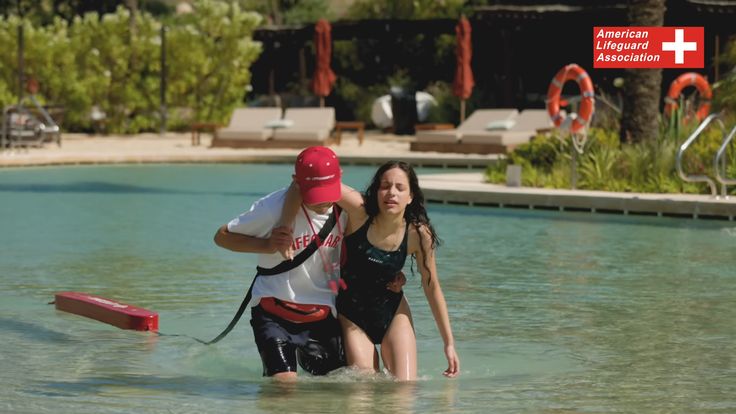
Lifeguard certification is essential for anyone who wants to work in aquatic safety and protect people around water. Lifeguards are trained to respond quickly to emergencies, prevent accidents, and provide lifesaving assistance when it matters most.
From swimming pools to beaches and water parks, certified lifeguards play a major role in keeping communities safe. They are trained to recognize risks early and handle serious incidents like drowning, injuries, and sudden medical emergencies.
Many employers require professional certification before hiring lifeguards. This certification includes hands-on rescue training, CPR, first aid, and emergency response skills. The good news is that finding lifeguard certification courses near me is now easier than ever.
This guide will explain why certification matters, what skills are included, how the process works, and how to find reputable courses through trusted providers like American Lifeguard USA.
Summary
This guide explains how lifeguard certification courses near me help individuals gain the essential skills needed for aquatic safety through blended learning and hands-on training. It covers key lifeguarding skills such as surveillance, rescue techniques, CPR/AED, first aid, emergency communication, and teamwork. You’ll also learn how certification requirements work, how to choose a quality training provider, what to expect during training, and how finding the right course can prepare you for real-world rescue situations.
Why Lifeguard Certification Matters
Lifeguard certification is important because it prepares individuals to protect lives in aquatic environments. Drowning incidents can happen silently and quickly, and lifeguards must respond within seconds.
Certification programs teach lifeguards how to prevent accidents through surveillance, recognize swimmers in distress, and perform rescues safely. They also train lifeguards to respond to medical situations with CPR, AED use, and first aid.
Certified lifeguards also build trust in public areas. Families and facility managers feel more confident when trained professionals are on duty. That is why certified lifeguards are essential for community safety.
Most lifeguard certification courses near you will include:
• CPR and First Aid training
• Rescue techniques for different water environments
• Use of rescue equipment (buoys, tubes, backboards)
• Emergency response and communication skills
• Teamwork and professional decision-making
Certification isn’t just about passing a test it’s about being ready to act responsibly during real emergencies.
What to Expect in Lifeguard Certification Courses
Lifeguard certification courses combine classroom learning with practical water-based training. Students learn how to stay calm under pressure and perform rescues in realistic conditions.
During training, candidates practice:
swimming endurance and skill drills
active and passive victim rescues
deep-water and shallow-water rescues
CPR and AED scenarios
spinal injury and backboard techniques
Most courses include simulated emergency scenarios to improve confidence and decision-making. Trainees also learn to work with teams and follow Emergency Action Plans (EAPs), which are critical in real-life rescues.
A typical lifeguard certification course covers:
• Swimming proficiency and endurance skills
• CPR, AED and first aid techniques
• Rescue skills in different environments
• Back boarding and spinal injury management
• Realistic rescue simulations and drills
This structured training ensures lifeguards are prepared for professional jobs and public safety responsibility.
Key Skills and Certifications Covered
A quality lifeguard course focuses on core safety skills that every professional must master. These skills help lifeguards prevent accidents and respond efficiently in emergencies.
Swimming and Rescue Skills
Candidates learn efficient swim strokes, safe entries, approaches, and victim support techniques to perform rescues confidently.
First Aid, CPR, and AED
Lifeguards must be trained in lifesaving care, including chest compressions, rescue breathing, AED operation, and injury management.
Rescue Equipment Use
Courses teach how to properly use rescue tubes, backboards, and other lifeguarding tools.
Emergency Communication and Teamwork
Lifeguards learn to communicate quickly, call emergency services, and work as part of a rescue team.
Key competencies included in certification:
• Mastery of swim strokes and endurance
• CPR, first aid, and AED use
• Rescue tool and equipment skills
• Handling spinal and head injuries
• Professional leadership and confidence
These skills must be renewed regularly to ensure continued readiness and updated training.
Lifeguard Certification: Requirements and Process
To enroll in a lifeguard certification course, candidates must meet basic prerequisites. Requirements may vary slightly depending on the provider, but most programs include:
Minimum age requirement (usually 15+)
Pre-course swim test
Ability to tread water
Swimming endurance assessment
The certification process includes both theory and hands-on practical exams. Candidates must demonstrate rescue techniques, CPR response, and emergency preparedness.
Key steps include:
• Completing training sessions (class + pool)
• Passing written and skills assessments
• Demonstrating rescue and response techniques
• Receiving certification upon completion
• Recertifying before expiration
Certification gives individuals access to jobs at pools, beaches, recreation centers, and water parks, making it a valuable professional step.
Finding Lifeguard Certification Courses Near Me
Searching for lifeguard certification courses near me is simple with online tools and training providers offering flexible schedules. Many organizations offer in-person and hybrid formats, combining online learning with practical sessions.
To find the best course near you:
Check local pools and community centers
Search online through trusted websites
Look for recognized certifications
Read reviews and class details
Compare schedules and pricing
Look for courses that include:
• Qualified instructors
• Hands-on practice
• Nationally recognized certification
• Clear safety guidelines
• Convenient locations and flexible dates
Types of Lifeguard Certification Programs
Different lifeguard programs are designed for different aquatic environments. Choosing the right one depends on where you want to work.
Pool Lifeguard Certification
Focuses on rescues in controlled environments like pools and indoor aquatic centers.
Beach / Open Water Lifeguard Training
Includes surf rescues, tides, currents, and stronger physical endurance requirements.
Water Park Lifeguard Training
Includes slide safety, wave pool rescues, and rapid emergency response for crowded environments.
Key program types include:
• Pool lifeguard certification
• Beach and open water certification
• Water park lifeguard training
• Advanced rescue and specialty courses
Understanding course types helps candidates choose the certification that matches their career goals.
Real-Life Emergency Scenarios in Training
The best lifeguard certification programs include real-life scenario simulations. These exercises prepare candidates for situations they may face during actual duty.
Common scenarios include:
• Unconscious victim rescue
• Spinal injury and back boarding
• Active drowning victim rescue
• Multiple victim emergencies
• CPR/AED under stress situations
Scenario training builds confidence, improves speed, and teaches lifeguards how to stay calm under pressure.
Lifeguard Certification FAQs
What age do I need to be for certification?
Most programs require candidates to be at least 15 years old, though requirements can vary.
How long does certification take?
Most lifeguard certification courses take 20–30 hours, depending on course structure.
Can I renew my certification online?
Some renewals offer online learning, but most require an in-person skills assessment.
Key FAQs include:
• Minimum age requirement
• Course duration
• Online renewal options
• Skill testing requirements
Conclusion: Get Certified and Start Your Lifeguard Career
Choosing the right lifeguard course is the first step toward a professional career in aquatic safety. A certified lifeguard is trained to protect lives, prevent accidents, and respond effectively when emergencies happen.
If you’re looking for lifeguard certification courses near me, make sure you choose a training provider that offers hands-on instruction, recognized certification, and updated safety standards.