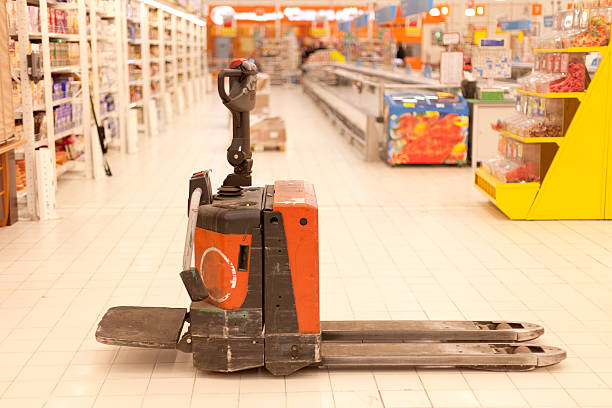
Retail and warehouse spaces demand clear movement with steady effort each day. Teams handle stock to meet targets that support customers under constant pressure. Simple tools help work stay balanced or safe. Many sites now rely on powered handling to protect staff or goods. An electric pallet truck supports this need by lifting loads or guiding them across floors with ease. For these shifts run long, this support matters. As a result, teams move goods with care, keep pace with demand, and maintain order across busy aisles with loading zones.
Why Retail and Warehouses Depend on Electric Handling
Retail floors with stock rooms demand smooth movement. Loads arrive fast that must leave on time. This reach truck meets that need; therefore, they guide pallets through tight paths that open bays. As a result, teams keep shelves full of orders on track.
Key strengths include:
- Clear steering that suits narrow spaces
- Strong lift for daily stock flow
- Quiet motion that fits open stores
- Simple controls that guide new users
Even when work never stops, these tools keep pace from morning to night.
Supporting Daily Store Operations
Stores receive goods through shared doors with small lanes. Staff must move stock without blocking shoppers while these trucks glide through back rooms or sales floors. So staff refill shelves without delay, so this keeps displays neat with clear aisles.
Reducing Strain on Store Teams
Retail work involves lifting to walking for extended periods, even though these machines carry the load instead. While arms and backs face less stress, teams keep energy for service tasks. This supports morale and focus across shifts.
How Logistics Centres Gain from Smart Pallet Movement
Logistics centres thrive on rhythm while goods enter, shift that exit without delay. An electric pallet truck for logistics supports that rhythm, while it carries weight with ease and cuts strain on hands and backs. So staff stay fresh with focus.
Core benefits for logistics teams:
- Fast loading at the docks
- Clean turns in packed lanes
- Steady travel across long floors
- Fewer pauses during peak hours
Since time is a key factor in shaping profit, each move counts.
Keeping Goods on Schedule
Every delay affects delivery times; therefore, these trucks help teams meet targets. They move pallets from inbound to outbound zones with speed even schedules stay firm so that clients stay satisfied.
Improving Floor Flow
Busy hubs face traffic from people with machines; each clear control helps drivers avoid crashes. While a movement stays smooth, goods flow without pile-ups.
Choosing the Right Fit for Your Space
Every site holds a different layout. Some need low lifts for short runs, while others need height to reach. A reach truck helps in tall racking zones, but pallet movers suit ground-level flow. So match the tool to aisle width, load size, and shift length.
Understanding Aisle Width
Narrow aisles demand tight turns; therefore, wide lanes allow larger frames. Even choosing the right size prevents damage or delays, so it also protects the racking with stock.
Matching Load Types
Some loads sit on small pallets. Others weigh more or hold uneven shapes. Choosing the right lift strength keeps goods stable, which protects both products from people.
Safety and Control on Every Shift
Safety leads every task; even these trucks respond to touch and stop on cue. Handles guide speed and lift with care. While staff trust the controls, they work with calm focus. Fewer jolts mean fewer slips and drops.
Safety features that matter:
- Clear handle grips.
- Smooth braking response.
- Stable base for heavy loads.
- Strong grip on warehouse floors.
Even safety builds trust, teams work with confidence.
Training New Staff with Ease
Simple controls shorten learning time. New staff gain skills without fear. This helps managers fill shifts with ease and keep output steady.
Energy Use and Workplace Comfort
Modern handling tools reduce noise and fumes. This suits indoor spaces where people work close by. Quiet movement helps focus and clear speech. Clean power supports air quality across closed areas.
Supporting Long Shifts
Long shifts test focus and strength. These tools reduce walking and lifting. Therefore, teams keep pace without fatigue. This supports steady output through peak hours.
Maintenance and Daily Care
Strong tools need care. Regular checks keep them ready for work. This includes wheel checks, handle response, and battery care. For upkeep, stays simple, with downtime staying low.
Daily care steps include:
- Checking wheels before shifts
- Inspecting controls for response
- Charging power units after use
- Keeping paths clear of debris
Good care extends service life and keeps work smooth.
Streamlining Stock Flow Across Departments
Smooth stock flow keeps every department moving together, while goods glide without delay, and teams avoid jams and mix-ups. Clear paths guide staff as they shift items between receiving, storage, and dispatch areas, so daily tasks follow a steady rhythm and remain easy to track. As a result, work stays organised and predictable across the floor.
How Clear Flow Supports Team Efficiency
- Cuts waiting time fast
- Clears shared zone crowding
- Links teams with timing
- Keeps areas clean
While a movement stays smooth, teams finish work with less strain and more control.
Adapting Handling Practices to Seasonal Demand
Workload often swells during peak seasons, so flexible handling methods help teams respond with calm focus. When layouts and routines shift fast, operations stay steady, therefore staff keep balance even under pressure. In turn, this supports clear thinking and steady output.
Preparing for Demand Changes
- Adjusts routes for volume
- Speeds busy turnarounds
- Eases team pressure
- Maintains work order
With the right approach, seasonal change feels clear, controlled, and manageable.
Long-Term Value for Distribution Centres
Distribution centres face heavy demand. Tools must last and adapt. An electric pallet truck for logistics meets that test. It reduces fatigue and supports steady output. Therefore, teams move more pallets with less strain. Over time, this builds trust in the process and pride in the work.
Supporting Growth and Change
As demand grows, centres adjust layouts and volumes. Flexible tools fit new paths and tasks. So operations scale without stress.
Final Thought
Strong operations depend on tools that match daily tasks and space limits. From retail stores to large hubs, steady handling shapes output and safety. Staff work best when movement feels controlled and clear. An electric pallet truck plays a key role by reducing strain and keeping loads stable through each shift. Therefore, teams stay focused and confident in their work. Over time, this balance supports better flow, fewer delays, and stronger results. Choosing the right handling approach helps people and processes move forward together.
FAQs
- How do these handling tools improve daily work?
They help staff move heavy loads with less effort. This reduces strain and saves time. As a result, teams stay focused on tasks like sorting, loading, and restocking throughout the day.
- Are these tools suitable for small spaces?
Yes, many models suit narrow aisles and tight back rooms. Their compact design allows smooth turns, which helps staff move goods safely without blocking walkways or work areas.
- How much training do staff need to use them?
Most staff learn quickly because controls feel simple and clear. Short training sessions help users gain confidence, which supports safe use and steady work during busy shifts.
- Do these tools support long working hours?
They reduce walking and lifting during shifts. This helps staff save energy, stay comfortable, and maintain focus, even when workloads rise or shifts extend.