Most office break-ins do not happen at night. They happen during working hours, using lost, copied, or misused keys. For many offices, that realisation comes too late.
Traditional lock and key systems feel simple. Yet, as teams grow and risks change, cracks start to show. Keys go missing. Locks need replacing. Access becomes hard to track.
This guide breaks down the real differences between a card access system and a lock and key setup for offices. You will see how they compare on security, cost, control, and daily use. The goal is simple. Help you choose an access control system in Singapore that fits how modern offices actually work.
What Is a Traditional Lock and Key System?
This is the most familiar setup. A physical key opens a mechanical lock installed on doors. It works without power or software. Anyone with the key can enter. That simplicity is also its biggest weakness.
Common features include:
- Metal keys issued to staff
- Manual locks on doors
- No digital record of access
- Locks replaced when keys are lost
This system suits very small offices with low traffic and minimal security needs.
What Is a Card Access System?
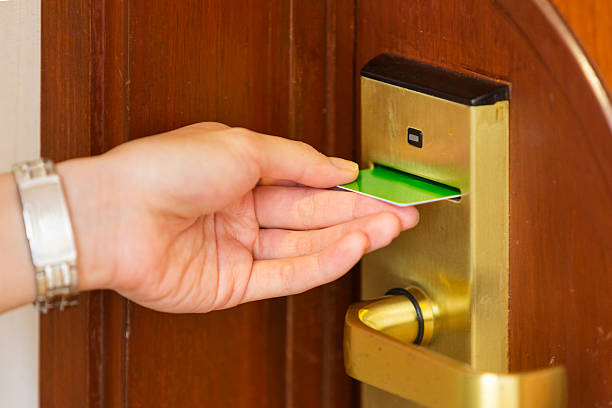
A card access system uses electronic credentials instead of physical keys. Staff tap a card or key fob to enter.
The system checks access rights before unlocking the door. Every entry can be logged and controlled.
Most card access system in Singapore include:
- RFID cards or key fobs
- Electronic door locks
- Access control panels
- Software for user management
This setup is designed for modern offices with changing teams and higher security needs.
Card Access System vs Lock and Key: Core Differences
This section covers the key areas that matter most for office owners and managers.
1. Security Level and Risk Control
Security is usually the first reason offices rethink traditional locks.
Lock and Key Security Limits
Keys are easy to lose and hard to track. Once a key is copied, there is no way to stop it. If a staff member leaves and keeps the key, the risk stays. The only fix is changing the lock.
Main issues include:
- No control after key handover
- No way to track access
- High risk if keys are copied
- Slow response to security threats
For offices handling sensitive data, this creates ongoing exposure.
Card Access System Security Benefits
A card access system gives far better control. If a card is lost, it can be deactivated in seconds. No locks need replacing. Access rights can also be limited by time or area.
Security advantages include:
- Instant card deactivation
- Entry logs for audits
- Role-based access control
- Integration with alarms or CCTV
This makes the access control system in Singapore a strong fit for regulated or fast-growing offices.
2. Access Control and Visibility
Knowing who enters and when matters more than many offices realise.
Lack of Visibility with Keys
With keys, there is no record of use. You never know:
- Who entered after hours
- When a room was accessed
- Whether unauthorised access occurred
If an incident happens, there is no data to review.
Full Visibility with Card Access Systems
Card access systems record every tap.
This creates a clear access trail that helps with:
- Internal investigations
- Compliance checks
- Attendance review
- After-hours monitoring
For offices in Singapore that must meet data or safety rules, this visibility is a major advantage.
3. Cost: Short-Term vs Long-Term
Cost often drives early decisions, yet long-term impact matters more.
Initial Cost of Lock and Key Systems
Lock and key systems cost less upfront. Hardware is simple and installation is quick. However, hidden costs appear over time.
These include:
- Lock replacement after lost keys
- Rekeying when staff leave
- Time spent managing keys
For growing offices, these costs add up faster than expected.
Long-Term Value of Card Access Systems
A card access system costs more at the start. Yet, it reduces ongoing expenses.
Savings come from:
- No rekeying costs
- Faster staff onboarding
- Central access management
- Lower security incident risk
Over several years, many offices find the access control system in Singapore more cost-effective.
4. Scalability as Your Office Grows
Office needs rarely stay the same.
Limits of Traditional Locks
Every new hire needs a key. Every role change needs manual tracking.
As teams grow, problems follow:
- Too many keys in circulation
- Poor access consistency
- High admin effort
Traditional locks do not scale well beyond small teams.
Easy Scaling with Card Access Systems
Card access systems are built to scale. Adding or removing users takes minutes. Access levels update instantly.
They also support:
- Multiple doors and floors
- Department-based access
- Temporary visitor access
For offices planning growth, this flexibility matters.
5. Daily Convenience for Staff
Access systems affect daily work more than many expect.
Day-to-Day Use of Keys
Keys are simple. Yet, they are easy to forget or misplace.
Common issues include:
- Locked-out staff
- Shared keys between teams
- Delays waiting for replacements
These small problems disrupt work more than people admit.
Smooth Access with Cards
Cards are lighter and easier to manage. Many staff already carry them with ID badges.
Extra convenience comes from:
- Faster entry
- Fewer lockouts
- Cleaner access flow
Some access control systems in Singapore also support mobile access, which removes cards altogether.
6. Control Over Visitors and Contractors
Visitor access is often overlooked.
Visitor Access with Lock and Key
With keys, visitor access is manual and risky.
Options are limited:
- Escort visitors at all times
- Share keys temporarily
- Leave areas unlocked
None of these feel secure or efficient.
Smarter Visitor Control with Card Systems
Card access systems allow temporary access.
This means you can:
- Issue time-limited cards
- Restrict access to certain areas
- Revoke access instantly
For offices with regular vendors or contractors, this is a major improvement.
7. Compliance and Audit Readiness
Some industries must prove access control.
Compliance Gaps with Traditional Locks
Lock and key systems offer no audit trail.
This makes compliance harder for:
- Finance offices
- Healthcare providers
- Tech firms handling data
Manual logs rarely stand up to scrutiny.
Audit Support from Access Control Systems
Card access systems store access records automatically.
These logs support:
- Security audits
- Incident reviews
- Internal controls
This is why many regulated businesses in Singapore upgrade early.
Choosing the Right System for Your Office
There is no one-size-fits-all answer. What works for a small design studio may not suit a multi-floor corporate office. Start by looking at how your office actually runs.
- Office size and layout: A single-door office has very different needs from a space with multiple entry points, meeting rooms, and restricted areas.
- Staff count and turnover: If people join and leave often, managing physical keys becomes harder to control. Digital access is easier to update.
- Security risk level: Offices handling client data, equipment, or confidential work need tighter access rules than low-risk spaces.
- Budget over five years: Initial cost matters, yet long-term maintenance, rekeying, and admin time also add up.
- Compliance needs: Some industries require access records and audit trails. Not every system can support that.
Conclusion
The choice between a card access system and a traditional lock and key is no longer just about cost. It is about control, visibility, and how your office actually operates day to day.
Lock and key systems offer simplicity but little flexibility. Card access system in Singapore provides stronger security, better oversight, and room to grow. For most offices in Singapore, that balance now matters more than ever.
By understanding how each option performs in real office settings, you can choose an access control system that supports safety, efficiency, and long-term peace of mind.
FAQs
Is a card access system safer than a lock and key?
Yes. A card access system allows instant access removal, entry logs, and controlled permissions. Lost keys cannot be tracked or disabled.
How long does it take to install an access control system in Singapore?
Most small to medium offices complete installation within one to three days, depending on door count and system type.
Can card access systems work during power failure?
Most systems include battery backup or fail-safe modes. Critical doors remain functional during short outages.
Are card access systems expensive to maintain?
Ongoing costs are usually low. Most maintenance involves software updates and occasional hardware checks.