Start With Calm, Not Clutter
One of the most common mistakes homeowners make is trying to include too many features in a single bathroom. Multiple finishes, bold patterns, and oversized fixtures often work against the sense of calm people are aiming for.
A spa-like bathroom begins with restraint. That doesn’t mean boring—it means purposeful.
Simple Ways to Reduce Visual Noise
-
Limit the number of materials used
-
Choose fixtures with clean, understated profiles
-
Keep countertops as clear as possible
A quieter design allows textures, light, and space to do the heavy lifting.
Thoughtful Lighting Sets the Mood
Lighting is one of the most powerful tools in a bathroom renovation, yet it’s often treated as an afterthought. Spa environments rely on layered lighting to create softness and flexibility.
Lighting Layers That Work Well
-
Ambient lighting for overall brightness
-
Task lighting at mirrors that avoids harsh shadows
-
Accent lighting in niches or under vanities
An insider tip: installing dimmers on all bathroom lighting gives you instant control over mood without changing fixtures. It’s a small detail that makes a noticeable difference.
Materials That Feel Good, Not Just Look Good
In spa-like bathrooms, materials matter as much to the touch as they do visually. Cold, overly polished surfaces can feel clinical rather than relaxing.
Material Choices That Enhance Comfort
-
Matte or honed stone finishes
-
Wood or wood-look elements for warmth
-
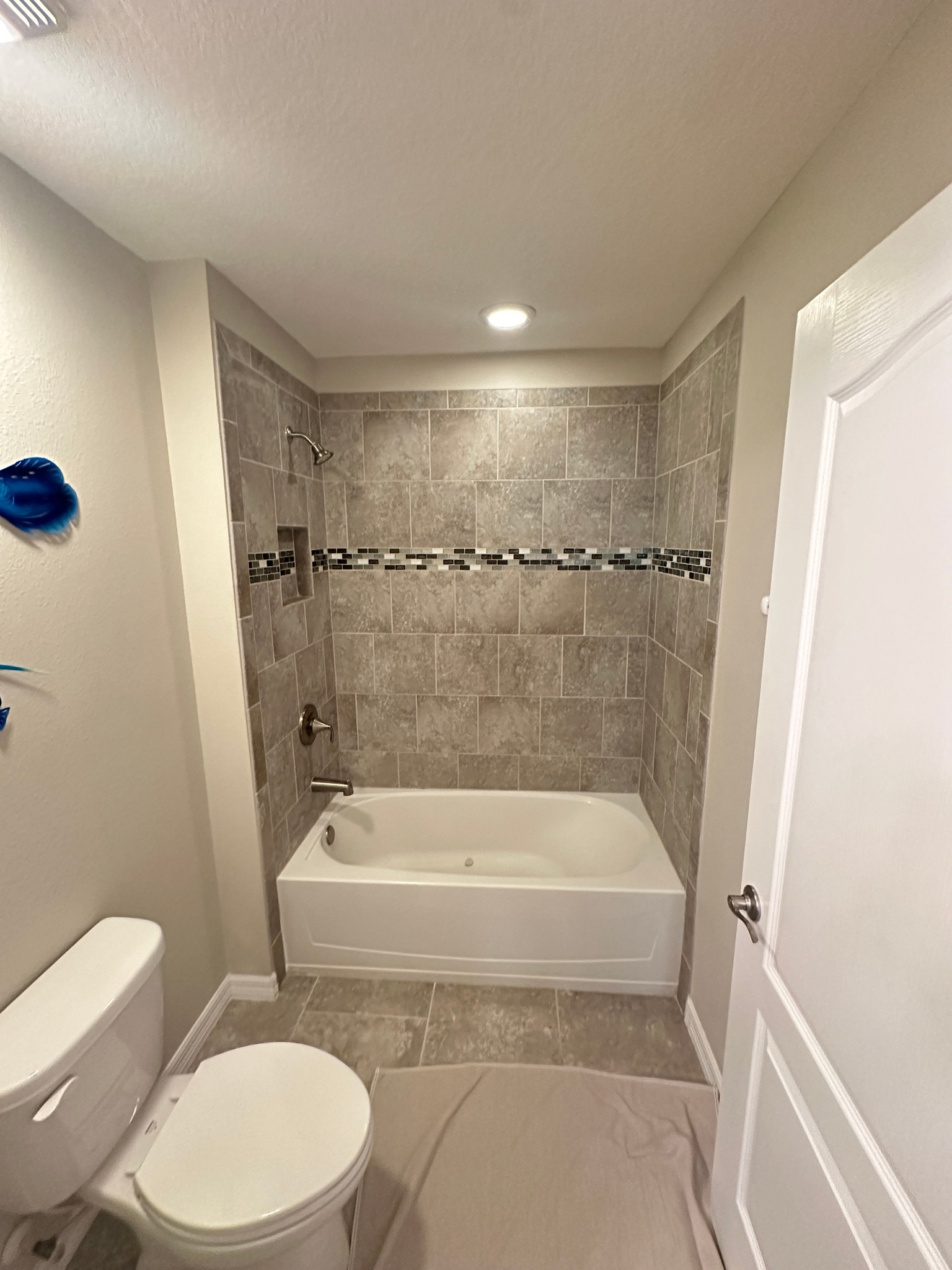
Large-format tiles with minimal grout lines
From experience, homeowners are often surprised by how much texture contributes to comfort. Even subtle variations in finish can change how a space feels.
Showers That Invite You to Slow Down
The shower is often the centerpiece of a spa-inspired bathroom. Beyond size, it’s the details that create a luxurious experience.
Shower Features That Add Depth
-
Frameless glass for openness
-
Built-in niches instead of hanging storage
-
Rain or multi-function showerheads placed thoughtfully
A personal observation: people frequently place controls too far from the entry. Stepping into a cold shower to turn it on undermines the spa effect more than any missing feature.
Bathtubs as a Design Element
Not every bathroom needs a tub, but when space allows, a well-chosen bathtub can anchor the entire design.
Tub Considerations
-
Freestanding tubs with simple silhouettes
-
Placement near natural light when possible
-
Surrounding space kept intentionally minimal
The goal is to make the tub feel like a retreat, not an obstacle.
Storage That Disappears Into the Design
Clutter is the enemy of calm. Spa-like bathrooms rely on storage that’s integrated, not obvious.
Storage Ideas That Preserve Serenity
-
Recessed medicine cabinets
-
Vanities with deep drawers instead of shelves
-
Linen storage built into walls or alcoves
An insider tip: avoid open shelving unless you’re committed to styling it consistently. Open storage often starts neat and slowly becomes visual clutter.
Color Palettes That Support Relaxation
Color plays a subtle but important role in setting a spa-like tone. The most effective palettes tend to be restrained and layered.
Calming Color Approaches
-
Soft neutrals with warm undertones
-
Natural stone-inspired hues
-
Limited contrast between surfaces
Bright or highly saturated colors can feel energizing, which is the opposite of what most people want in a spa bathroom.
Natural Elements Make a Difference
Spas often feel restorative because they connect people to natural elements. Bathrooms can do the same, even in small ways.
Easy Ways to Add Nature
-
Plants that tolerate humidity
-
Stone or wood accents
-
Maximizing natural light where possible
One thing I’ve noticed over time: even a single well-placed plant can change how a bathroom feels. It softens hard surfaces and adds life without effort.
Hardware and Fixtures That Feel Intentional
Hardware is often where homeowners experiment, but in spa-like bathrooms, consistency matters.
Fixture Choices That Work
-
Matching finishes across faucets, shower hardware, and accessories
-
Simple shapes that won’t date quickly
-
Quality materials that feel solid in hand
The tactile experience—how a handle turns or a drawer closes—quietly reinforces the sense of quality.
Planning and Execution Matter More Than Features
Even the best ideas fall flat without proper planning and execution. Spa-like bathrooms depend on details being done right, from waterproofing to layout.
Homeowners often benefit from reviewing how experienced professionals approach bathroom renovations, such as insights shared in this guide on general contractor plant city fl, which emphasizes coordination, sequencing, and long-term durability.
An insider tip: spend extra time reviewing waterproofing plans. It’s invisible when done right, but costly when overlooked.
Sound and Comfort Are Part of the Experience
Spas are quiet for a reason. Bathrooms can feel more serene when sound and temperature are considered early.
Comfort Enhancements
-
Quiet exhaust fans
-
Heated flooring in key areas
-
Solid-core doors for sound control
These aren’t visual features, but they strongly influence how relaxing the space feels.
Designing for Daily Rituals
A spa-like bathroom isn’t just for special occasions. It should support daily routines with ease.
Think about:
-
Where towels are reached from the shower
-
How mirrors are positioned for morning light
-
Whether there’s space to pause, not just pass through
When daily use feels effortless, the spa feeling becomes part of everyday life.
Wrapping It All Together
Creating a spa-like bathroom is less about luxury labels and more about thoughtful design choices. Calm materials, layered lighting, integrated storage, and attention to comfort transform ordinary bathrooms into restorative spaces.
Also read for more information so click here.