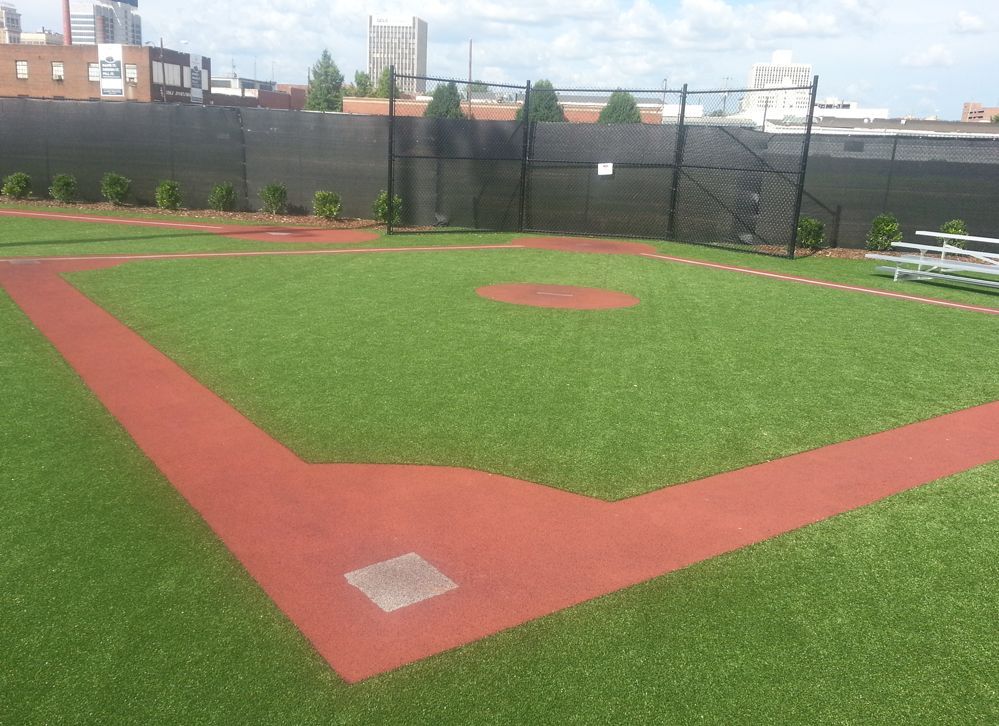
A surface that is high-performing and durable is among the most vital (and often overlooked) aspects of any field for sports. No matter whether it’s a junior baseball diamond or an elite complex The quality of the playing surface is directly affecting the safety of players, game stability drainage and the cost of maintenance over the long term.
Although turf, grass health and the layout of fields typically get the most interest, the substances under the surface really determine the performance. From the structure of the dirt mix in the field and the intelligent utilization of cobblestones within the surrounding area Each layer plays a crucial role in how the field will perform day in and day out.
Knowing what makes the quality of a playing surface can help the field’s managers and coaches and owners of facilities make better long-term choices — and not only for looks as much as for durability and playability.
Why Playing Surface Quality Matters at Every Level
An unfinished field can cause difficulties rapidly. Poorly leveled footing, puddling waters and bounces that are inconsistent as well as excessive dust, are not just nuisancesthey could cause injury and expensive repairs.
In the field of youth, safety is the primary issue. The young athletes are still learning balance and coordination, which makes sure footing is vital. Professional field conditions require higher standards. Surface consistency impacts game outcomes as well as athlete performance.
A high-performance surface delivers:
- The ball’s bounce is predicted.
- Forgiving, but firm feet
- Efficient drainage after rain
- Dust is minimal in dry conditions.
- Long-term endurance under intense usage
Each of these elements starts with the correct selection of materials.
The Foundation: What Lies Beneath the Surface
Before we get into the topic of top layers it is important to realize that a field for sports is an integrated system and not just a single piece of substance. Below the surface is various structural layers which work in conjunction.
A typical field construction involves:
- Subgrade: Native soil that has been compacted in order to help support the field
- Layer of base – Engineered Aggregate for the stability of drainage and
- Material for the surface Surface material Infield soil mix, turf or dirt
- Perimeter materials – Walkways, borders, or drainage zones
If one layer fails then the layer above is also likely to fail, regardless of how great the material on top looks.
What Defines a Quality Infield Dirt Mix
The dirt mix in the infield is among the crucial elements of softball and baseball fields. It has a direct impact on water retention, traction the ball’s response, and firmness.
The best mix isn’t just “dirt.” It is an expertly engineered mix designed to perform.
Key Components of Infield Dirt Mix
A good infield dirt mixture typically includes:
- Sand – Helps with structure and drainage
- Silt helps in securing particles
- Clay provides firmness, and helps control moisture
The equilibrium between these components affects the way that the field operates.
Sand accumulation can lead to uneven footing, and inadequate water retention.
The excess of clay causes smooth surfaces that are wet, and then hardness after drying.
The best mix is one that maintains firmness but allows for the slide to be controlled and ensuring uniform ball movement.
Performance Benefits of the Right Infield Dirt Mix
When correctly designed and erected professionally, an industrial-grade infield dirt mix can provide a number of benefits:
1. Consistent Traction
It is important for players to feel confident about their ability to keep their feet on the ground when speeding up or stopping and then shifting direction. The right mix of ingredients can provide stability without putting cleats too forcefully into the ground.
2. Predictable Ball Response
Ground balls must react in a consistent manner throughout the field. A uniform dirt mix prevents dead spots, excessive hops, or irregular bounce patterns.
3. Moisture Management
Clay particles can help keep moisture in the soil and reduce dust. Sand ensures that water doesn’t accumulate after rain. This allows fields to be back in action quicker.
4. Reduced Maintenance Issues
The proper composition of the material can prevent cracks or rutting. It also reduces washouts. This reduces the number of repair.
Youth Fields vs Professional Fields: Material Differences
Although the basic principles remain the same, expectations for performance vary between professional and junior sectors.
Youth Fields
- A little softer surface is preferred
- More tolerance to variations in moisture
- designed to provide safety at speed
A properly-designed dirt mix that is suitable for young fields usually has an increased amount of sand for better permeability and ease of maintenance.
Professional Fields
- More precise tolerances for material ratios
- Smooth, hard-playing flooring
- Compression and grading that is precise
Professional fields typically employ custom-blended, infield mix mixes that are test for size distribution as well as moisture behaviour.
The Role of Drainage in Field Performance
A playing surface is not able to perform in the absence of proper drainage.
Insufficient drainage can lead to:
- Standing water
- Soft spots
- Material displacement
- The downtime has increased
Drainage starts below the mix infield with appropriately laid bases and is continued through permeable surfaces.
Certain complexes incorporate drainage channels as well as surrounding material — such as cobblestones to divert water away from the active playing areas.
How Cobblestones Support Sports Field Design
Although cobblestones do not appear as a playing surface however, they serve a vital function in modern sporting complexes.
Cobblestones are typically used for:
- Perimeter-walkways
- The borders of drainage
- Decorative edging
- Zones of high-traffic for spectators
Their strength makes them suitable for locations that see frequent foot traffic as well as exposed to the elements.
Functional Benefits of Cobblestones
- Excellent load-bearing capacity
- The long-term resistance to shifting
- Natural water flow between joints
- Visually distinct play zones and areas that are not play zones
If properly installed properly, they to protect the structure of the field, preventing erosion as well as mud migration into adjacent areas.
Preventing Surface Contamination
One of the most difficult tasks when it comes to maintaining high-performance fields is keeping the materials in the place they should be.
In the absence of proper boundaries loose dirt particles, dirt, or even gravel could be able to move onto the field which can alter the efficiency of the soil mix.
It is at this point that hardscapes such as cobblestones are useful. They can create physical distinction between different surfaces, thus reducing the risk of pollution and the need for maintenance.
Maintenance: Preserving Performance Over Time
Even the most durable materials need regular maintenance.
Important maintenance procedures comprise:
- Drag regularly to keep grade
- Monitoring of moisture and the need for water
- Repair of spots in the high and low areas
- Topdressing on a regular basis with an infield dirt mix
Utilizing unmatched repair materials could result in performance issues. It is the reason facilities must find compatible mix-ups to ensure long-term stability.
Selecting the Best Materials From the Beginning
High-performance fields are constructed rather than improvised.
Selecting high-quality materials from reliable suppliers will guarantee:
- Consistent particle sizing
- Material that is clean, well-screened and hygienic
- Performance that is reliable over the course of time
It is not limited to the mix of dirt in the infield, however also the base aggregates, drainage materials as well as the surrounding elements like cobblestones.
If the materials chosen are strategically the cost of maintenance decreases as field accessibility increases and the player’s experience is improved.
Final Thoughts: Performance Begins Below the Surface
A good playing surface isn’t measured by its appearance when it’s first opened -It’s determined by its performance several months or years after.
From the design of the dirt mix infield through the structural support offered by cobblestones and other materials each component plays a role in play safety, endurance and playing ability.
If you’re designing a junior sport field or upgrading an professional facility investing in quality material from the beginning makes surfaces that function consistently effectively, drain well, and stand up to the rigors of heavy uses.
When it comes down to playing sports, the best does not begin at the top of the field, but it begins underneath it.