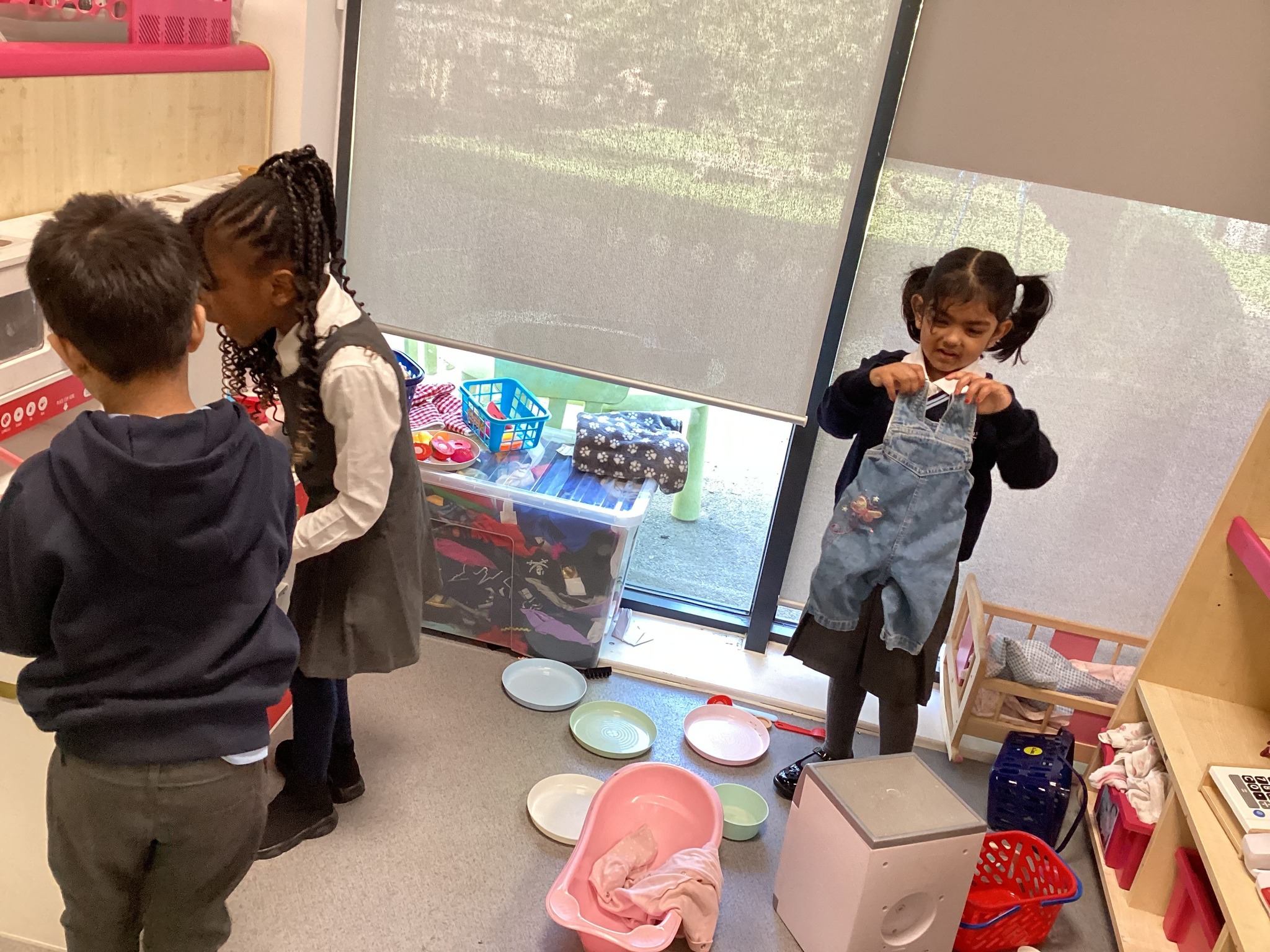
Understanding Early Years Education
Early years education focuses on the critical stage of development when children begin to explore, communicate, and understand the world around them. These formative years influence emotional growth, social skills, and cognitive ability. Educators working in early years settings play a vital role in nurturing curiosity and building confidence. Quality early years education provides children with a strong foundation that supports future academic and personal success.
Why Early Years Education Matters Today
Parents and schools increasingly recognize the importance of structured learning in early childhood. Early years education helps children develop language, problem-solving, and social interaction skills in a safe and supportive environment. Well-designed programs encourage creativity while introducing routines that help children feel secure. This balance between play and learning supports healthy development and prepares children for formal education.
The Role of Educators in Early Childhood
Early years educators are more than teachers; they are mentors, role models, and caregivers. Their ability to observe, guide, and respond to children’s needs shapes early learning experiences. Trained educators understand developmental milestones and adapt activities to support each child’s growth. Their influence during these years often shapes a child’s attitude toward learning for life.
Skills Developed Through Early Years Training
Professional training equips early years educators with the skills needed to manage classrooms, support emotional wellbeing, and design age-appropriate activities. Training also focuses on communication with parents and maintaining safe learning environments. These skills ensure educators can provide consistent, nurturing support while meeting educational expectations. Well-trained educators contribute to higher learning outcomes and positive school reputations.
Early Years Education and Career Opportunities
A background in early years education opens doors to various career paths, including nursery teaching, classroom support roles, and early learning coordination. With experience, educators can progress into leadership or specialist positions. As demand for qualified early years professionals grows, trained educators enjoy strong job stability and career growth within the education sector.
Quality Education Starts with the Right Training
High-quality early years education relies on skilled and knowledgeable educators. Training ensures consistency, professionalism, and adherence to educational standards. It also helps educators adapt to diverse learning needs and cultural backgrounds. Institutions that prioritize trained professionals create environments where children feel safe, valued, and motivated to learn.
Learning Opportunities with IQE Academy
Aspiring early years educators often turn to IQE Academy for professional training aligned with international education standards. Their programs focus on developing confident educators who understand child development and classroom practice. Through structured learning and experienced instruction, IQE Academy supports individuals looking to build meaningful careers in early years education.
Building the Future Through Early Education
Early years education shapes not only individual children but entire communities. When children receive strong early support, they are more likely to succeed academically and socially. Educators trained in early years education play a key role in this process, making their contribution invaluable. Choosing the right training is the first step toward making a lasting impact.