Visual appeal determines whether people feel excited or disappointed before tasting anything served. The brain processes appearance faster than flavor, creating expectations that affect the entire eating experience. Food looks matter because humans evolved to judge safety and quality through visuals. Attractive presentation signals care and competence that customers associate with overall business quality. Strategic styling choices influence perceived value and willingness to pay premium prices charged. Understanding visual psychology helps restaurants create dishes people actively want to order repeatedly.
Why Do Eyes Eat Before Mouths Do?
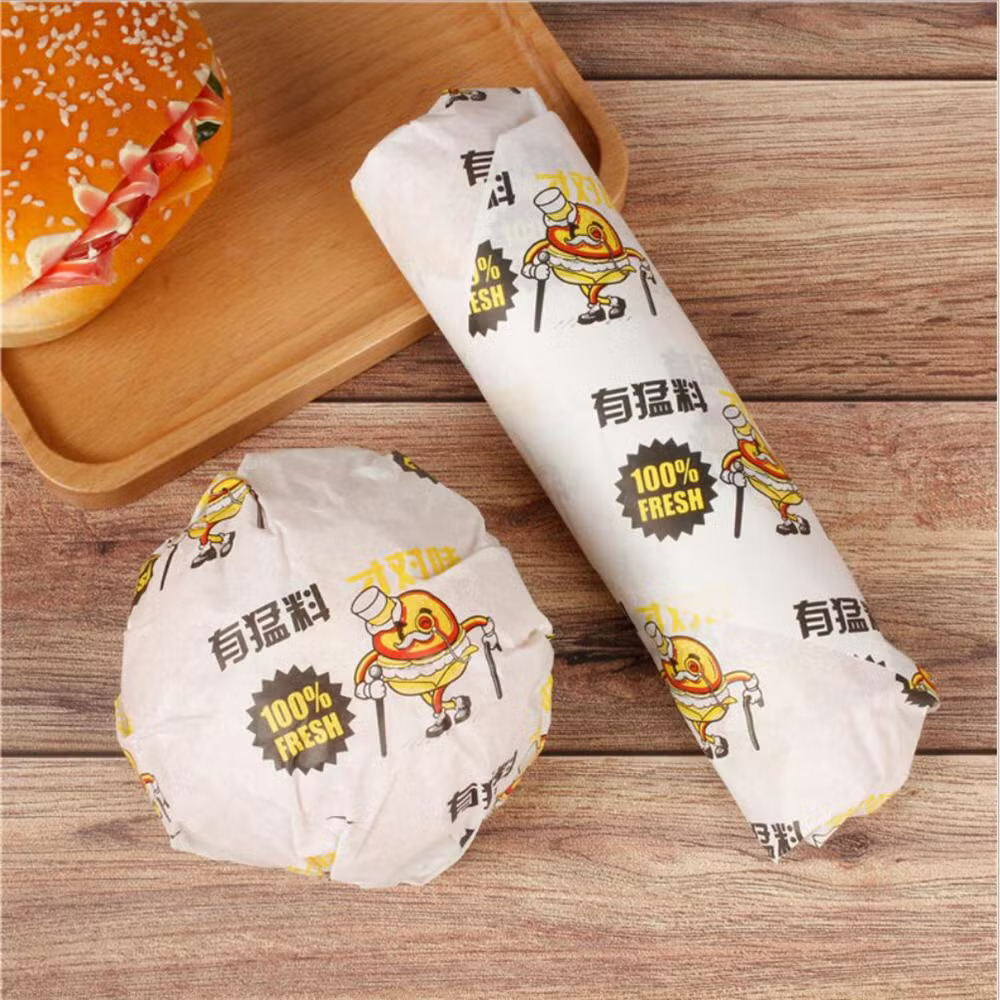
The visual cortex processes information milliseconds before taste receptors send signals to brain centers. Attractive food triggers anticipation that releases pleasure chemicals even before eating begins actually. Unappealing presentation reduces enjoyment regardless of actual flavor quality achieved during cooking preparation. Color and arrangement create expectations that subsequent taste either confirms or contradicts immediately. Using Taco Bell Wrapping Paper that maintains visual appeal protects presentation quality during brief service. The brain combines visual input with taste creating a unified experience greater than components. First visual impression sets a satisfaction baseline that affects how customers rate entire foods.
How Does Appearance Affect Perceived Freshness Always?
Vibrant colors signal recent preparation while dull tones suggest age or improper storage. Wilted garnishes undermine freshness claims regardless of actual ingredient quality used in dishes. Glossy surfaces on proteins indicate moisture and proper cooking that dried appearances contradict. Strategic presentation choices communicate freshness without requiring words or explanations from staff members. WaxPapersHub understands materials that preserve visual freshness and extend perceived quality throughout dining experiences. Appearance provides shortcut assessment of freshness that customers use to judge safety. Food looks matter because visual freshness cues trigger trust in everything served.
Can Beautiful Plating Justify Higher Menu Prices?
Elaborate presentation demonstrates skill and effort that supports premium pricing customers accept willingly. Simple plating limits perceived value regardless of ingredient costs or preparation complexity involved. Artistic arrangement signals culinary expertise that justifies paying more than basic alternatives nearby. Professional appearance creates luxury associations that allow restaurants to command better profit margins. Restaurants in the USA compete partly through presentation that differentiates similar dishes from competitors. Investment in visual appeal pays returns through higher prices customers willingly pay for. Premium presentation transforms ordinary ingredients into special-occasion dishes worth celebrating and remembering fondly.
Why Does Color Contrast Make Food More Appealing?
Monochromatic plates bore eyes while varied colors create visual interest that attracts attention. Contrasting hues make individual components distinguishable rather than blending into unappetizing masses together. Strategic color placement guides where diners should start eating for optimal flavor progression. Natural food colors trigger appetite responses while artificial dyes raise quality concerns among. Vibrant vegetables against neutral proteins create balanced compositions pleasing to observe before eating. Quality food paper products in complementary colors enhance rather than compete with food. Color psychology affects appetite and satisfaction in ways customers rarely consciously recognize happening.
How Does Instagram Culture Amplify Visual Importance?
Customers photograph attractive dishes sharing images with hundreds or thousands of followers online. Social media posts function as free advertising reaching audiences traditional marketing cannot access. Photo-worthy presentations become selection criteria where people choose restaurants based on shareability expected. Viral food images attract curious customers who want to experience dishes themselves. Strategic presentation creates word-of-mouth marketing that multiplies reach far beyond the actual dining room. Shareable appearances turn customers into voluntary brand ambassadors promoting businesses through their networks. Food looks matter more now because dining experiences get documented and shared publicly.
Can Portion Appearance Affect Satisfaction Levels Significantly?
Proper plating makes portions appear generous even when actual amounts remain modest and. Crowded plates suggest abundance while excessive empty space creates stingy impressions customers resent. Height and layering create visual volume that flat presentations cannot match regardless of. Strategic arrangement maximizes perceived value without increasing actual food costs restaurants incur during. Customers judge portions visually before eating, making presentations critical to satisfaction ratings given. Thoughtful plating balances generosity perception with profitability needs restaurants must maintain for success. Appearance management affects whether customers feel they received good value for money.
Why Does Consistency Build Visual Brand Recognition?
Signature plating styles become associated with specific restaurants creating recognizable visual identity instantly. Predictable presentation proves systems maintain standards across different shifts and staff members working. Customers develop expectations about appearance that returning visits must meet or exceed always. Variations create disappointment even when taste remains consistent because visual memory is strong. Strategic consistency transforms presentation from variable into reliable brand attribute customers count on. Food looks matter because recognizable styling builds familiarity that drives repeat business over. Visual consistency demonstrates operational excellence that customers associate with overall reliability throughout experiences.
What Visual Mistakes Drive Customers Away Permanently?
Messy presentations suggest carelessness that customers assume extends throughout entire kitchen operations happening. Dirty on plate edges distract from otherwise beautiful arrangements destroying overall impressions created. Mismatched dishes create unprofessional appearances that undermine premium positioning restaurants attempt to establish successfully. Wilted or brown garnishes signal staleness that makes customers question ingredient freshness used. Inconsistent portions between identical orders damage credibility when diners compare dishes at shared. Rushed plating during busy periods creates sloppy results customers notice and remember negatively. Understanding common errors helps restaurants avoid predictable problems that diminish food looks matter.