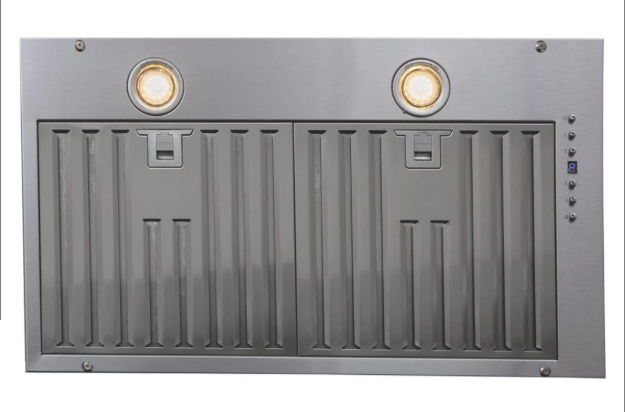
Choosing the right ventilation system is a critical step in designing a functional and comfortable kitchen. Airflow performance, cabinet configuration, and cooking habits all influence which solution will work best long term. Many homeowners explore built-in options when space and aesthetics matter, especially when upgrading existing cabinetry. Understanding how an insert hood 30-inch functions helps determine whether it aligns with your layout and daily cooking demands. This guide explains design compatibility, ventilation efficiency, and usage considerations so you can make an informed decision without relying on guesswork. It also clarifies installation limits and long-term maintenance expectations for homeowners.
Understanding What a 30-Inch Insert Hood Is
A 30-inch insert hood is a built-in ventilation unit designed to be installed inside custom or prefabricated cabinetry. Unlike wall-mounted or island models, insert hoods remain concealed, allowing the kitchen design to maintain a clean and uninterrupted appearance. These units are engineered to capture smoke, grease, and airborne particles directly above the cooking surface while blending seamlessly into the surrounding structure. Because the hood body sits within the cabinet, proper internal clearance and structural support are essential. When evaluating an insert hood 30-inch, homeowners should verify cabinet depth, interior height, and duct alignment to ensure safe and efficient installation without restricting airflow.
Kitchen Layout Considerations That Matter
Kitchen layout plays a significant role in determining whether an insert-style hood is suitable. This option works best in kitchens where cabinetry is positioned directly above a 30-inch cooktop or range. Galley kitchens, L-shaped layouts, and compact open kitchens often benefit from this configuration due to limited wall space. In layouts with deeper cabinets, an insert hood 30-inch can deliver strong capture efficiency because the enclosure helps funnel smoke toward the blower. However, in kitchens with shallow cabinets or decorative wood surrounds, improper sizing may reduce performance. Matching the hood width precisely with the cooking surface is essential to prevent heat and grease from escaping into surrounding areas.
Matching the Hood to Your Cooking Style
Cooking habits significantly affect ventilation requirements. Light cooking that involves occasional sautéing or boiling typically produces less smoke and grease, making insert hoods an efficient and visually subtle solution. Homeowners who cook daily or prepare aromatic foods benefit from higher airflow ratings and multi-speed controls. When cooking styles include frequent frying, grilling, or high-heat techniques, selecting an insert hood 30-inch with adequate cubic feet per minute capacity becomes critical. Higher-powered blowers improve air quality and reduce lingering odors, but they also require proper ducting to function effectively without increasing noise levels.
Aesthetic Benefits and Design Flexibility
One of the primary reasons homeowners choose insert hoods is design freedom. Since the hood remains hidden, it allows full customization of cabinet materials, finishes, and trim. This flexibility makes insert models ideal for transitional, modern, and minimalist kitchens. Using an insert hood also prevents visual clutter in smaller kitchens, where bulky chimney-style hoods may overwhelm the space. The result is a balanced appearance that supports both functionality and interior cohesion without compromising ventilation needs.
Installation and Long-Term Maintenance Factors
Installation should always account for electrical access, duct routing, and cabinet reinforcement. Professional installation is recommended to ensure safety compliance and optimal performance. Poor alignment or insufficient spacing can reduce efficiency and increase wear on internal components.
Conclusion
Selecting the right ventilation solution depends on how well it complements both structure and lifestyle. Insert hoods work best when cabinetry design, airflow planning, and cooking intensity are carefully evaluated together. While built-in systems provide strong aesthetic advantages, performance should always remain the deciding factor. In kitchens with layouts or cooking configurations that differ, alternatives such as island range hoods for 30-inch setups may offer better airflow coverage. This increases long-term efficiency without limiting design possibilities.