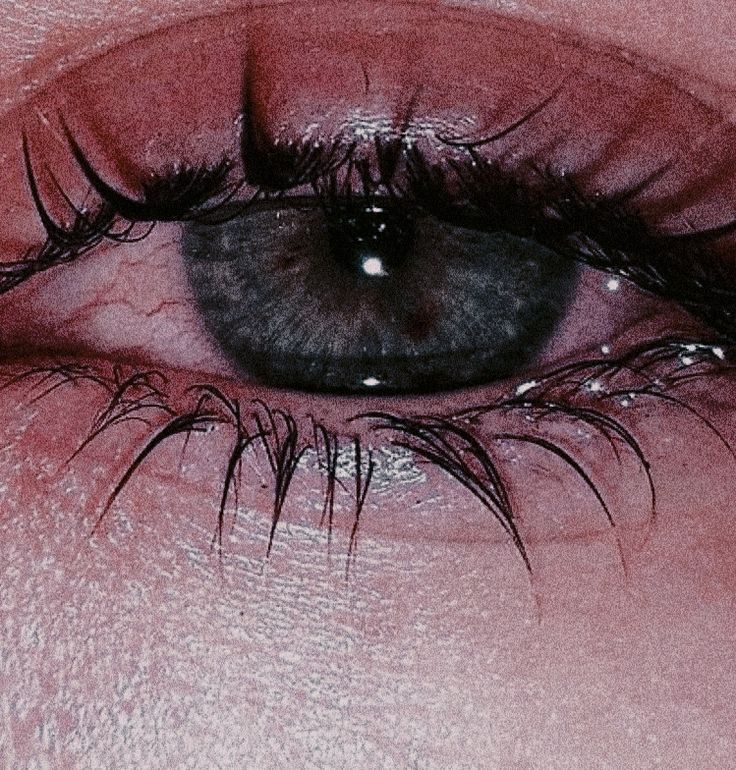
Watery eyes happen when your tear glands make more tears than needed or when the tears cannot drain properly. This blog explains the causes, symptoms, and diagnosis. It also covers simple watery eyes remedies, professional watery eyes treatment, and medical guidance on how to stop watery eyes safely.
Introduction
Watery eyes also called epiphora can affect people of all ages. While it may seem like a small issue it can be irritating and may disrupt daily activities. Understanding epiphora causes and treatment helps you manage this condition and know when you need medical support. This guide explains why watery eyes happen and what you can do to reduce the discomfort.
What Are the Common Causes of Watery Eyes?
Knowing what causes watery eyes helps you pick the right solution. Several factors can trigger excessive tearing.
- Smoke
- Dust
- Pollution
- Foreign particles
2. Eye Allergies
- Pollen
- Pet dander
- Mould
- Seasonal allergies
3. Infections
- Conjunctivitis
- Blepharitis
- Stye
4. Blocked Tear Ducts
- When your tear ducts are blocked, your tears cannot drain normally
- leading to constant watering.
5. Digital Eye Strain
- Long screen time can make your eyes dry
- which then triggers reflex tearing.
Symptoms
- Continuous tearing: Excess tears overflow from the eyes, often running down the cheeks and causing persistent discomfort.
- Redness: The eyes may appear bloodshot due to irritation, inflammation, or infection affecting the surface of the eye.
- Swelling: Puffiness around the eyelids or eye area is common, especially with allergies, blocked tear ducts, or infections.
- Burning sensation: A stinging or burning feeling may occur, often worsening with wind, smoke, dust, or extended screen time.
- Mild blurred vision: Excessive tearing can temporarily affect vision clarity, which usually improves after blinking.
- Sticky discharge (in infections): In bacterial or viral infections, a sticky or crusty discharge may form, particularly after waking up.
How Is It Diagnosed?
Diagnosing watery eyes begins with a thorough evaluation by an eye care professional to identify the underlying cause. A visual exam is usually the first step, where the doctor carefully inspects the eyes, eyelids, and surrounding areas for signs of redness, swelling, infection, or irritation. This helps rule out visible issues such as conjunctivitis, eyelid abnormalities, or foreign particles.
Next, a tear duct pressure test may be performed to check whether the tear drainage system is blocked. Gentle pressure is applied near the tear ducts to observe how tears drain, helping determine if poor drainage is causing excessive tearing.
An allergy evaluation may also be recommended, especially if symptoms worsen seasonally or are accompanied by itching and sneezing. Identifying allergens can guide targeted treatment and preventive care.
Finally, a slit lamp examination allows the doctor to closely examine the front structures of the eye under high magnification. This test helps detect dry eye issues, corneal damage, infections, or inflammation that may trigger reflex tearing. An accurate diagnosis ensures the most effective watery eyes treatment plan.
Diagnosis helps pick the right watery eyes treatment.
Effective Ways to Stop Watery Eyes
If you are wondering how to stop watery eyes, here are safe solutions that work at home or with medical care.
Home Remedies
These simple watery eyes remedies help ease irritation:
- Apply a warm compress to open blocked ducts
- Use cold compress to reduce swelling
- Rinse eyes with clean water
- Use artificial tears for dryness
- Take breaks during screen time
Medical Treatment
When home care is not enough your doctor may recommend:
- Anti-allergy eye drops
- Lubricating gels
- Antibiotics for infection
- Tear duct flushing
- Minor surgery for severe blockage
These options fall under professional watery eyes treatment.
Prevention Tips
- Avoid rubbing your eyes: Rubbing can introduce germs and worsen irritation, leading to increased tearing and discomfort.
- Keep your surroundings clean: Reduce exposure to dust, smoke, pollen, and other allergens by maintaining a clean home and workspace.
- Wear sunglasses outdoors: Sunglasses protect your eyes from wind, bright sunlight, and airborne particles that can trigger excessive tearing.
- Reduce screen time: Prolonged screen use can strain the eyes and cause dryness, leading to reflex tearing. Take regular breaks to rest your eyes.
- Maintain hygiene while using makeup or lenses: Always wash your hands before touching your eyes, remember to replace eye makeup regularly, and clean contact lenses properly to prevent infections.
- Stay hydrated: Drinking enough water helps maintain healthy tear production and supports overall eye moisture and comfort.
Conclusion
Watery eyes are common and often improve with simple care. But persistent symptoms need medical attention especially if they affect your routine. Understanding epiphora causes and treatment helps you choose the right remedy and protect your eye health. If symptoms continue do not wait to consult an eye specialist.