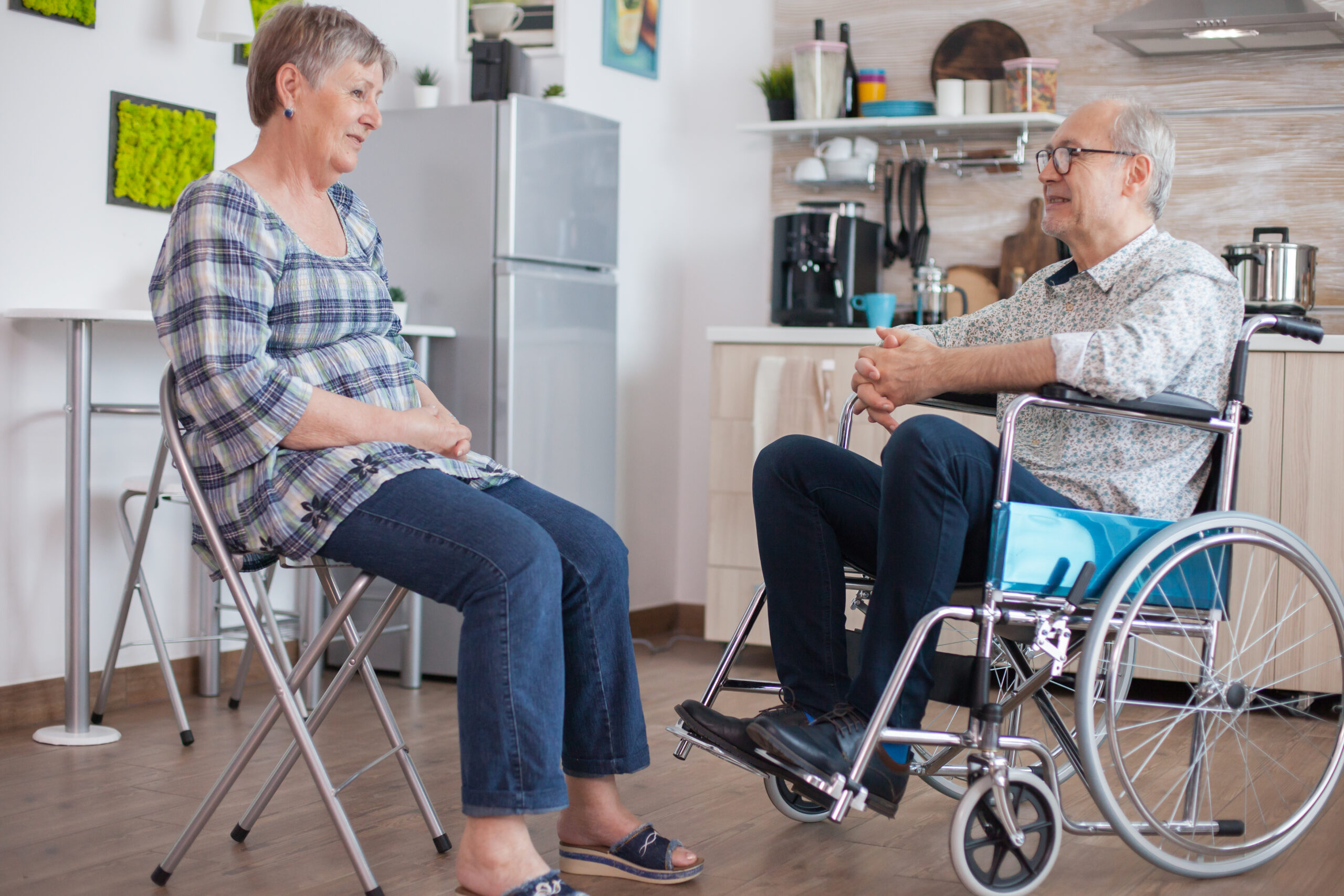
Recovery from illness, injury, or surgery involves more than physical healing. For seniors, the emotional and mental aspects of rehabilitation are equally critical to achieving full wellness and independence. A holistic approach to rehab recognizes that physical limitations often come with emotional challenges such as anxiety, depression, loss of confidence, and social isolation. Comprehensive rehabilitation services address these interconnected needs, creating an environment where seniors can heal in body, mind, and spirit.
Consider adding a line that introduces the following list, something like Following are seven ways Regency Rehab Services accomplish this complicated goal
1. Personalized Care Plans That Address Individual Needs
Every senior’s recovery journey is uniquely shaped by their medical history, personality, emotional state, and personal goals. Personalized care plans take all of these factors into account, ensuring that rehabilitation isn’t a one-size-fits-all approach. When therapists and caregivers understand a senior’s specific fears, motivations, and challenges, they can tailor interventions that feel relevant and achievable. This personalized attention helps seniors feel valued and understood, which significantly boosts emotional well-being. Knowing that their care team is invested in their individual success creates a sense of security and hope that fuels the recovery process.
2. Structured Daily Routines That Provide Stability
Uncertainty and lack of structure can heighten anxiety, particularly for seniors adjusting to physical limitations or new environments. Rehabilitation services that incorporate structured daily routines provide predictability and a sense of normalcy. Regular therapy sessions, meal times, social activities, and rest periods create a rhythm that helps seniors feel grounded. This structure reduces stress and creates mental space for focusing on recovery rather than worrying about what comes next. Over time, these consistent routines build confidence as seniors see measurable progress within a framework they can rely on.
3. Therapeutic Activities That Engage the Mind
Mental stimulation is a powerful tool for emotional wellness. Rehabilitation programs that include cognitive activities such as puzzles, memory games, music therapy, art projects, and group discussions keep the mind active and engaged. These activities provide enjoyment and purpose beyond physical exercises, giving seniors something to look forward to each day. Cognitive engagement also combats feelings of boredom and isolation that can lead to depression. When seniors participate in activities that challenge and interest them, they maintain sharper cognitive function and experience greater overall life satisfaction during recovery.
4. Social Connections That Combat Loneliness
Isolation is one of the most significant risk factors for poor mental health among seniors. Rehabilitation environments that foster social interaction provide opportunities for meaningful connections with peers who are facing similar challenges. Group therapy sessions, shared meals, recreational activities, and common spaces encourage conversation and camaraderie. These interactions remind seniors that they’re not alone in their struggles, which can be incredibly comforting. Friendships formed during rehabilitation often provide emotional support that extends beyond the recovery period, creating lasting bonds that enrich seniors’ lives.
5. Emotional Support From Trained Professionals
Physical therapists, occupational therapists, nurses, and counselors trained in geriatric care understand the emotional complexities of aging and recovery. These professionals provide more than clinical expertise; they offer empathy, encouragement, and emotional validation. When seniors express frustration, fear, or sadness, trained staff members listen without judgment and provide coping strategies. This emotional support helps seniors process difficult feelings rather than suppressing them. Having someone to talk to who genuinely cares makes an enormous difference in how seniors perceive their recovery journey and their ability to overcome obstacles.
6. Goal Setting That Builds Confidence
Setting and achieving small, realistic goals is fundamental to emotional wellness during rehabilitation. Whether it’s walking a few extra steps, completing a self-care task independently, or participating in a group activity, each accomplishment reinforces a senior’s sense of capability. Therapists who break down larger recovery objectives into manageable milestones help seniors experience frequent wins. These successes counter feelings of helplessness and prove that progress is possible. The confidence gained from meeting goals creates positive momentum that motivates continued effort and fosters a more optimistic outlook on recovery.
7. Family Involvement That Strengthens Emotional Bonds
Family members play a vital role in a senior’s emotional wellness. Rehabilitation services that actively involve families in the care process help maintain important emotional connections. Regular updates, family therapy sessions, and opportunities for loved ones to participate in activities keep seniors connected to their support network. Knowing that family members are engaged and supportive reduces feelings of abandonment and provides emotional reassurance. These connections remind seniors why recovery matters and give them something meaningful to work toward—returning to the people and activities they love.
At Regency Senior Living, we understand that true recovery encompasses physical, mental, and emotional wellness. Our comprehensive rehabilitation services are designed to support every aspect of your healing journey in a compassionate, nurturing environment. Learn more about how we can help you or your loved one thrive at Regency Senior Living.