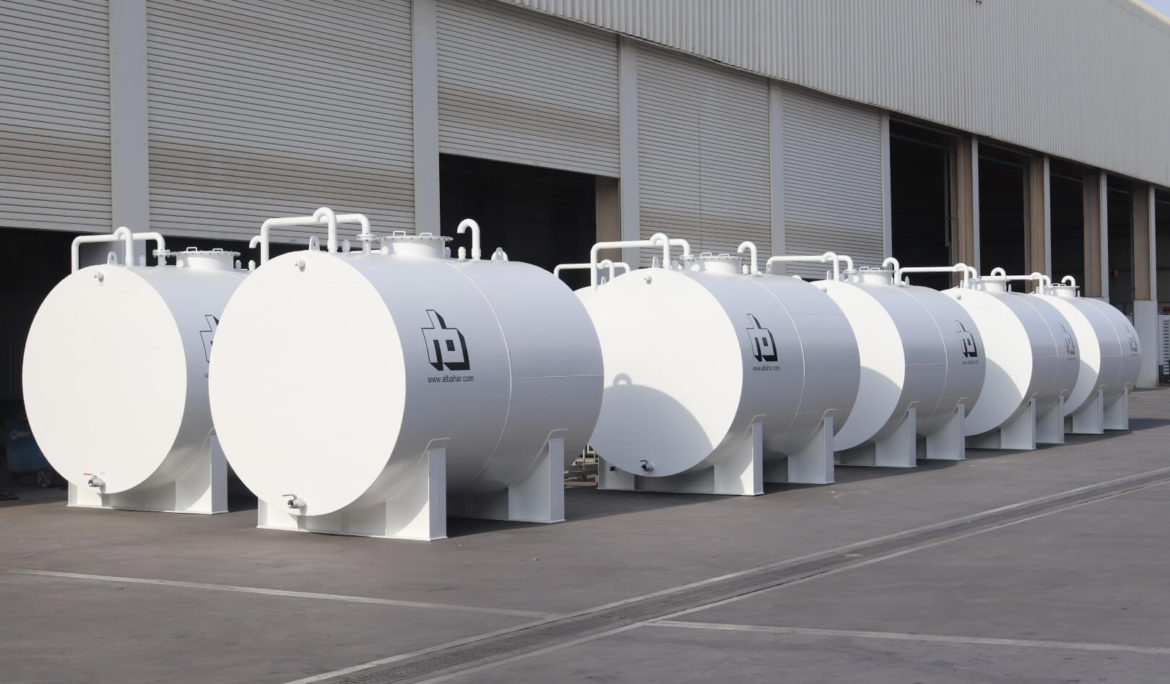
Introduction to Fuel Storage Tanks Above Ground
We recognise fuel storage tanks above ground as a critical infrastructure component across industries such as oil & gas, power generation, manufacturing, mining, construction, aviation, and commercial facilities. Above ground fuel storage tanks are engineered to store diesel, petrol, kerosene, biofuels, and other combustible liquids safely, efficiently, and in full compliance with international regulations.
By placing tanks above ground level, we ensure easy inspection, simplified maintenance, rapid leak detection, and enhanced operational control, making them the preferred solution for both industrial and commercial fuel storage requirements.
What Are Above Ground Fuel Storage Tanks
Above ground fuel storage tanks (ASTs) are containers designed to store fuel at atmospheric pressure while being installed fully or partially above the surface. These tanks are manufactured using carbon steel, stainless steel, or advanced composite materials, depending on the application, capacity, and environmental conditions.
They are widely used for on-site fuel storage, emergency backup systems, bulk fuel distribution, and remote site operations, offering flexibility, scalability, and long-term durability.
Key Advantages of Fuel Storage Tanks Above Ground
Enhanced Safety and Visibility
We prioritise safety, and above ground tanks offer immediate visibility for leaks, corrosion, or structural damage. This significantly reduces environmental risks and ensures compliance with safety audits.
Ease of Installation and Relocation
Above ground fuel tanks require minimal excavation, allowing faster installation and lower civil costs. They can also be relocated when operational needs change.
Lower Maintenance Costs
Routine inspections, cleaning, and repairs are simpler compared to underground tanks, resulting in lower lifetime maintenance expenses.
Regulatory Compliance
ASTs are designed to comply with EPA, NFPA, UL, API, and local fire safety standards, making regulatory approvals more straightforward.
Types of Fuel Storage Tanks Above Ground
Single-Wall Fuel Storage Tanks
Single-wall tanks consist of one steel shell and are typically used in low-risk environments with secondary containment systems such as bunds or dikes.
Double-Wall Fuel Storage Tanks
Double-wall tanks provide an extra layer of protection with an inner and outer shell. This design significantly reduces the risk of leaks and is widely used in environmentally sensitive areas.
Horizontal Above Ground Fuel Tanks
Horizontal tanks are ideal for space-constrained locations and mobile fuel storage applications. They offer excellent stability and are commonly used for generator fuel supply.
Vertical Above Ground Fuel Tanks
Vertical tanks are preferred for large-capacity fuel storage, optimising footprint efficiency while maximising storage volume.
Materials Used in Above Ground Fuel Storage Tanks
Carbon Steel Tanks
Carbon steel is the most widely used material due to its strength, durability, and cost-effectiveness. These tanks are suitable for diesel and heavy fuel oils.
Stainless Steel Tanks
Stainless steel tanks offer superior corrosion resistance, making them ideal for harsh environments, marine applications, and long-term fuel storage.
FRP and Composite Tanks
Fibre-reinforced plastic (FRP) tanks provide excellent chemical resistance and are increasingly used for specialised fuel storage needs.
Design Standards and Engineering Considerations
We design above ground fuel storage tanks in accordance with internationally recognised standards, including:
- API 650 for welded steel tanks
- UL 142 for above ground flammable liquid tanks
- NFPA 30 for flammable and combustible liquids
- EN 12285 for European tank standards
Key design considerations include capacity requirements, fuel type, operating temperature, seismic conditions, wind loads, and corrosion protection.
Safety Features Integrated in Above Ground Fuel Tanks
Secondary Containment Systems
Bund walls, spill pallets, and containment basins prevent environmental contamination in case of leaks.
Overfill Protection Systems
Automatic shut-off valves, alarms, and level indicators protect against overfilling.
Ventilation and Pressure Relief
Emergency vents and pressure relief valves maintain safe operating conditions and prevent structural damage.
Fire Protection Measures
Fire-resistant coatings, flame arrestors, and compliance with fire separation distances ensure enhanced fire safety.
Applications of Fuel Storage Tanks Above Ground
Industrial and Manufacturing Facilities
ASTs support continuous operations by ensuring a reliable fuel supply for boilers, furnaces, and backup generators.
Power Generation and Data Centres
Above ground diesel tanks are essential for emergency power systems, ensuring uninterrupted operations during outages.
Construction and Mining Sites
Portable above ground tanks provide on-site fuel availability in remote and rugged locations.
Aviation and Transportation
Fuel storage tanks support refuelling operations for aircraft, fleet vehicles, and logistics hubs.
Environmental Compliance and Spill Prevention
We emphasise environmental responsibility by integrating leak detection systems, corrosion protection, and spill containment solutions. Above ground tanks simplify compliance with environmental monitoring requirements and enable rapid corrective action.
Regular inspections, cathodic protection, and protective coatings extend tank life while minimising environmental impact.
Installation Best Practices for Above Ground Fuel Storage Tanks
Proper installation is crucial for long-term performance. Best practices include:
- Preparing a stable concrete foundation
- Ensuring proper grounding and bonding
- Maintaining safe separation distances
- Installing approved piping and valves
- Conducting hydrostatic and integrity testing
Maintenance and Inspection of Fuel Storage Tanks Above Ground
Routine maintenance ensures operational safety and longevity. We recommend:
- Visual inspections for corrosion or deformation
- Periodic thickness testing
- Cleaning and sludge removal
- Valve and fitting checks
- Compliance audits and documentation
Proactive maintenance reduces downtime and prevents costly failures.
Choosing the Right Above Ground Fuel Storage Tank
Selecting the correct tank involves evaluating capacity, fuel type, site conditions, regulatory requirements, and future expansion needs. Custom-engineered solutions offer optimised performance and long-term reliability.
Conclusion
Fuel storage tanks above ground provide a safe, efficient, and regulation-compliant solution for modern fuel storage needs. Their versatility, ease of maintenance, and robust safety features make them indispensable across industries. By investing in high-quality above ground fuel storage tanks, we ensure operational continuity, environmental protection, and long-term cost efficiency.