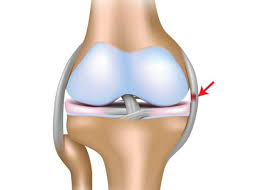
A PCL avulsion is a serious knee injury that occurs when the posterior cruciate ligament (PCL) is forcibly detached from its attachment point on the tibia, often taking a fragment of bone with it. While less common than anterior cruciate ligament (ACL) injuries, PCL avulsions can significantly impact knee stability and function if left untreated.
Understanding the PCL and Its Role
The PCL is one of the two main ligaments inside the knee joint, connecting the femur (thigh bone) to the tibia (shin bone). Its primary function is to prevent the tibia from sliding backward relative to the femur, providing crucial stability during activities such as walking, running, and jumping. Unlike the ACL, which is more prone to sprains and tears, the PCL is very strong and typically only injured under high-impact trauma.
Causes of PCL Avulsion
PCL avulsion usually results from traumatic events rather than everyday activities. Common causes include:
-
Motor vehicle accidents, especially dashboard injuries where the knee strikes the dashboard forcefully.
-
Sports injuries, particularly in football, soccer, or skiing, where a sudden force drives the tibia backward.
-
Falls that place direct pressure on a bent knee.
In children and adolescents, the injury often occurs because the ligament is stronger than the bone, causing the bone to fracture instead of the ligament tearing.
Symptoms of PCL Avulsion
The symptoms of a PCL avulsion may vary depending on the severity but generally include:
-
Pain at the back of the knee, especially when bearing weight.
-
Swelling and bruising within a few hours of injury.
-
Instability or a feeling of the knee “giving out.”
-
Difficulty walking or running, particularly on uneven surfaces.
-
Limited range of motion, often with stiffness after trauma.
Unlike ACL injuries, PCL avulsions may sometimes be less obvious, leading to delayed diagnosis if the patient does not experience severe instability.
Diagnosis
Accurate diagnosis is essential to prevent long-term complications such as chronic knee instability or early-onset arthritis. The diagnostic process includes:
-
Physical Examination: The orthopedic specialist checks for posterior sag, posterior drawer sign, and joint laxity.
-
Imaging Studies:
-
X-rays can detect bone fragments pulled off with the ligament.
-
MRI is the gold standard to assess ligament integrity and associated soft tissue injuries.
-
-
CT Scan: Occasionally used to evaluate complex fractures or small bone fragments in detail.
Treatment Options
The management of PCL avulsion depends on the size of the bone fragment, degree of displacement, and knee stability.
Non-Surgical Treatment
Small, non-displaced fragments may be treated conservatively through:
-
Immobilization in a brace or cast for 4–6 weeks.
-
Physical therapy to restore range of motion and strengthen quadriceps muscles.
-
Activity modification to prevent further stress on the knee.
Surgical Treatment
Surgery is often required for displaced bone fragments or unstable knees. Procedures may include:
-
Open reduction and internal fixation (ORIF) to reattach the bone fragment using screws, pins, or sutures.
-
Arthroscopic repair, a minimally invasive approach, may be suitable for certain cases.
Post-surgery rehabilitation focuses on:
-
Gradual weight-bearing.
-
Range-of-motion exercises.
-
Muscle strengthening and proprioception training to restore knee function.
Recovery and Prognosis
With timely diagnosis and appropriate treatment, most patients regain full knee function within 3–6 months. Athletes may take longer to return to high-impact sports, but with proper rehabilitation, outcomes are generally excellent.
Delayed or untreated PCL avulsion can lead to:
-
Chronic knee instability.
-
Early-onset osteoarthritis.
-
Persistent pain and limited mobility.
Prevention
While not all PCL injuries are preventable, measures to reduce risk include:
-
Using proper protective gear during contact sports.
-
Strengthening quadriceps and hamstring muscles to stabilize the knee.
-
Practicing safe techniques in sports and exercise.
Conclusion
A PCL avulsion is a significant knee injury that requires prompt attention. Early diagnosis, careful imaging, and appropriate treatment—whether conservative or surgical—are crucial for restoring knee stability and preventing long-term complications. With the right rehabilitation program, most patients can return to their normal activities and sports with confidence.